Polyurethane Expanding Foam has become a popular choice for various applications in construction and home improvement. This versatile material offers great insulation properties and excellent adhesion. However, achieving the best results with polyurethane foam requires some knowledge and technique. Many users face challenges, such as improper application methods or inadequate surface preparation.
When using polyurethane expanding foam, understanding its characteristics is key. For instance, it expands upon application, filling gaps efficiently but can lead to over-expansion if not handled properly. Users often overlook the importance of safety. Wearing appropriate protective gear can prevent skin irritation and other hazards. Misjudgments can lead to unnecessary mess and frustration.
There is a learning curve to mastering polyurethane expanding foam. Mistakes occur, and the results may not always be perfect. It is essential to experiment and learn from each application. Properly preparing your surface, selecting the right type of foam, and adopting the right technique are crucial steps for optimizing performance. Embracing these challenges leads to better outcomes in future projects.
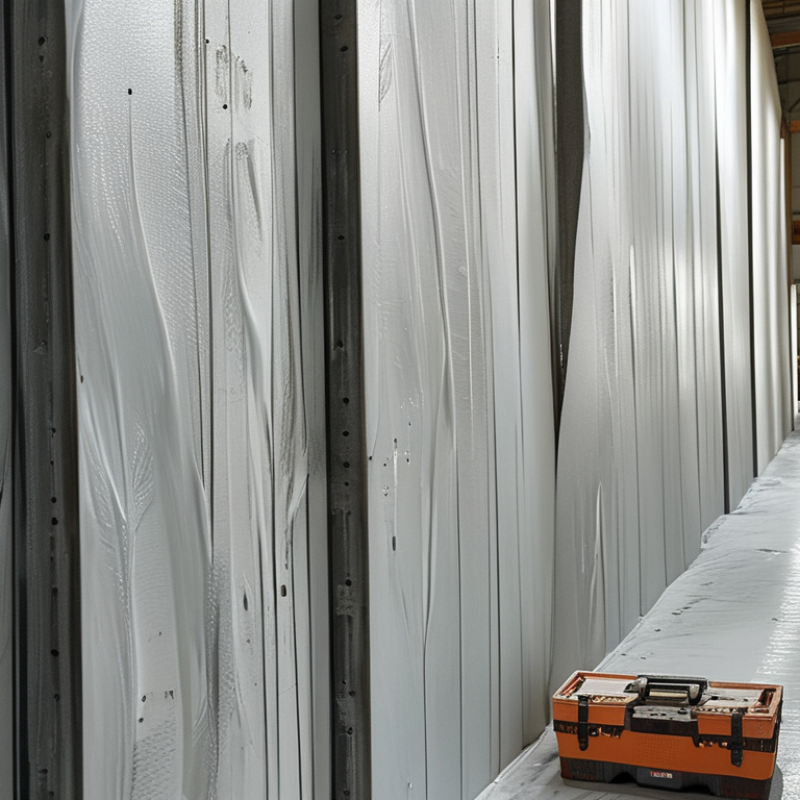
Understanding Polyurethane Expanding Foam and Its Applications
Polyurethane expanding foam is a versatile material. It is commonly used for insulation and sealing gaps. This foam expands upon application, filling voids efficiently. According to industry reports, it can reduce energy costs by up to 30% when properly applied. The foam adheres well to various surfaces like wood, metal, and concrete, making it ideal for different projects.
When using polyurethane foam, understanding the application process is crucial. Ensure the surface is clean and dry for optimal adhesion. A controlled environment can enhance curing times, which vary between products. Some users report that humidity affects foam performance, leading to inconsistent results. Always consider the specific conditions of your project to achieve the best outcome.
Preparation is key for a successful application. Wearing protective gear, like gloves and goggles, prevents skin irritation and eye contact. Apply the foam in layers, as excessive application can lead to overflow and waste. Cautious use leads to better results. Documenting your process can help identify areas for improvement in future projects.
2026 How to Use Polyurethane Expanding Foam for Best Results?
| Application Area |
Recommended Type |
Curing Time |
Best Practices |
| Insulating Walls |
Closed-cell foam |
24 hours |
Ensure surfaces are clean and dry |
| Sealing Cracks |
Low-expansion foam |
1 hour |
Overfill slightly for a good seal |
| Roof Repairs |
High-density foam |
24-48 hours |
Apply in layers to avoid sagging |
| Piping Insulation |
Flexible foam |
2-3 hours |
Avoid contact with UV light |
| Carpentry Fill |
Crack fill foam |
3-5 hours |
Trim excess after curing |
Essential Safety Precautions When Using Polyurethane Foam
Polyurethane expanding foam is a versatile material, but safety remains a top priority during its use. According to the U.S. Environmental Protection Agency, inhalation of certain foam propellants can lead to respiratory issues. It's critical to work in a well-ventilated area to minimize this risk. Wearing a proper mask, gloves, and goggles is essential to protect your skin and eyes from irritation. Despite these precautions, some users might overlook the importance of personal safety equipment. Skipping these simple steps can lead to serious consequences.
In addition to personal safety, ensuring proper handling of the foam is vital. The material can adhere to surfaces and clothing, making cleanup challenging. Based on industry data, approximately 20% of accidents happen due to improper storage or handling methods. Store cans of foam upright, away from direct sunlight, and extreme temperatures. Read the labels carefully; despite some products appearing similar, formulations can vastly differ, impacting safety. Users often report regretting hasty applications. Each project may require specific techniques or environmental considerations that should not be discarded for convenience.
Environmental concerns also arise with polyurethane foam. The production and application can release volatile organic compounds (VOCs) into the atmosphere. Research shows that improper disposal can contribute to pollution. Ensure that any waste is handled correctly. This attention to detail can significantly reduce your overall environmental impact. Always reflect on your approach. Making informed choices can lead to better outcomes, both personally and ecologically.
Usage of Polyurethane Expanding Foam: Effectiveness Vs. Safety Precautions
Step-by-Step Guide to Applying Polyurethane Expanding Foam
When using polyurethane expanding foam, preparation is key. A clean, dry surface enhances adhesion, ensuring long-lasting results. Studies indicate that proper surface preparation can improve bond strength by 25%. Before application, ensure the temperature is between 60°F and 100°F for optimal foam expansion. Wear gloves and safety glasses to protect against skin irritations and eye damage.
In a step-by-step approach, start by shaking the canister vigorously for at least 30 seconds. Then, attach the nozzle and aim for the gap or cavity. Remember, the foam expands to about 30 times its original size. This can lead to overfilling, which may cause a messy cleanup later. Drying time typically ranges from 1 to 2 hours, allowing for dimensional stability.
Post-application, use a utility knife to trim excess foam, wearing a mask to avoid inhaling dust. Industry reports suggest that properly cured foam can significantly increase energy efficiency in buildings. Despite the advantages, users should reflect on their application techniques regularly. Imperfections in the fill can create air pockets that compromise insulation. Continuous assessment can lead to better techniques and improved outcomes.
Tips for Achieving a Smooth Finish with Expanding Foam
Achieving a smooth finish with polyurethane expanding foam can be challenging. One key factor is applying the foam evenly. Hold the can at a consistent angle. This helps prevent uneven application and excessive buildup in some areas. A thicker layer can lead to a rough texture that is difficult to smooth out later.
Timing is crucial. Allow the foam to set partially before attempting to shape it. If you cut or sand it too soon, it may not hold its shape. Consider using a utility knife for cutting cured foam. This method offers precision but requires careful attention to avoid tearing.
Sanding the foam after it hardens can enhance its smoothness. Use fine-grit sandpaper for best results. This technique can create a more polished look. If imperfections arise, don't hesitate to fill them with additional foam. It’s a learning process. Each application may reveal new areas for improvement.
Common Mistakes to Avoid When Using Polyurethane Foam
Polyurethane expanding foam is a versatile material widely used in construction and insulation. However, many users make common mistakes that can lead to unsatisfactory results. One prevalent error is not wearing adequate protective gear. This foam can adhere to skin and clothing, causing irritation. Always use gloves and goggles for safety.
Another critical mistake is improper application techniques. Users often apply foam inconsistently, leading to gaps and poor insulation. According to industry reports, up to 30% of foam installations suffer from significant leaks due to application errors. When using polyurethane foam, ensure that you shake the canister well before applying. This helps mix the components evenly, enhancing its effectiveness.
Temperature can also impact foam performance. The ideal application temperature ranges from 60°F to 100°F. Foam applied in colder temperatures may not expand properly or cure effectively.
Pay attention to the cure time as well. Rushing the process can lead to poorly sealed joints, increasing energy costs in the long run. Allow the foam to cure fully before trimming or painting.
Proper storage of the product is essential too. Storing foam in extreme temperatures can degrade its effectiveness. It is advisable to keep the foam in a cool, dry place.
Practicing these techniques can improve your use of polyurethane foam significantly. Being aware of these mistakes will lead to more successful and lasting applications.
FAQS
: It is commonly used for insulation and sealing gaps effectively.
Humidity can affect foam performance, leading to inconsistent results.
A clean and dry surface ensures optimal adhesion for better outcomes.
Always wear gloves, goggles, and a mask to protect against irritation.
Apply the foam in layers to prevent overflow and unnecessary waste.
The foam can adhere to surfaces and clothing, making cleanup challenging.
Apply the foam evenly and sand it after it hardens using fine-grit paper.
It can release VOCs and improper disposal can contribute to pollution.
Allow the foam to set partially before shaping for best results.
Document the process to identify areas for improvement in future projects.
Conclusion
Polyurethane Expanding Foam is a versatile material widely used for insulation and sealing in various construction and DIY projects. Understanding its properties and applications is crucial for achieving optimal results. Before using the foam, essential safety precautions must be taken, including wearing protective gear and ensuring proper ventilation in the working area.
The effective application of Polyurethane Expanding Foam involves following a step-by-step guide, which emphasizes preparation, precise application techniques, and patience. To achieve a smooth finish, one should use tools like a spreader and manageable amounts of foam to prevent overspilling. Additionally, being aware of common mistakes, such as applying too much foam at once or neglecting surface preparation, can help improve the overall outcome of your project. By following these guidelines, users can maximize the benefits of Polyurethane Expanding Foam in their home improvement endeavors.

 Jinfang