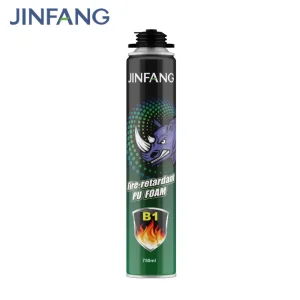
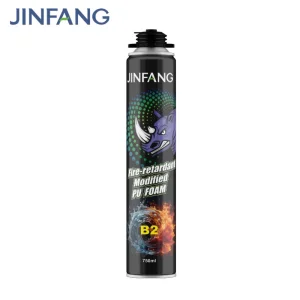
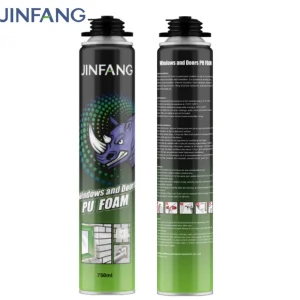
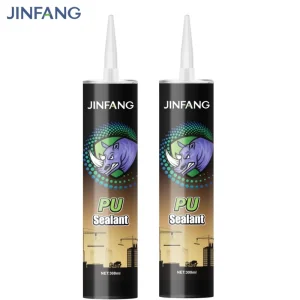
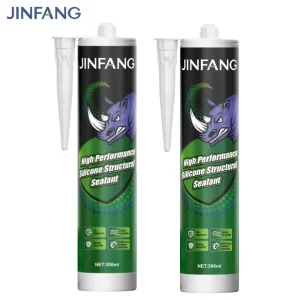
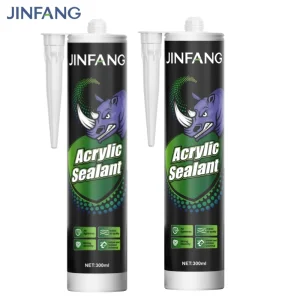
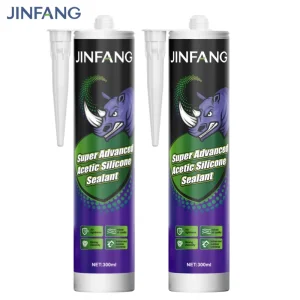
In modern industrial manufacturing and civil engineering, Polyurethane (PU) Foam has transitioned from a basic insulating filler to a highly engineered structural component. Valued globally for its thermal resistance, acoustic dampening, structural stability, and ease of application, the PU foam industry is undergoing rapid technical evolution.
The global polyurethane foam market is driven by strict energy-efficiency mandates, green building regulations (such as LEED, BREEAM, and the EU's Energy Performance of Buildings Directive), and NVH (Noise, Vibration, and Harshness) reduction targets in the automotive industry. Regionally, the market is expanding as construction firms seek materials with superior structural integrity and high flame retardancy. Single-component aerosol PU foams (OCF) are the standard for perimeter sealing around windows and doors, while heavy-duty elastomeric formulations provide critical vibration mitigation in advanced infrastructure projects.
As chemical regulatory frameworks like REACH and EPA VOC regulations tighten globally, leading suppliers are redesigning their chemical systems. This shift focuses on transitioning from traditional fluorocarbons to hydrofluoroolefins (HFOs) and eco-friendly hydrocarbons, and replacing hazardous catalysts with bio-compatible options. For large-scale procurement agencies and industrial users, choosing a manufacturer requires evaluating both supply capacity and regulatory compliance, technical customization, and consistent quality management systems.
A comparison of standard polyurethane formulations versus next-generation modified silane and fire-rated variants. Data represents standard laboratory testing conditions (23°C, 50% RH).
| Foam Chemistry Type | Density (kg/m³) | Thermal Conductivity (W/m·K) | Fire Classification (DIN 4102) | Tensile Strength (kPa) |
|---|---|---|---|---|
| Standard OCF Polyurethane | 18 - 25 | ≤ 0.035 | Class B3 (Flammable) | ≥ 80 |
| Modified Fire-Retardant System | 22 - 30 | ≤ 0.032 | Class B2 (Flame Retardant) | ≥ 110 |
| High-Density Rigid Formulation | 35 - 45 | ≤ 0.028 | Class B1 (Self-Extinguishing) | ≥ 150 |
| Bio-Based Eco Polyurethane | 20 - 26 | ≤ 0.034 | Class B2 | ≥ 95 |
Located in Shandong Province, a major industrial hub in China, Shandong Jinfang Adhesive Industry Co., Ltd. is a manufacturer specializing in the research, development, and production of high-performance adhesive and sealant products.
Supported by our R&D infrastructure, we maintain close research partnerships with leading Chinese universities, including Shandong University, Xiamen University, and Linyi University. These academic collaborations help us recruit top-tier chemical engineers and researchers, driving our efforts to develop next-generation adhesive solutions.
Our integrated manufacturing system encompasses precise raw material formulation, fully automated adhesive production, precision injection molding, and intelligent packaging. Supported by advanced equipment and process controls, this system ensures consistent product quality. The company has obtained a series of enterprise and product certifications, including ISO 9001, ISO 14001, and the EU IROS / RoHS. We are committed to achieving green and sustainable high-quality development.

Our formulations are engineered to meet the performance and durability requirements of demanding commercial applications.
In construction, we provide durable solutions for structural glazing, window and door installation, joint sealing, and interior finishing, ensuring long-term weatherproofing, thermal insulation, and structural integrity. Our Class B1 and B2 fire-retardant foams isolate thermal pathways and prevent smoke bypass in high-rise building envelopes.
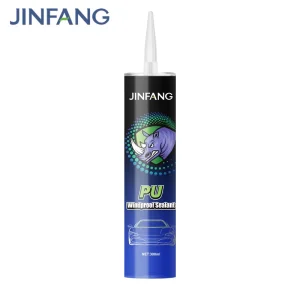
In the automotive sector, our specialized polyurethane sealants and adhesives contribute to vehicle safety and ride comfort through effective vibration damping, elastic component bonding, structural cavity filling, and water/air sealing. They withstand thermal cycles and chemical exposures common to engine bays.
We customize parameters such as chemical formulation, cure speed, density, expansion ratio, and color to suit varying project specifications. We support diverse packaging options including sausages, rigid tubes, bulk pails, and custom-labeled formats to optimize application efficiency.
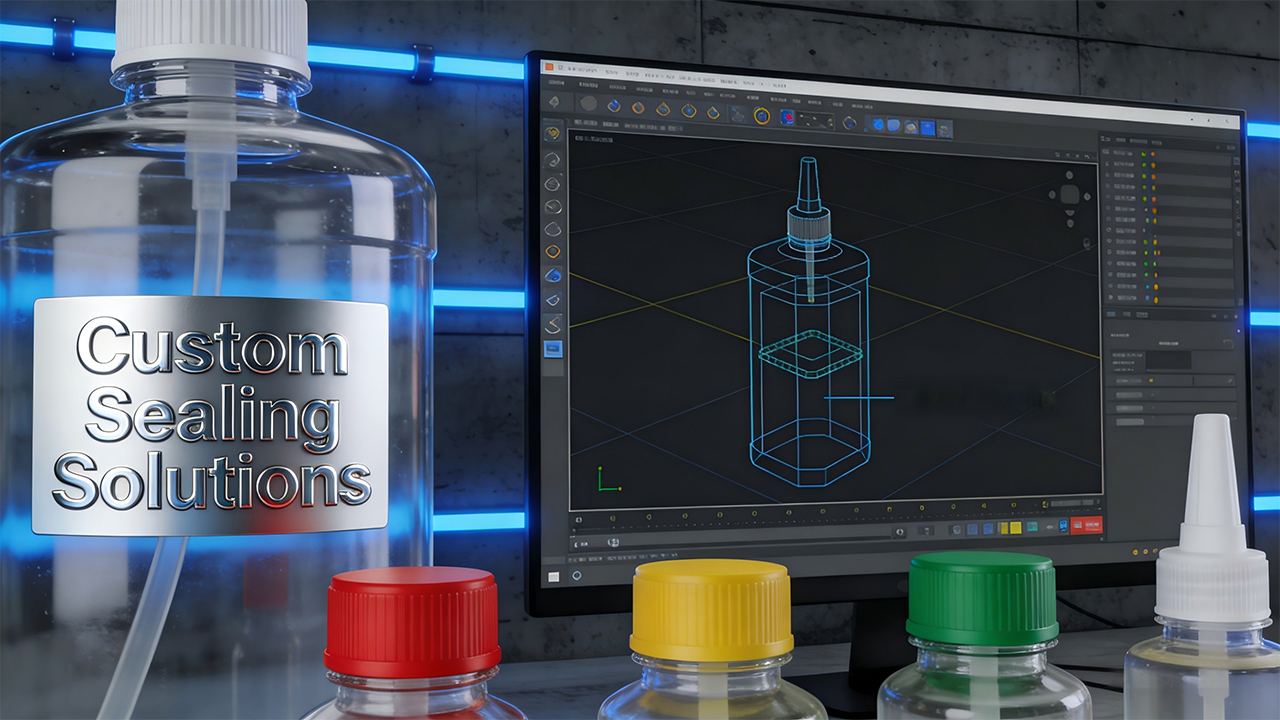
Our production plant features high-volume continuous output capabilities that maintain product homogeneity across different batches. Through computerized raw material feeding, active gas charging controls, and precision inline viscosity testing, we ensure that every can of PU foam and cartridge of sealant meets target specifications.
By adjusting ratios of MDI, polyols, catalysts, and blowing agents, our R&D department modifies curing kinetics to suit cold-climate winter conditions or high-humidity tropical climates, preventing shrinkage or foam cell collapse.
We offer advanced packaging solutions, utilizing high-barrier plastic or aluminum tubes to maximize product shelf life. With offset and screen printing, we help global distributors establish clear, professional brand positioning on their retail shelving.
Innovation is key to our development. Together with our university partners, we focus on developing solutions that balance high performance with lower environmental impact.
To reduce dependency on fossil fuels, our research explores incorporating renewable polyols derived from natural fats (such as castor and soybean oils) into our polyurethane pre-polymer chains. This reduces carbon footprints without compromising cell structure or insulation performance.
Occupational safety regulations drive the demand for eco-friendly sealants. We are developing next-generation Isocyanate-Free PU Foams (NIPU). These systems eliminate health concerns associated with free monomeric MDI while maintaining excellent adhesion and rapid curing times.
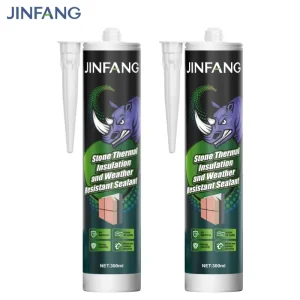
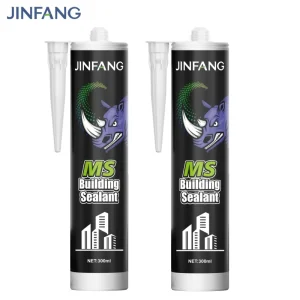
Combining the high elastic recovery of silicones with the paintability and physical strength of polyurethanes, our growing range of MS Polymers provides weatherproofing solutions for prefabricated construction joints and high-movement building facades.
Different markets present distinct environmental conditions and regulatory frameworks. We adapt our supply formats to match local requirements.
Focus: Thermal Efficiency & Low VOCs
European projects demand strict compliance with EN 13501-1 fire classifications and low-emissions standards (EC1 Plus). Our products are formulated to minimize volatile emissions, ensuring safety and performance in modern insulated residential spaces.
Focus: High-Density High-Speed Construction
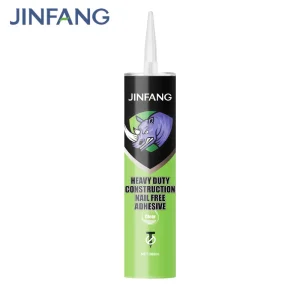
With rapid urbanization across Asian countries, contractors prioritize fast-curing OCFs and strong nail-free structural adhesives. Our products are formulated for high initial tack, supporting fast-track installation cycles on concrete substrates.
Focus: High Humidity & UV Resilience
In tropical areas, sealants face intense UV exposure and relative humidity. Our formulas incorporate advanced UV stabilizers and anti-fungal additives, preventing yellowing, cracking, and biological degradation in exposed exterior joints.
Expert answers addressing chemistry, application practices, and raw material selections for professional buyers.
 Jinfang