Engineered for high-performance architectural glazing, heavy-duty industrial seals, and strict environmental compliance.

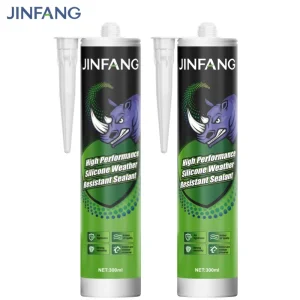
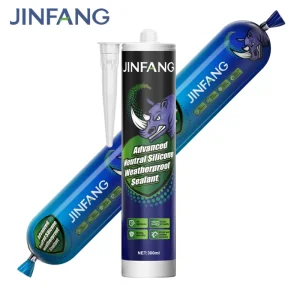
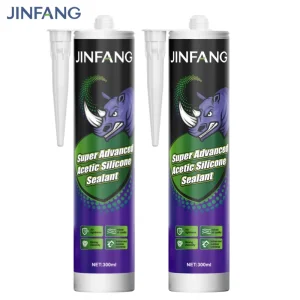
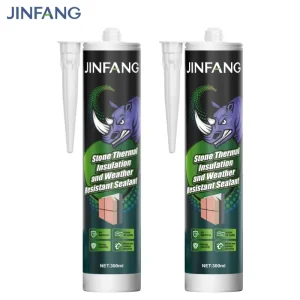
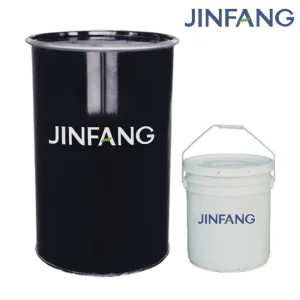
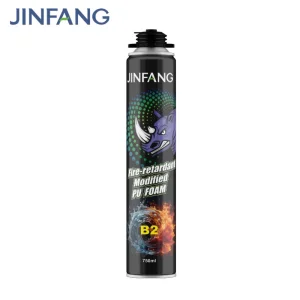
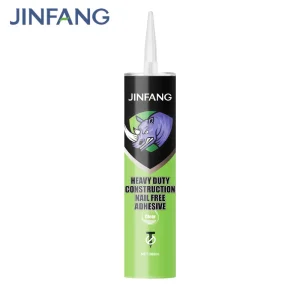
Silicone sealants represent one of the most critical structural and weatherproofing materials in contemporary engineering. From high-rise structural glazing to high-speed automotive assembly, these inorganic polymers offer unmatched resistance against environmental degradation, extreme temperatures, and mechanical stress.
As urbanization accelerates and green building standards grow more stringent globally, manufacturing plants must innovate beyond simple adhesive formulations. The global demand is shifting toward low-VOC, high-movement capability, and chemically stable solutions that guarantee structural integrity over decades. Shandong Jinfang Adhesive Industry Co., Ltd. leads this frontier, developing high-purity organosilicon compounds that address these macroeconomic pressures.
"Modern architectural designs require materials that accommodate thermal expansion while ensuring an airtight seal against environmental elements. A premium silicone sealant factory is no longer just a mixing plant; it is a center of polymer engineering."

Providing advanced chemical properties to withstand the most demanding physical, mechanical, and environmental stresses.
Formulated with a highly stable siloxane (Si-O-Si) backbone, our sealants retain elasticity and mechanical properties across temperatures ranging from -50°C up to +150°C. They resist thermal cycling, ensuring reliable seals in both sub-zero polar zones and scorching desert environments.
Unlike organic sealants (such as polyurethane or acrylics), our silicone formulations are inherently resistant to ultraviolet radiation. They will not crack, chalk, shrink, or dry out when exposed to sunlight, heavy rainfall, or ozone exposure.
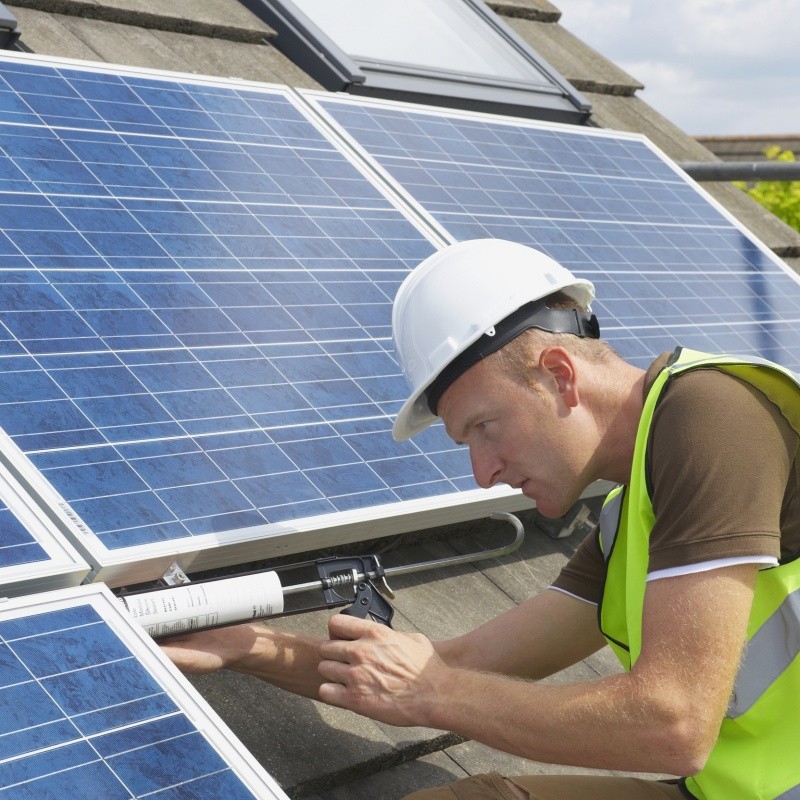
Our neutral-cure products chemically bond to a wide range of building substrates, including glass, anodized aluminum, stainless steel, structural steel, concrete, granite, coated wood, and various engineered plastics without the need for a primer.
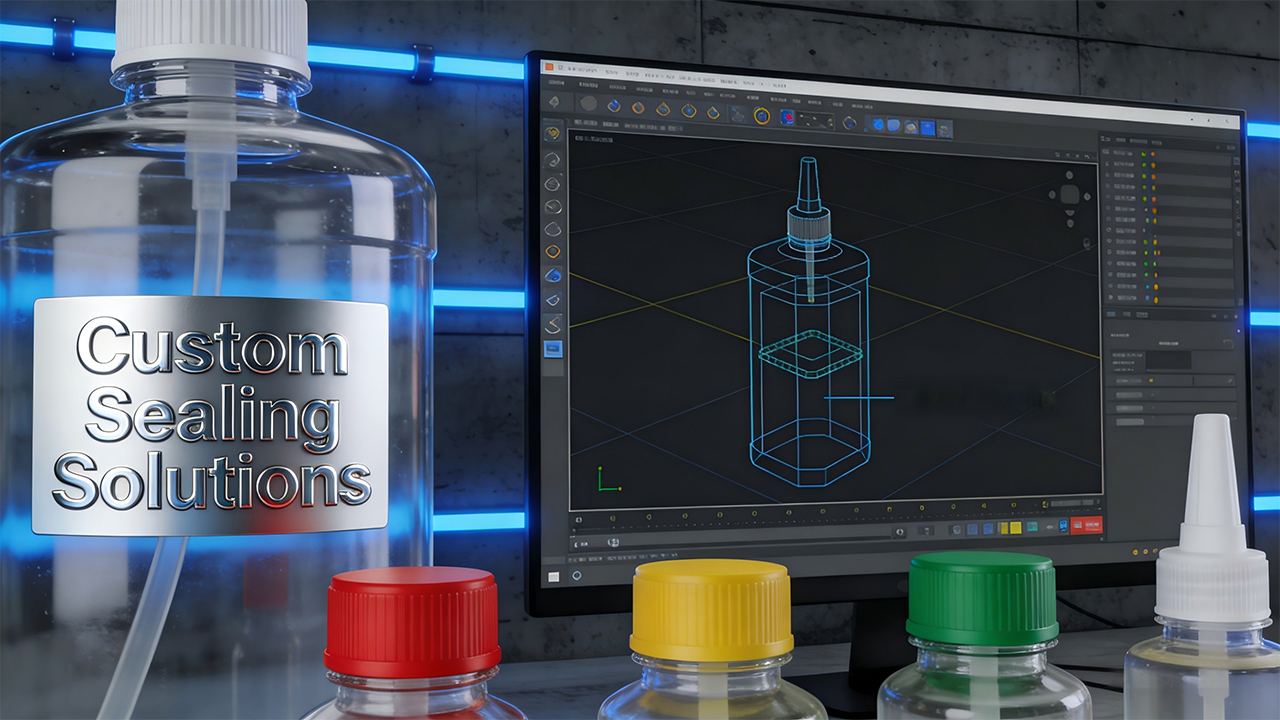
Understanding the unique demands of global industrial projects, we offer full-suite OEM, private label, and custom manufacturing. We adapt packaging, polymer formulations, and curing profiles to align with your project requirements.
Shandong Jinfang Adhesive Industry Co., Ltd. combines advanced chemical engineering with university backing to drive sealants innovation.
Delivering high-performance polymer products across critical global sectors.
Modern commercial high-rises utilize unitized glass curtain walls that depend entirely on structural silicone sealant to transfer dynamic wind loads to the building's structural frame. Our structural sealants provide high tensile strength and elongation at break, supporting decades of safety and wind resistance. For external expansion joints, our neutral-cure weatherproof sealants provide high movement capability (up to ±50%) to absorb seismic and thermal movements.
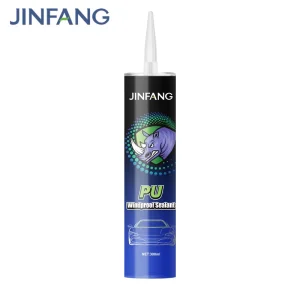
In the automotive industry, vehicle structural safety, acoustic damping, and water sealing are enhanced by specialized polyurethane and silicone sealants. Used for direct glazing of windshields, sealing structural body seams, and dampening engine cabin vibration, our automotive-grade sealants help manufacturers achieve higher vehicle safety ratings and long-term durability against road salt, oil, and moisture ingress.

Future-proofing adhesive technology through sustainable green chemistry, automation, and modified polymers.
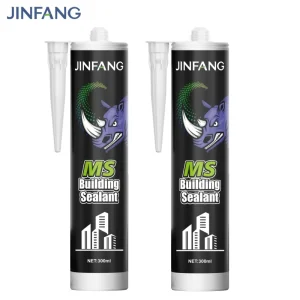
Hybrid sealants combining the best traits of polyurethane (paintability, high mechanical strength) and silicone (excellent UV stability, non-staining properties) are fast replacing traditional formulations. Our MS Building Sealants are completely free of isocyanates and solvents, satisfying stringent green building criteria worldwide.
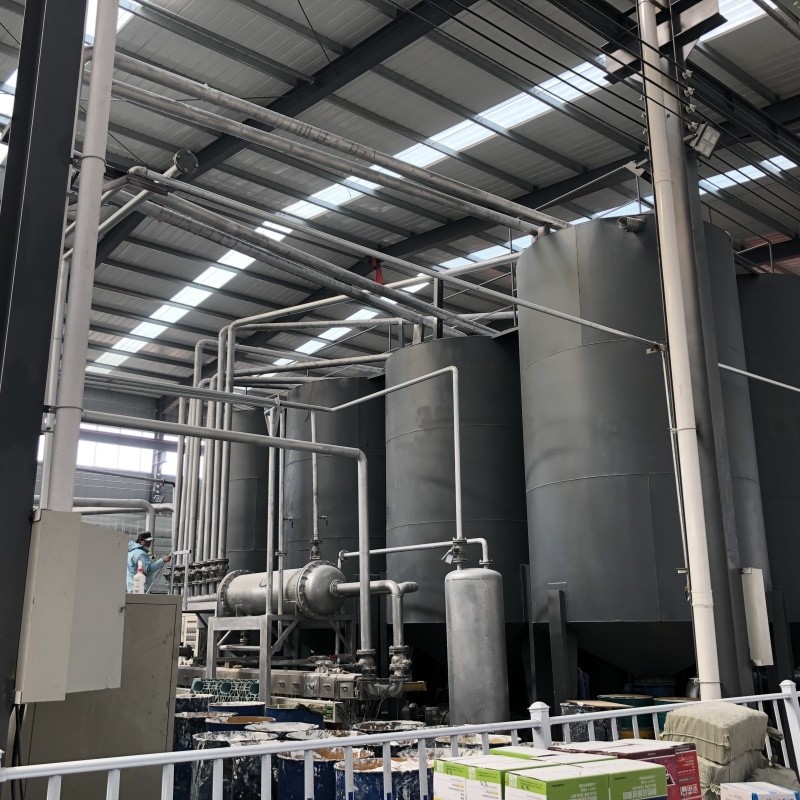
By optimizing our manufacturing facility in Shandong with energy-efficient processing units and closed-loop recycling, we significantly reduce the carbon footprint per ton of output. We are progressively sourcing bio-based plasticizers and eco-friendly raw materials to comply with global net-zero regulations.
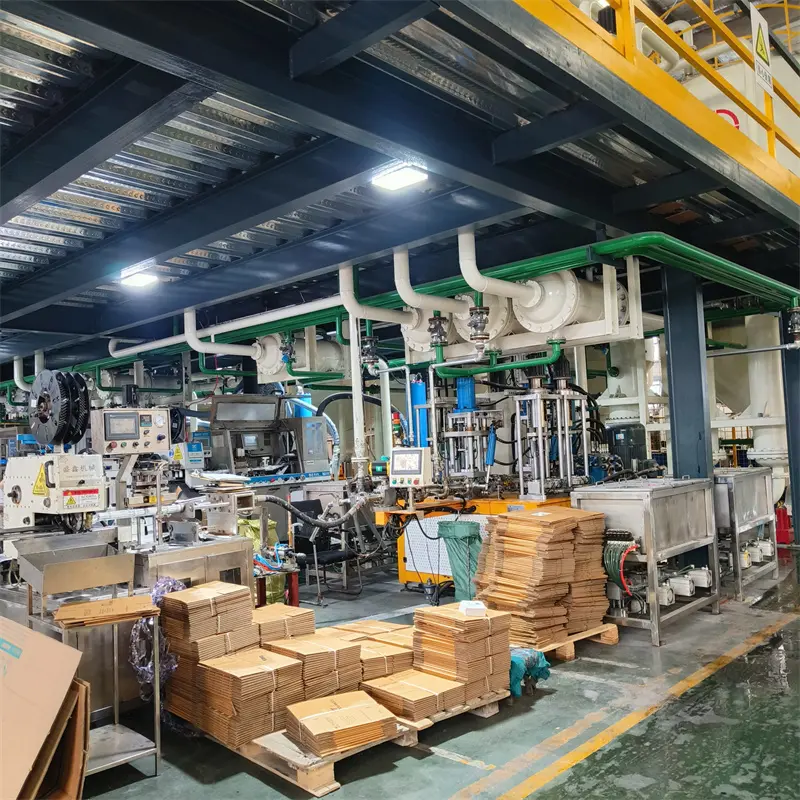
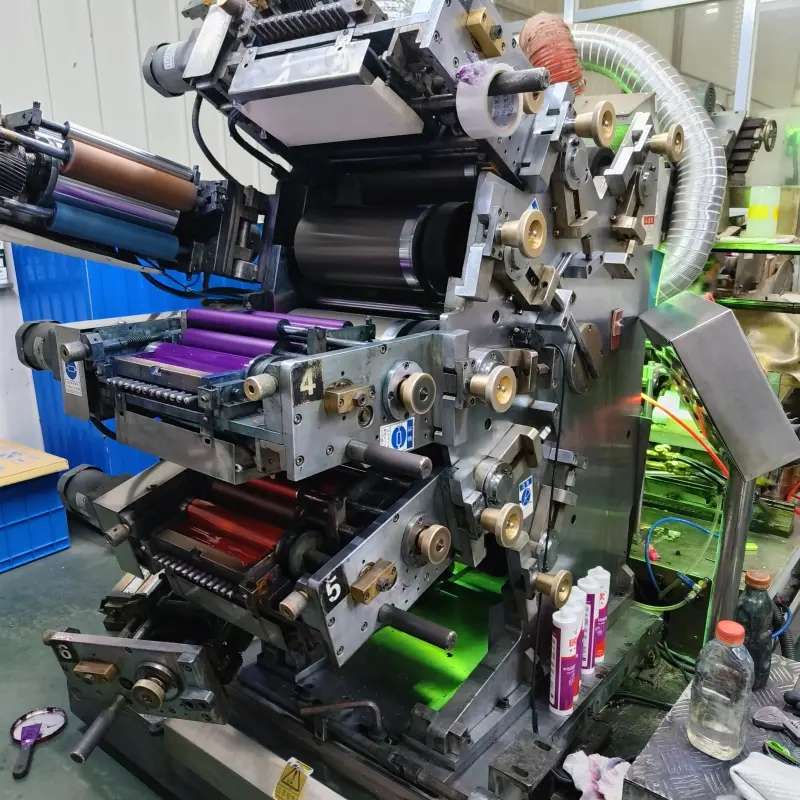
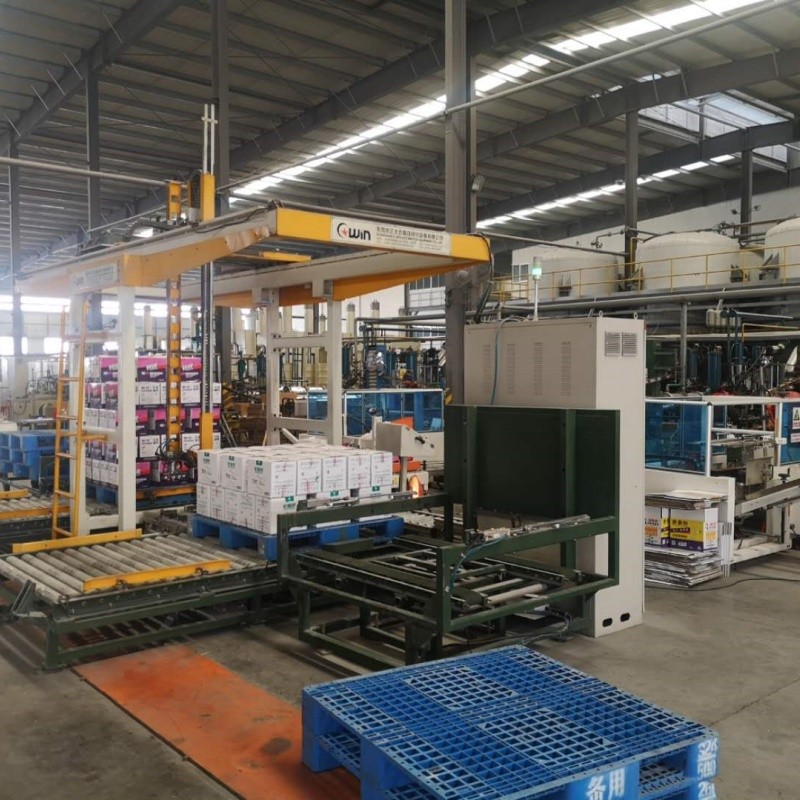
To reduce defect rates to zero, our factory has integrated automated continuous mixing processes with inline spectrophotometers and rheology monitors. This ensures that every cartridge of structural sealant produced possesses identical cure rates, color consistency, and tensile properties.
Get professional insights on structural stability, chemical curing, and supply chain logistics.
Acetic cure silicone sealants release acetic acid (which smells like vinegar) during the curing process. They cure relatively quickly and adhere exceptionally well to non-porous surfaces like glass and glazed ceramics. However, they can corrode sensitive metals (like copper, brass, and zinc) and react negatively with alkaline masonry materials like concrete, marble, or plaster.
Neutral cure silicone sealants release an alcohol or oxime byproduct during curing. They are non-corrosive and offer exceptional adhesion to virtually all substrates, including concrete, stone, metals, and plastics, making them the preferred choice for general exterior weatherproofing, metal roof joints, and structural glazing applications.
Modified Silane (MS) sealants offer a hybrid technology that bridges the gap between polyurethane (PU) and traditional silicones. Unlike PU, MS polymers possess excellent UV resistance and weatherability without yellowing. Unlike silicone, they can be painted over with water-based coatings and do not leach silicone oils onto natural stone substrates, preventing aesthetic staining. Furthermore, they are solvent-free, highly eco-friendly, and show minimal shrinkage.
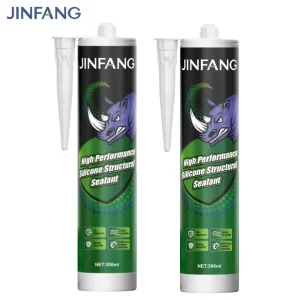
Structural sealants act as structural elements, holding glass panels to a building’s frame. They must meet international standards such as ASTM C1184, ETAG 002, and GB 16776. Key mechanical requirements include high tensile strength, high tear resistance, and a dynamic movement capability of at least ±25% to ±50%. They must also demonstrate high durability against continuous UV exposure, humidity, and thermal cycles.
We implement a strict multi-tier quality control protocol. First, raw materials (silicone polymers, plasticizers, fumed silica, and crosslinkers) are checked for moisture content and purity. Second, our fully automated continuous twin-screw compounding extruders eliminate human error during mixing. Finally, every production batch is tested for viscosity, skin-over time, cure rate, tensile properties, and shore hardness before packaging.
Not all silicone sealants are designed for continuous submersion. Standard formulations can degrade or lose adhesion when permanently wet. For swimming pools, aquariums, or marine sealing, specialized high-modulus, high-tack formulations with optimized crosslinker densities are required. Always consult our engineering team to select the appropriate grade for submerged environments.
Unopened silicone sealant cartridges generally have a shelf life of 9 to 12 months from the date of manufacture when stored in cool, dry conditions below 27°C (80°F). Storing the product in high-temperature or high-humidity environments will accelerate the curing chemistry inside the tube, reducing shelf life and causing the product to lump or fail to extrude.
Thanks to our automated packaging lines, high production capacity, and streamlined supply chain, our typical manufacturing lead time is approximately 15 business days from order confirmation and design approval to shipment. Bulk shipments are managed through our local ports in Qingdao, providing fast, cost-efficient transit globally.
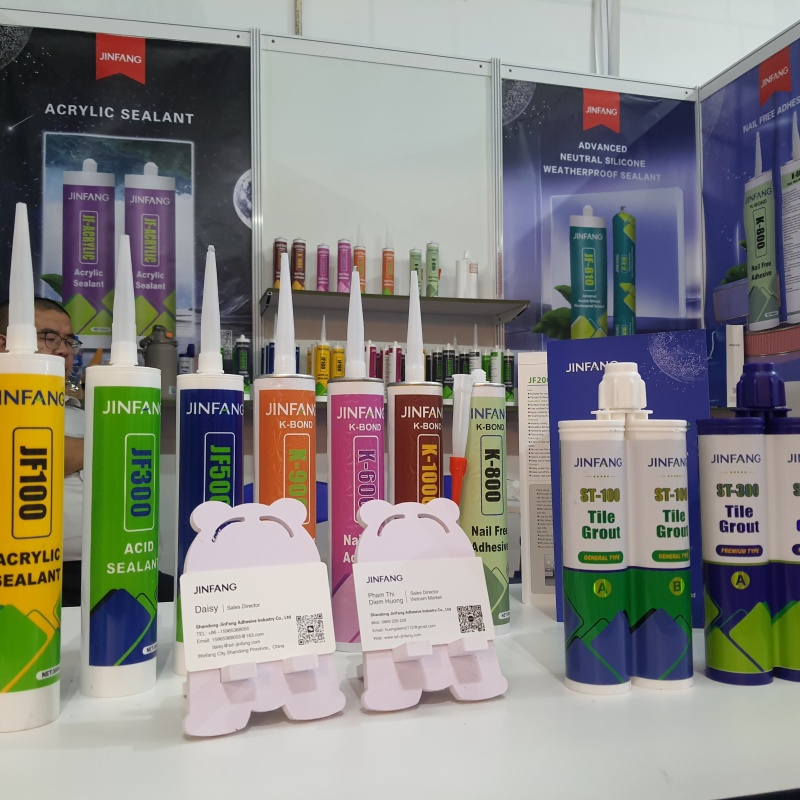
Explore our complete range of high-performance polymer products manufactured to international engineering standards.
 Jinfang