What Is Vinyl Tile Grout and Is It Waterproof?

Time:2026-09-15 Author:Liam
0%

Vinyl Tile Grout often creates confusion. Is it real grout, flexible filler, or simply a design detail? The answer matters when water reaches tile joints, edges, or the subfloor beneath them.

Brett Miller, a flooring technical expert and educator, has often stressed this principle: “Moisture protection depends on the complete flooring system, not one product.” That idea fits Vinyl Tile Grout perfectly. Grout may reduce visible gaps and support a more tile-like appearance. However, it does not automatically make a floor waterproof. Product construction, adhesive coverage, seam treatment, wall transitions, and subfloor condition all influence performance.

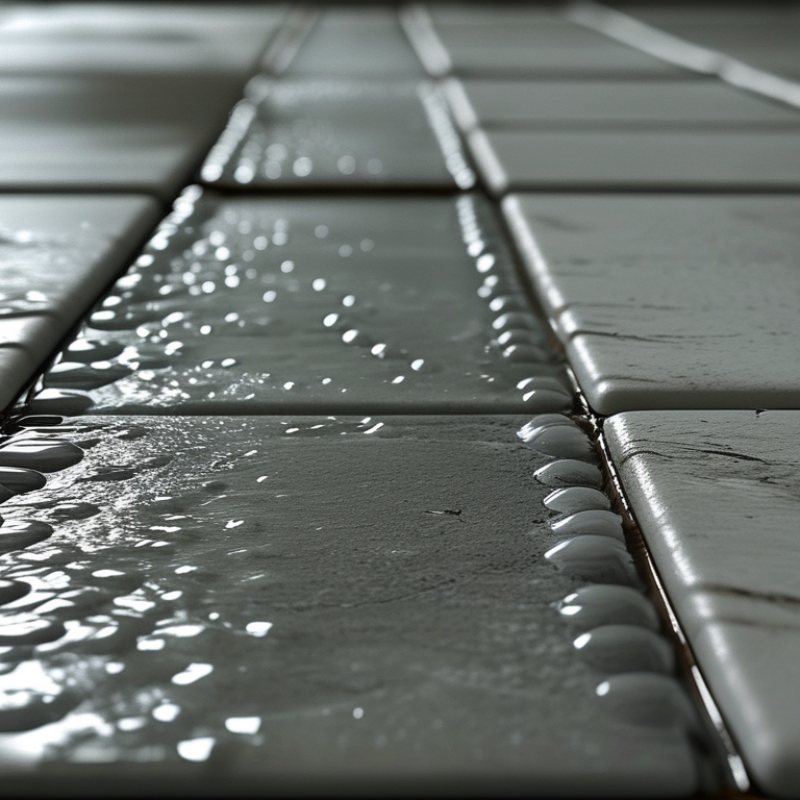
Picture a bathroom floor after a long shower. Water beads across the surface, then collects beside a toilet or under a loose edge. If the grout line cracks, moisture may travel below the tile. A sealed surface can still hide a vulnerable installation.

The honest answer is less convenient. Some Vinyl Tile Grout products are water-resistant. Some systems are designed for wet areas. Few should be treated as completely waterproof without manufacturer approval. I have seen how one small installation shortcut can become a swollen edge or stained joint. That detail is easy to overlook.

This guide explains what Vinyl Tile Grout is, how it works, and where its limits appear. It also examines cleaning, sealing, installation conditions, and realistic waterproofing expectations. The product label matters. So does the installer’s judgment. There is no universal shortcut.
What Is Vinyl Tile Grout and Is It Waterproof?

What Is Vinyl Tile Grout?

Vinyl tile grout refers to the material or joint design used between certain vinyl tiles. It is not the same as traditional cement grout. Most vinyl tiles are installed tightly together, without open joints. However, some products include recessed edges for a grouted appearance. Others use flexible grout made for resilient flooring.

The term is not always used consistently. That can confuse homeowners. In practice, the joint must remain slightly flexible as the floor expands and contracts. Rigid grout may crack, crumble, or separate from the tile. Installers usually check the subfloor first, because uneven areas can create visible gaps. They also remove dust before applying any joint material. Small details matter here. A clean, dry surface improves adhesion. Still, perfect results are not guaranteed when temperature or moisture changes sharply.

Is vinyl tile grout waterproof? Usually, no. Vinyl itself resists surface water, but the seams can allow moisture below the flooring. Water may also enter around walls, doorways, drains, or damaged edges. A bathroom floor needs sealed transitions and carefully treated perimeter joints. Even then, “waterproof” should not be assumed without checking the product’s technical instructions. That assumption is understandable, but incomplete. A slow leak beneath vinyl can remain hidden while the subfloor absorbs moisture. Regularly inspect raised edges, dark seams, and soft spots.

How Vinyl Tile Grout Differs from Traditional Grout

Vinyl tile grout is not simply cement grout with a different color. Groutable vinyl tiles use flexible joint filler, often acrylic or urethane-based. Traditional grout usually contains cement, sand, and water. It cures into a hard surface. That difference matters. Flexible grout tolerates small tile movements and minor subfloor shifts. Cement grout may crack when resilient tiles expand or contract. In real installations, the joint can look solid while the tile edges still move.

ASTM F710 recommends checking resilient-flooring substrates and maintaining a concrete pH between 7 and 10. This requirement is often overlooked. It shows why installation conditions matter as much as the grout itself. Vinyl tile may resist water, but the complete floor is not automatically waterproof. Water can enter through open joints, perimeter gaps, damaged seams, or poorly sealed transitions. Grout helps close the visual gap. It is not a structural waterproof membrane.

The EPA WaterSense program estimates that household leaks can waste more than 10,000 gallons of water annually. A small bathroom leak can therefore become a serious flooring problem. Traditional grout may need sealing, while flexible vinyl grout usually depends on its formulation and manufacturer testing. I would not judge waterproof performance by touch alone. Check the product’s ASTM ratings, installation instructions, and seam details. Even experienced installers can miss moisture beneath a rigid vanity. That is the uncomfortable part.

What Is Vinyl Tile Grout and Is It Waterproof?

How flexible grout used with vinyl tile compares with traditional cement grout

How to read this chart: Ratings use a general 1–5 comparative scale, where 5 means more favorable performance except for “sealing required,” where 5 means more frequent sealing is typically needed. Flexible grout made for groutable vinyl tile is generally more water-resistant and less prone to cracking than porous cement grout. However, grout alone does not make an entire floor waterproof: tile joints, the subfloor, perimeter gaps, and installation quality also matter.

Is Vinyl Tile Grout Waterproof or Water-Resistant?

Vinyl tile grout is a flexible joint filler used between groutable luxury vinyl tiles. Unlike traditional cement grout, it must move slightly as vinyl expands, contracts, and responds to foot traffic. The joint can look like ceramic tile grout, but its performance depends on the product and installation system.

Is vinyl tile grout waterproof or water-resistant?

Usually, it is water-resistant rather than completely waterproof. It can resist splashes, damp mopping, and brief spills when applied correctly. However, water may still enter through tiny gaps, tile edges, perimeter joints, or damaged areas. The grout itself does not make the entire floor waterproof.

Installation Details Installation details matter greatly. During floor inspections, I look for open seams near doorways, soft spots, and darkened joints after cleaning. These signs may indicate moisture below the surface. The subfloor, adhesive, tile backing, and room transitions must also limit water entry. A bathroom floor may handle occasional splashes, but repeated standing water creates greater risk. Wet rooms and shower areas require materials specifically rated for those conditions. Do not assume “waterproof vinyl” makes every grout joint waterproof.

A careful installer keeps joints clean, follows the stated curing time, and seals vulnerable edges when the system requires it. Even then, perfection is unrealistic. Small movement or poor ventilation can expose weaknesses over time. My own cautious view is simple: treat vinyl tile grout as a moisture barrier, not a guarantee against water damage.

Where Vinyl Tile Grout Can Be Used

Vinyl tile grout is designed for groutable luxury vinyl tiles, not ordinary ceramic tile. It fills the narrow joints between planks or tiles and creates a more realistic stone or ceramic appearance. In practice, installers use it in kitchens, laundry rooms, hallways, entryways, and bathroom floors. These areas may face splashes, tracked-in water, or frequent cleaning.

Bathroom floors are usually suitable when the tile, grout, and subfloor are approved for that environment. A careful installer leaves movement gaps near walls and around fixed objects. Without those gaps, seasonal expansion can cause cracked joints or lifted tiles. The surface should also be clean, dry, and firmly bonded before grouting. Small details matter here.

Vinyl tile grout is water-resistant, but that does not make every installation waterproof. Water can still pass through poorly filled joints, open edges, or damaged seams. I would not use it inside a shower unless the complete system specifically allows it. Continuous spray and standing water are harder on vinyl assemblies than occasional spills. The wrong grout can also become brittle or stain. That mistake is easy to make, especially when a product looks similar on the shelf. Even a well-installed floor may need inspection around sinks, toilets, and doorways, where moisture tends to collect.

How to Install and Maintain Vinyl Tile Grout

Vinyl tile grout is a flexible joint material used between groutable vinyl tiles. It improves the tiled appearance and helps stop dirt from collecting along the seams. However, vinyl tile is water resistant, not automatically waterproof. Water can still enter through poorly filled joints, wall edges, or damaged adhesive. The Resilient Floor Covering Institute advises controlling moisture before installation. ASTM F710 also requires concrete substrates to meet suitable moisture and pH conditions. These details matter more than the tile’s surface.

Installation starts with a clean, flat, dry subfloor. Measure the room and mark two crossing center lines. Leave the tiles in the room for at least 48 hours, unless the installation guide says otherwise. Press each tile firmly into the adhesive, then roll the floor. Wait for the adhesive to set before grouting. Use only grout approved for vinyl tile. Cement grout can be too rigid and may crack the seams. I have seen attractive floors fail because installers rushed this step.

Tips: Keep indoor humidity near 30–50%, the range recommended by the U.S. Environmental Protection Agency. Wipe spills quickly, especially near sinks and bathrooms. Use a soft brush and neutral cleaner. Avoid soaking the floor. Inspect the perimeter every few months. If a joint opens, remove loose material, dry the area, and repair it with compatible grout. The weak point is often the edge, not the tile. Some installation advice still feels too general, so always check the product’s technical sheet and moisture limits.

What Is Vinyl Tile Grout and Is It Waterproof? - How to Install and Maintain Vinyl Tile Grout

Topic Practical Information Water and Moisture Performance Installation or Maintenance Guidance
Definition Vinyl tile grout is a flexible joint-filling material formulated for groutable luxury vinyl tile or other vinyl flooring designed with grout lines. It helps reduce dirt accumulation in tile joints, but it is not a substitute for a waterproofing membrane or a sealed flooring system. Use only a grout specifically approved for the particular vinyl tile and joint width. Do not use ordinary rigid cement grout unless the flooring instructions allow it.
Is it waterproof? Most vinyl tile grout is water-resistant after curing, but the complete floor assembly should not automatically be considered waterproof. Water can still reach the subfloor through perimeter gaps, movement joints, damaged seams, unsealed transitions, or gaps around fixtures. For wet rooms, confirm that the tile, adhesive, underlayment, transitions, and waterproofing system are all rated for the intended moisture exposure.
Suitable applications Common applications include kitchens, entryways, laundry areas, bathrooms, and other interior spaces where the vinyl tile manufacturer permits grouting. It performs best where spills are cleaned promptly and standing water is not allowed to remain on the floor. Avoid using groutable vinyl tile in areas exposed to continuous immersion unless the entire system is specifically designed and approved for that condition.
Subfloor preparation The subfloor should be structurally sound, clean, dry, smooth, and sufficiently flat for the flooring system. Moisture in the subfloor can interfere with adhesive performance and may contribute to joint failure, discoloration, or microbial growth. Repair cracks, remove contaminants, control moisture, and follow the flooring manufacturer’s moisture limits before installation.
Tile placement Set the vinyl tiles accurately so the joints are consistent and the tile edges remain fully supported. Uneven or unsupported edges can flex under load, allowing grout to crack and creating paths for water and dirt. Use the recommended adhesive, open time, layout, and rolling procedure. Allow the adhesive to reach the required set before grouting.
Joint preparation Joints should be free of adhesive, dust, loose material, and excessive moisture before grout is applied. Clean joints improve contact and reduce voids where moisture could collect. Do not force grout into movement joints, perimeter gaps, or areas specified by the installation instructions as flexible sealant joints.
Grout application Apply the flexible grout diagonally across the joints with a suitable float or application tool, working in manageable sections. Properly filled joints reduce open gaps, but grout remains only one part of the floor’s moisture-resistance system. Press grout firmly into the joints, remove excess from the tile surface, and avoid adding water beyond the product instructions.
Tooling and cleanup Shape the joints evenly and wipe residue from the tile surface before it hardens. Excess water during cleanup can weaken some grout formulations, wash out joints, or leave a cloudy residue. Use a lightly damp sponge or the cleaning method specified for the grout. Do not flood the floor during installation.
Curing period The grout must cure according to its technical instructions before heavy traffic, wet cleaning, or exposure to standing water. Water exposure before sufficient curing may cause softening, discoloration, joint damage, or reduced adhesion. Keep the area clean, protected, and ventilated during curing. The exact waiting period varies by product and site conditions.
Routine cleaning Remove loose dirt regularly and clean with a pH-neutral floor cleaner compatible with vinyl flooring. Regular cleaning prevents soil from holding moisture against the joints and helps preserve the grout surface. Use a soft brush or microfiber mop. Avoid abrasive pads, harsh solvents, and excessive water unless specifically permitted.
Spill response Wipe spills as soon as possible, especially oils, colored liquids, and cleaning chemicals. Prompt removal limits staining and reduces the chance of liquid entering joints or perimeter gaps. Blot rather than aggressively scrub. Rinse only as needed and dry the area afterward.
Inspection frequency Inspect high-traffic and wet-prone areas periodically for cracks, gaps, discoloration, lifting, or soft joints. Small failures can allow moisture beneath the flooring and may become more serious if ignored. Check at least seasonally and after plumbing leaks, appliance leaks, or unusual movement in the floor.
Repair approach Localized grout damage can often be removed and replaced when the surrounding tiles and substrate remain sound. Repairing open joints helps limit water entry, but it will not correct hidden subfloor damage or an inadequate waterproofing system. Identify and correct the cause of failure, remove loose material, clean the joint, and apply compatible replacement grout.
Main limitations Vinyl tile grout is flexible, but it can still fail because of excessive movement, poor preparation, incompatible products, or prolonged moisture exposure. Water resistance does not guarantee protection against flooding, hydrostatic pressure, leaks, or continuous immersion. Always follow the current installation, cleaning, and warranty instructions supplied for the specific flooring and grout system.

FAQS

What is vinyl tile grout?

Vinyl tile grout is a flexible joint material used between certain grouted vinyl tiles. It creates a tiled appearance and limits dirt buildup. Most vinyl tiles have tight seams instead. The term remains inconsistent.

Is vinyl tile grout the same as cement grout?

No. Cement grout is usually too rigid for vinyl flooring. Vinyl tiles expand and contract with temperature changes. Rigid grout may crack, crumble, or separate. Flexibility matters.

Is vinyl tile grout waterproof?

Usually, no. Vinyl resists surface water, but seams can allow moisture underneath. Water may enter near walls, doorways, drains, or damaged edges. Do not assume waterproofing.

What should be checked before installation?

The subfloor should be clean, flat, dry, and suitable for flooring. Concrete may require moisture and pH testing. Uneven areas can create visible gaps. Small details matter.

How should vinyl tiles be prepared before installation?

Keep the tiles indoors for at least 48 hours, unless instructions require another period. Mark two crossing center lines before placing tiles. Press each tile firmly into adhesive. Then roll the floor.

When should grouting begin?

Wait until the adhesive has properly set. Use only joint material approved for vinyl tile. Rushing this step can weaken the seams. Attractive floors can still fail.

How can vinyl tile grout be maintained?

Wipe spills quickly, especially near sinks and bathrooms. Use a soft brush and neutral cleaner. Avoid soaking the floor. Inspect seams and edges every few months.

What should be done if a grout joint opens?

Remove loose material and dry the area completely. Repair the joint with compatible flexible grout. Check nearby edges for movement or moisture. The edge is often the weak point.

What indoor conditions help vinyl tile grout remain stable?

Keep indoor humidity near 30–50 percent when practical. Sharp temperature and moisture changes may affect the joints. Perfect results are not guaranteed. Product instructions still matter.

Conclusion

Vinyl Tile Grout is a flexible material used to fill the seams between vinyl tiles, creating a more continuous and finished appearance while helping keep dirt and moisture from settling in the joints. Unlike traditional cement-based grout, it is generally softer, more resilient, and less likely to crack when vinyl flooring expands, contracts, or flexes under normal use. Its appearance can also be coordinated with the tile design for a cleaner visual effect.

Although Vinyl Tile Grout can offer useful moisture resistance, it should not automatically be considered completely waterproof. Its performance depends on the product, installation quality, and the condition of the surrounding floor. It may be suitable for kitchens, bathrooms, laundry areas, and other spaces when properly installed, but standing water should still be avoided. Installation requires clean, dry, well-aligned tiles and carefully filled joints. Regular sweeping, gentle cleaning, and prompt removal of spills can help maintain its appearance and extend its service life.


Liam

Liam

Liam is a dedicated marketing professional with a profound expertise in the industry, where he excels at highlighting the unique advantages of our core products. With a keen understanding of market trends and consumer needs, Liam frequently updates our company’s professional blog, providing......