Engineered for high load-bearing wood-to-wood structures and absolute weather barriers.
Modern architecture is undergoing a major shift. Wood is no longer limited to interior framing or decorative joinery. Cross-laminated timber (CLT), structural glued laminated timber (Glulam), and composite wood siding have become key components of modern sustainable buildings. However, using timber outdoors exposes it to harsh environmental factors: severe UV radiation, high humidity, freeze-thaw cycles, and microbial attacks. These challenges put great demands on the adhesives holding these structures together.
Exterior wood adhesives must form a bond that is stronger than the wood itself, while remaining stable over decades of exposure to weathering. Historically, Phenol-Resorcinol-Formaldehyde (PRF) and Melamine-Urea-Formaldehyde (MUF) were the standard choices. While effective, their formaldehyde emissions and strict curing requirements have led the industry to look for safer alternatives. Today, advanced polyurethane (PU) prepolymers and silane-terminated polymers (MS polymers) are the preferred materials. They offer excellent moisture resistance, flexible joints that absorb wood expansion, and clean formulations with very low VOC emissions.
When selecting adhesives for outdoor use, understanding standard rating systems is key. For example, the European Standard EN 204/205 defines classification groups for thermoplastic wood adhesives for non-structural applications. A D4 classification represents the highest level of durability, certifying that the adhesive can handle interior areas with frequent, long-term exposure to running water or condensation, as well as exterior areas exposed to weather—provided there is an adequate protective surface coating. For structural load-bearing timber, designers look to standards like EN 15425, which regulates one-component polyurethane adhesives. Working with a dedicated manufacturing partner ensures your adhesive selection matches both your technical performance needs and regulatory standards.
How Shandong Jinfang Adhesive Industry meets global compliance and performance needs.
We work directly with partners to adjust open assembly times, curing rates, and viscosity profiles. This ensures optimal performance across automatic gluing lines or manual application setups.
Formulations engineered with enhanced UV-stabilizers and hydrophobic resins. They resist moisture degradation and hold their bond strength through freeze-thaw cycles.
Produced under strict ISO 9001 and ISO 14001 management systems, meeting European IROS guidelines and ensuring low-VOC, eco-friendly chemical footprints.
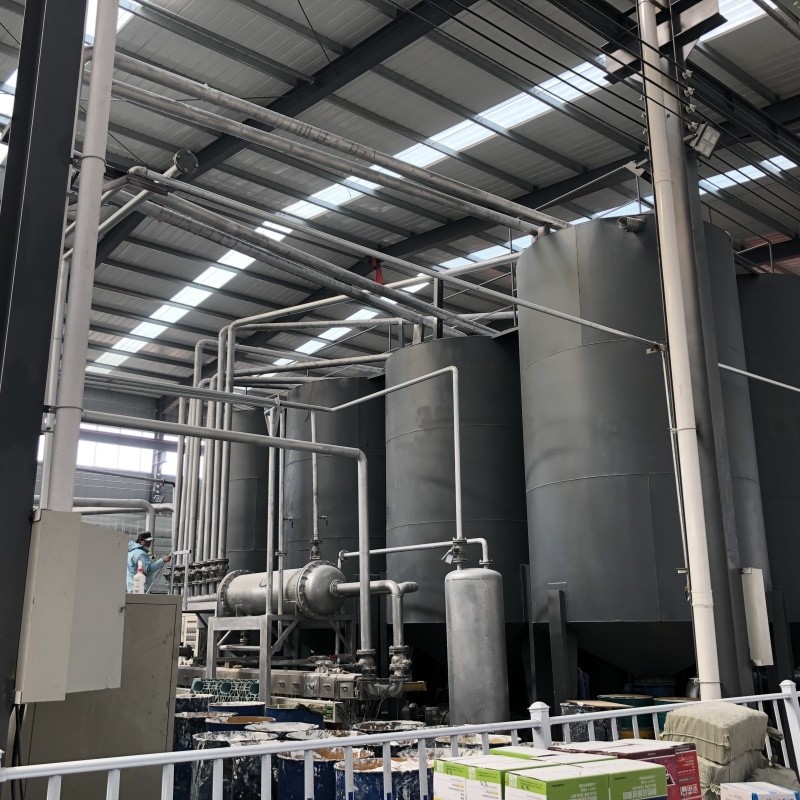
China's adhesive manufacturing sector has evolved from simple blending plants to advanced, highly automated chemical synthesis facilities. Shandong Province, a major industrial hub, sits at the center of this network. The local supply chain provides direct access to key raw materials—such as silane monomers, polyols, and MDI. This geographic advantage helps lower freight costs and shields production schedules from global supply disruptions.
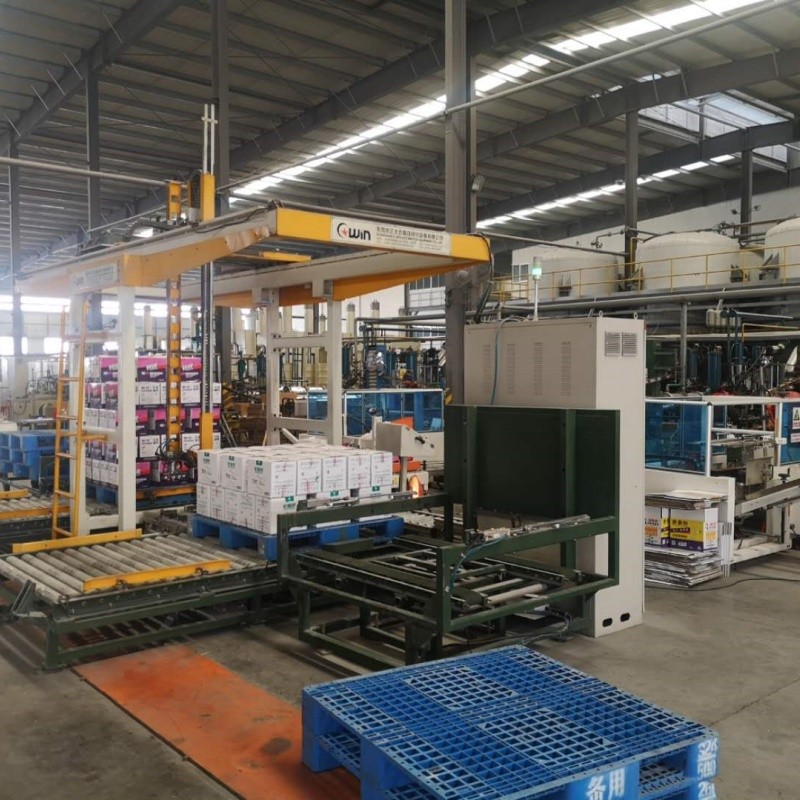
Additionally, modern Chinese factories invest heavily in automated batching, continuous polymerization reactors, and online quality testing. This automation guarantees consistent chemical quality across large production runs. The result is a highly reliable supply chain that offers world-class product performance at competitive prices, giving global buyers a clear edge in their procurement.
At Shandong Jinfang Adhesive Industry Co., Ltd., we enhance this industrial foundation through close research partnerships with major universities, including Shandong University, Xiamen University, and Linyi University. These collaborations keep us at the forefront of polymer science. By matching academic research with practical manufacturing, we continually refine our formulations to deliver high-performance bonding solutions for global industries.

Three key trends are driving the future of the exterior wood adhesive market:
Exterior wood adhesives are critical across a range of structural and architectural applications:
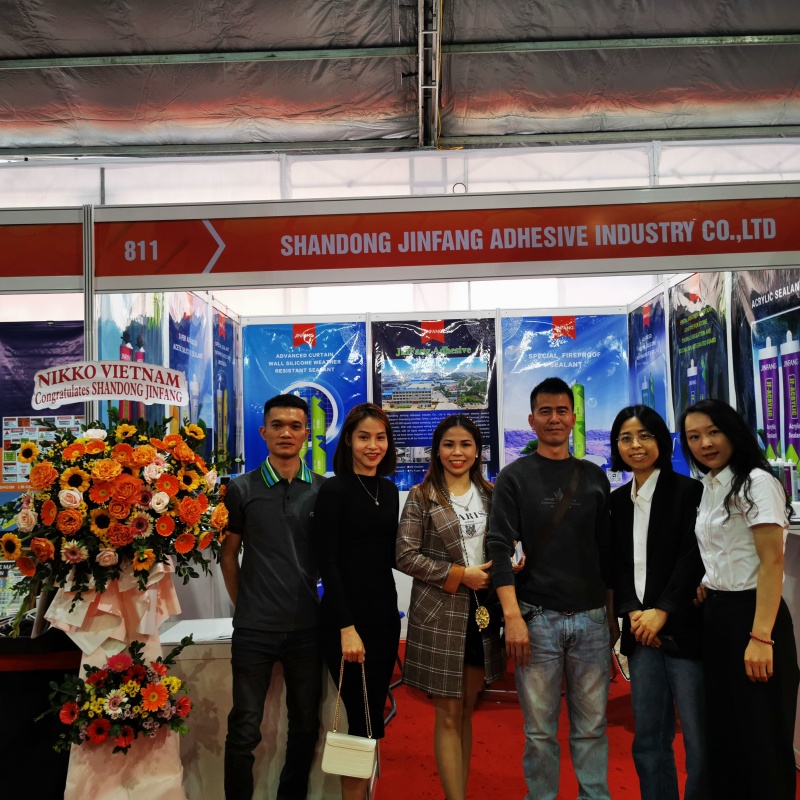
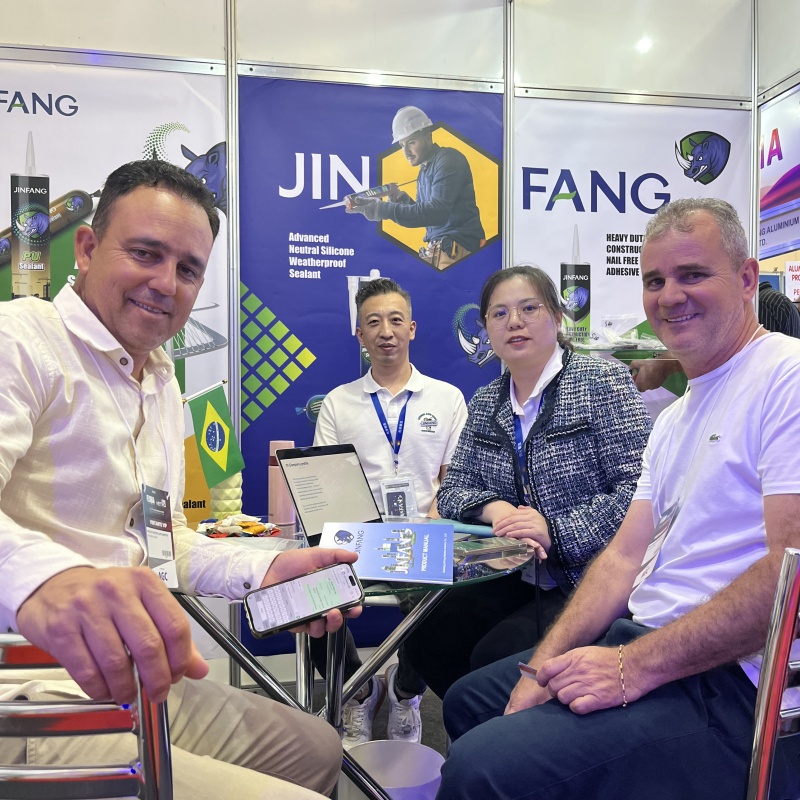
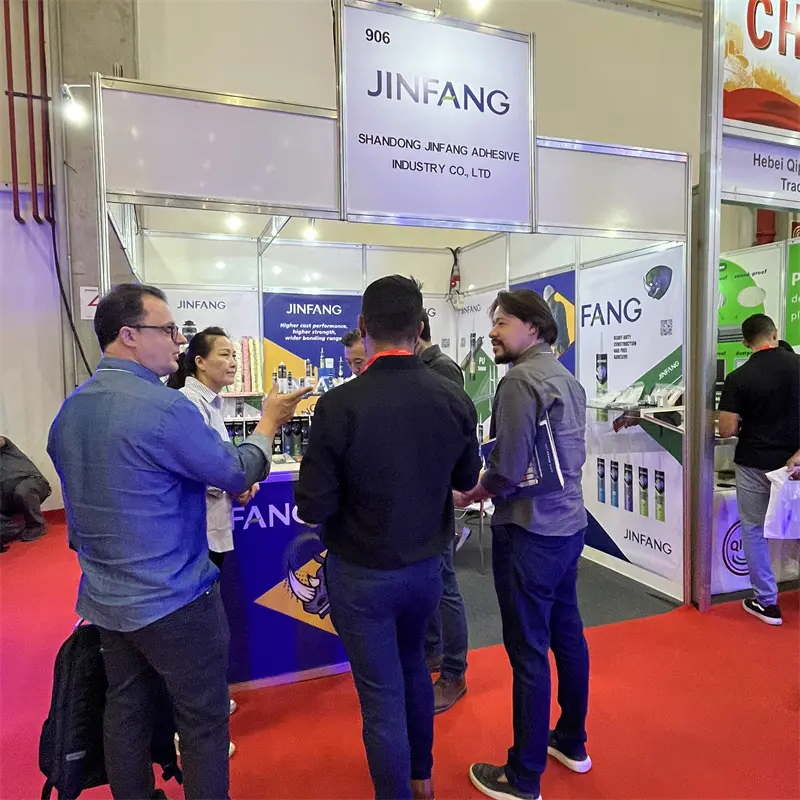
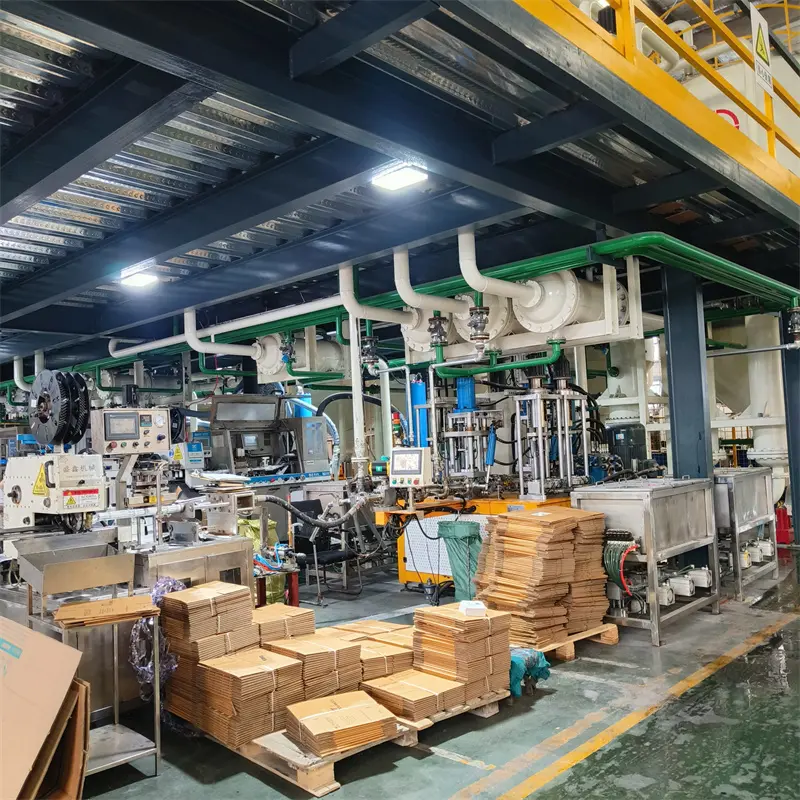
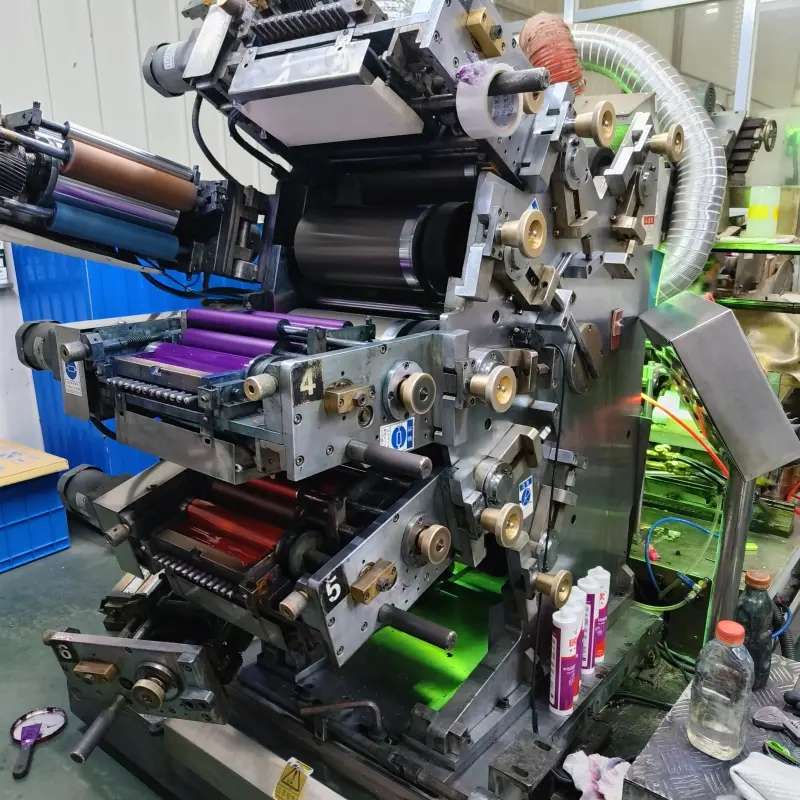
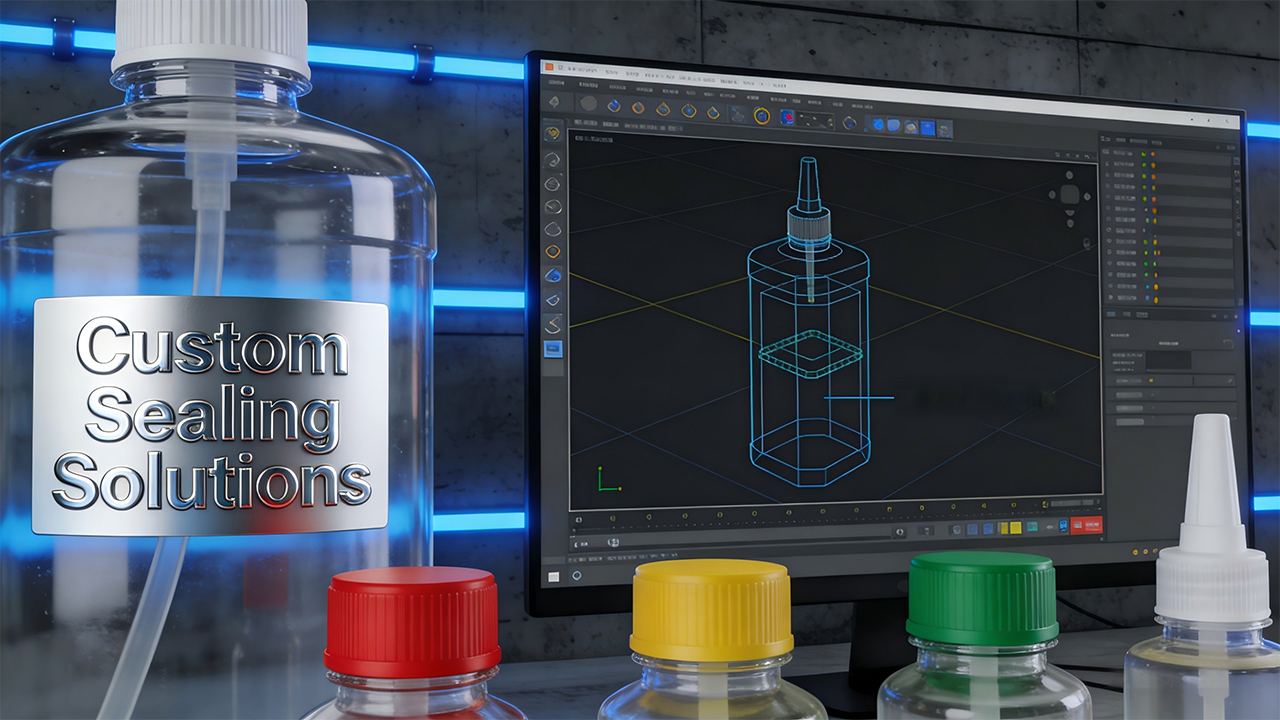
We provide comprehensive manufacturing services to match the branding and technical requirements of our global customers:
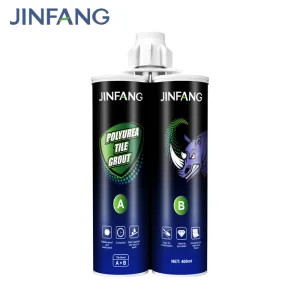
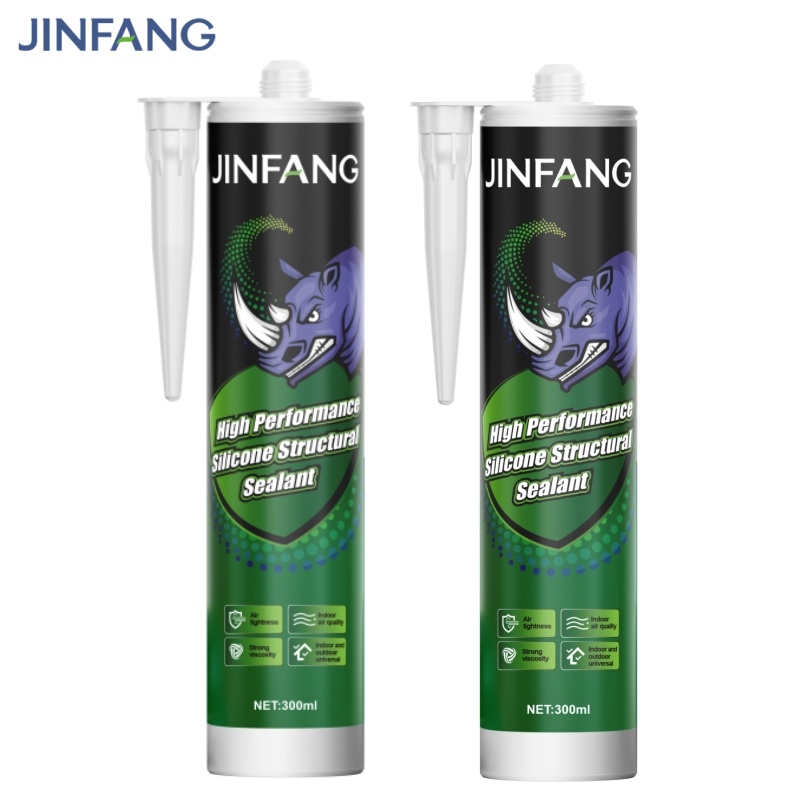
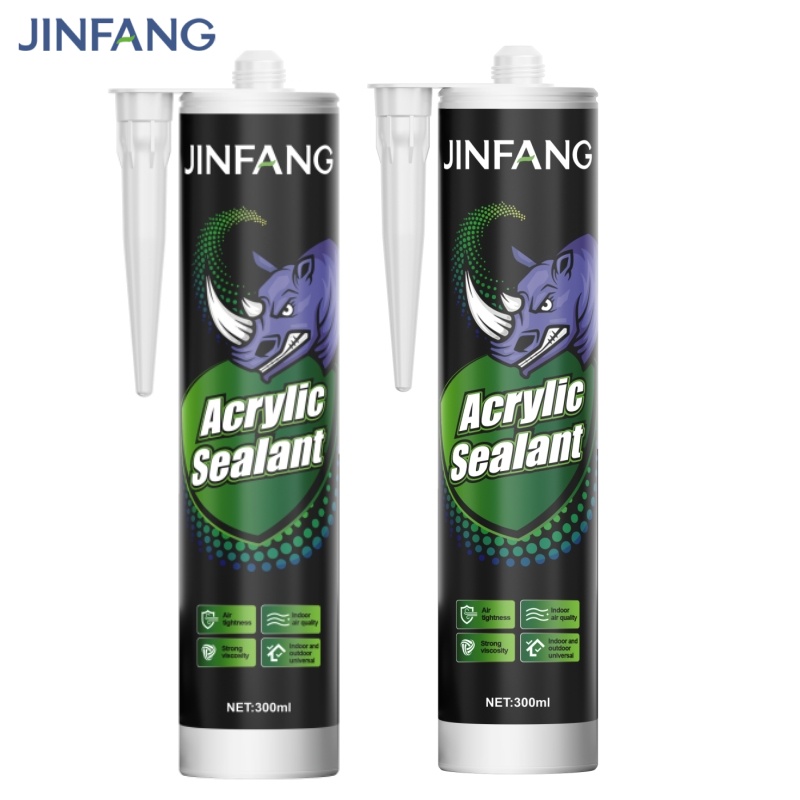
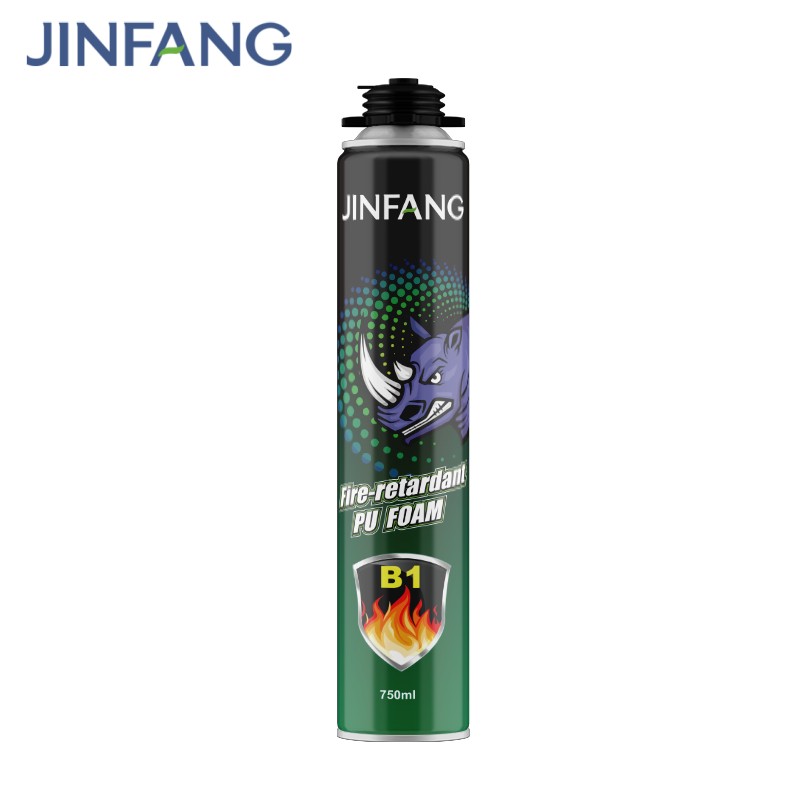
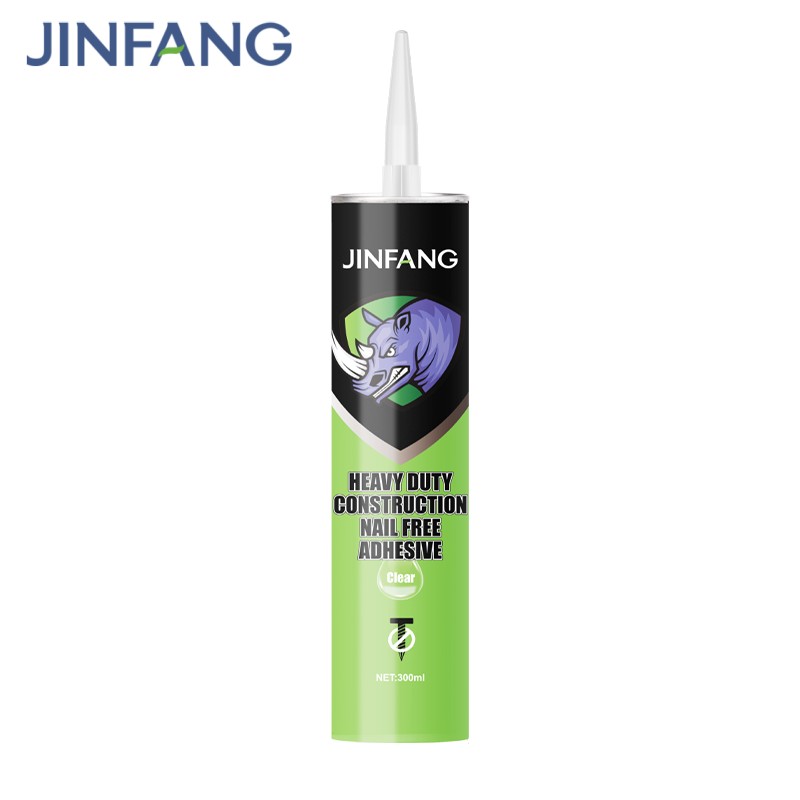
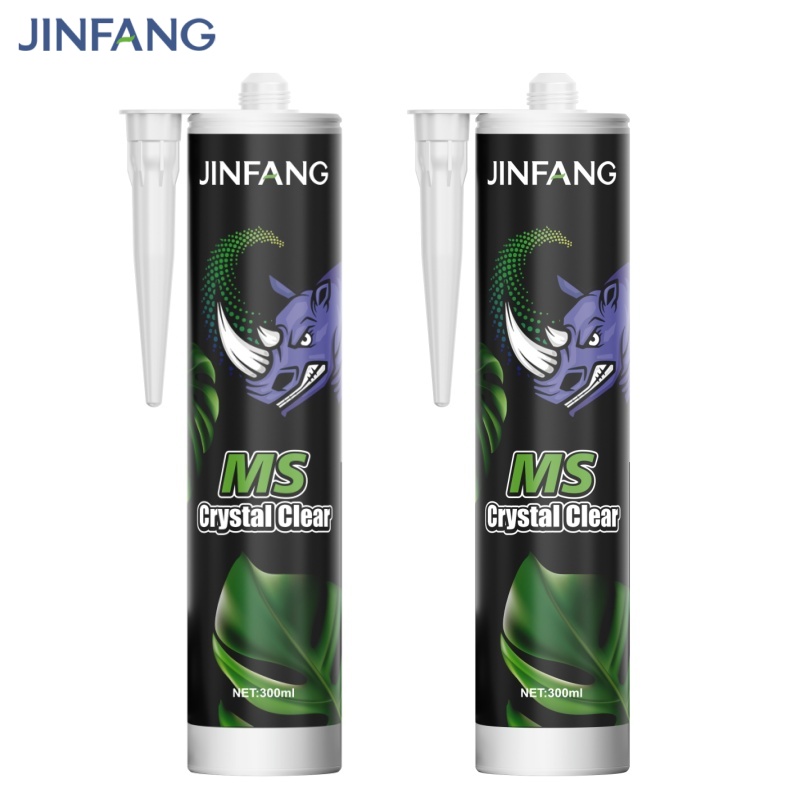
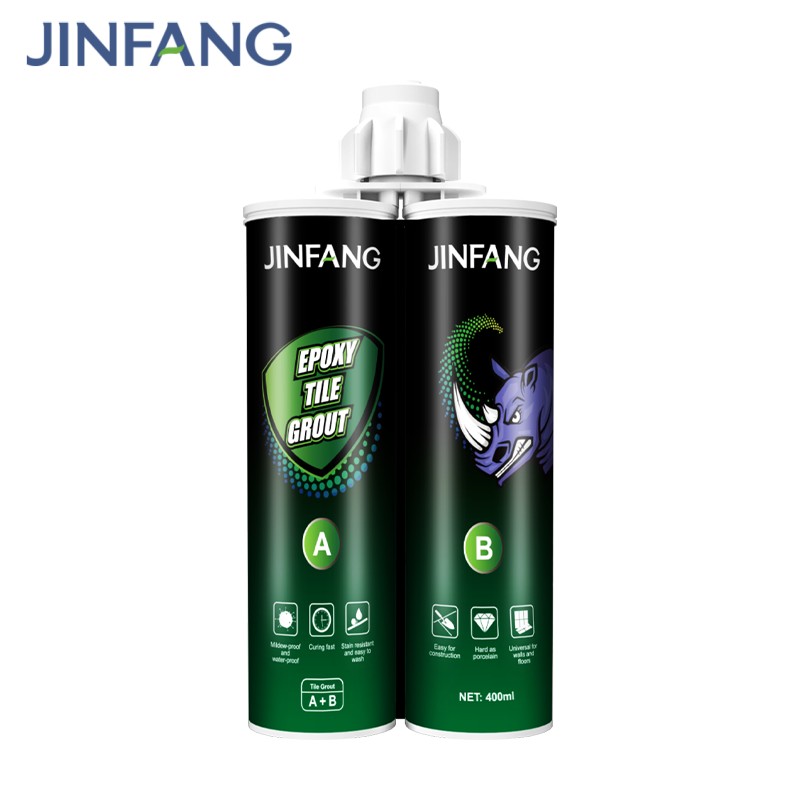
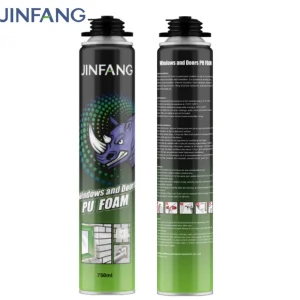
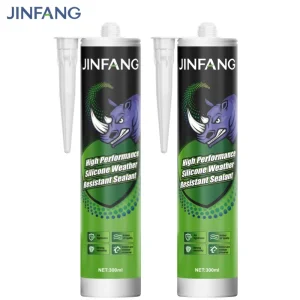
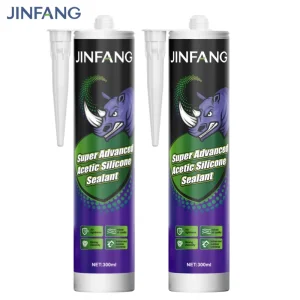
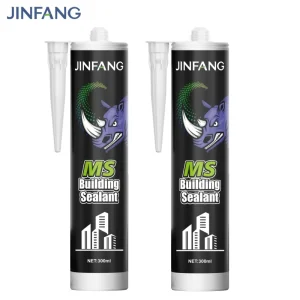
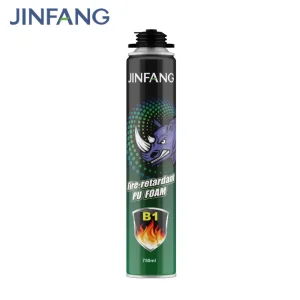
Strategically located in Shandong Province—a major industrial and chemical logistics hub in China—Shandong Jinfang Adhesive Industry Co., Ltd. is a leading manufacturer specializing in high-performance adhesives and sealants. We serve partners worldwide with a comprehensive range of products, including silicone sealants, polyurethane (PU) foam, MS building sealants, construction adhesives, tile grouts, and heavy-duty PU sealants.
Through our dedicated R&D division and academic partnerships, we focus on developing innovative, eco-friendly chemical products. Our manufacturing facility features automated raw material handling, high-speed mixing, precision cartridge filling, and computerized packaging systems. These tools ensure uniform batch quality and reliable mechanical performance for every shipment. With certifications including ISO 9001, ISO 14001, and compliance with EU standards, Jinfang continues to deliver reliable bonding and sealing solutions to construction, automotive, and industrial partners globally.
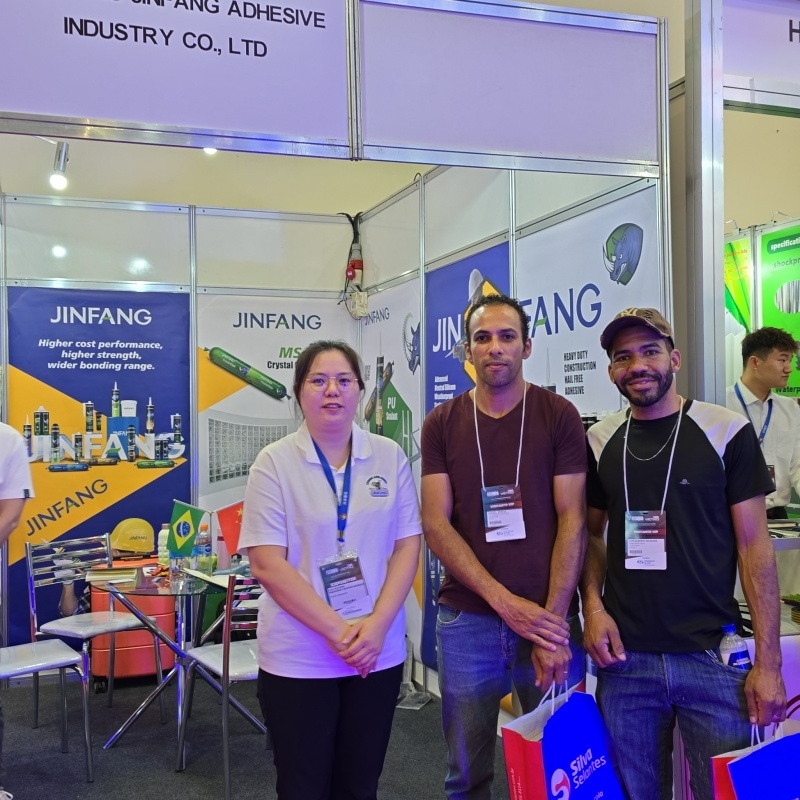
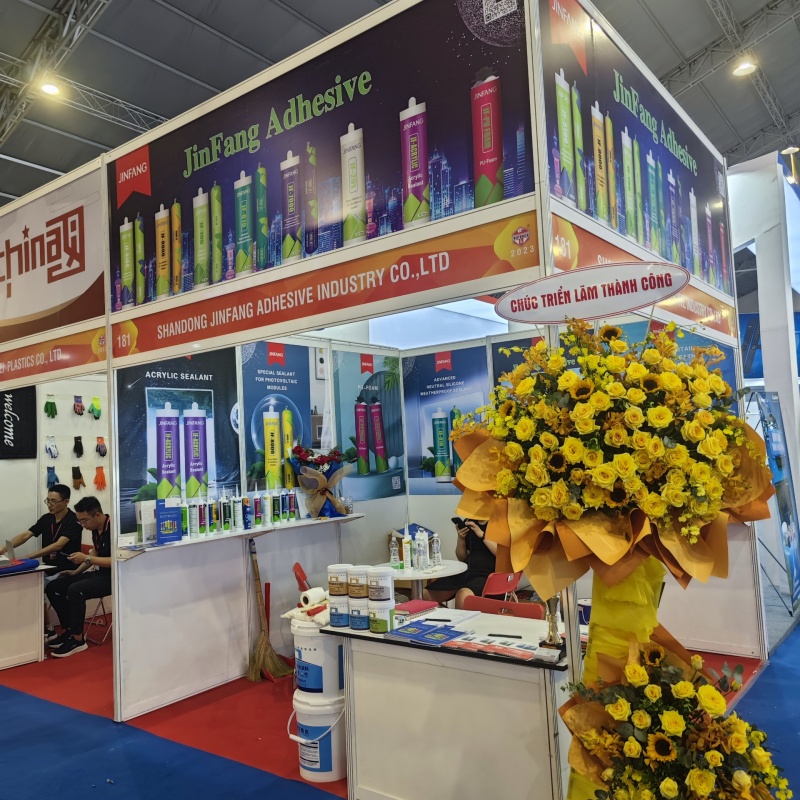
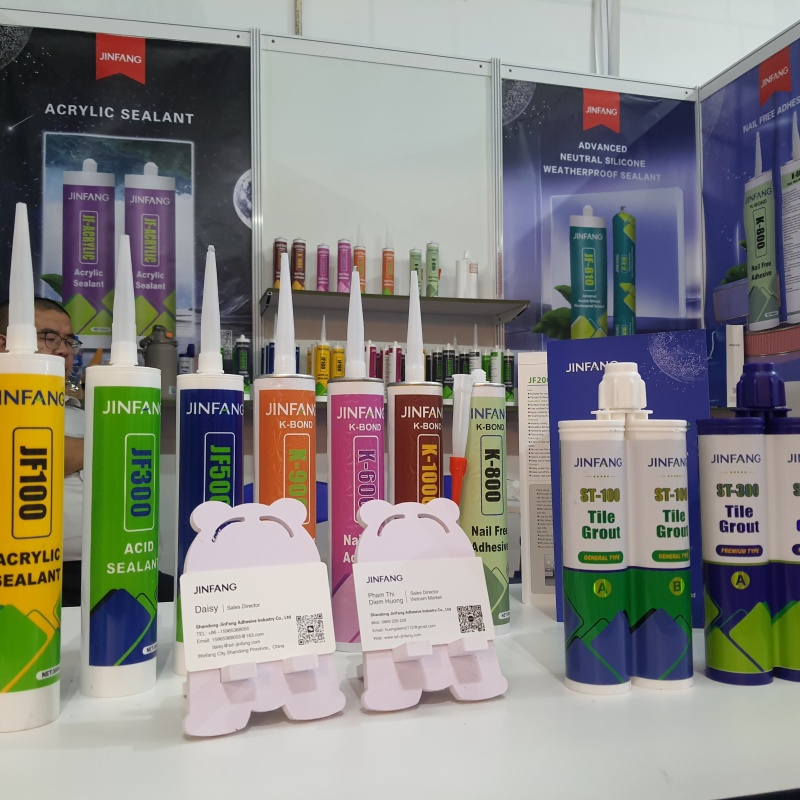
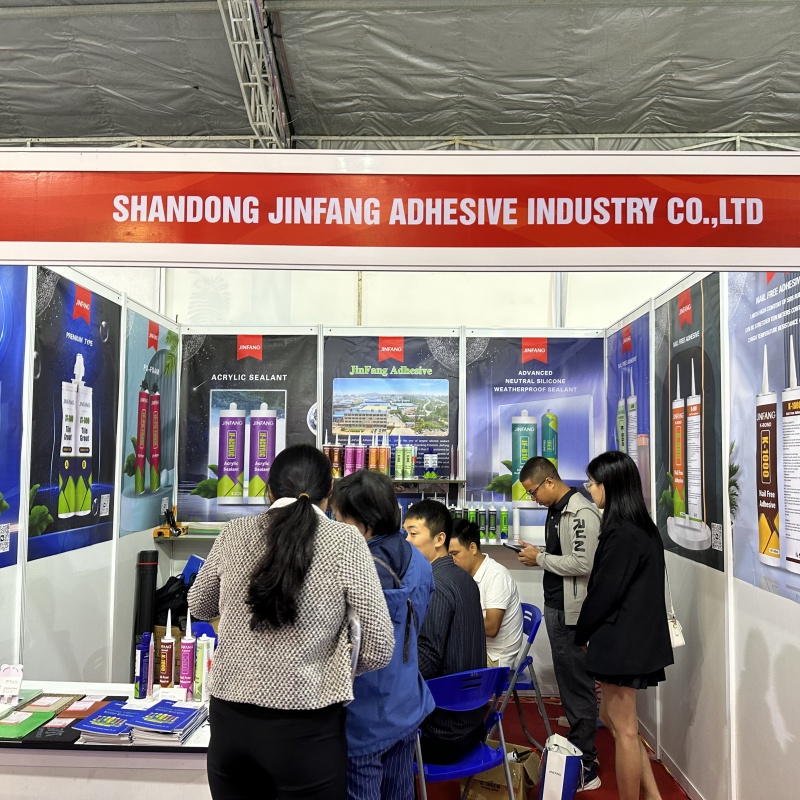
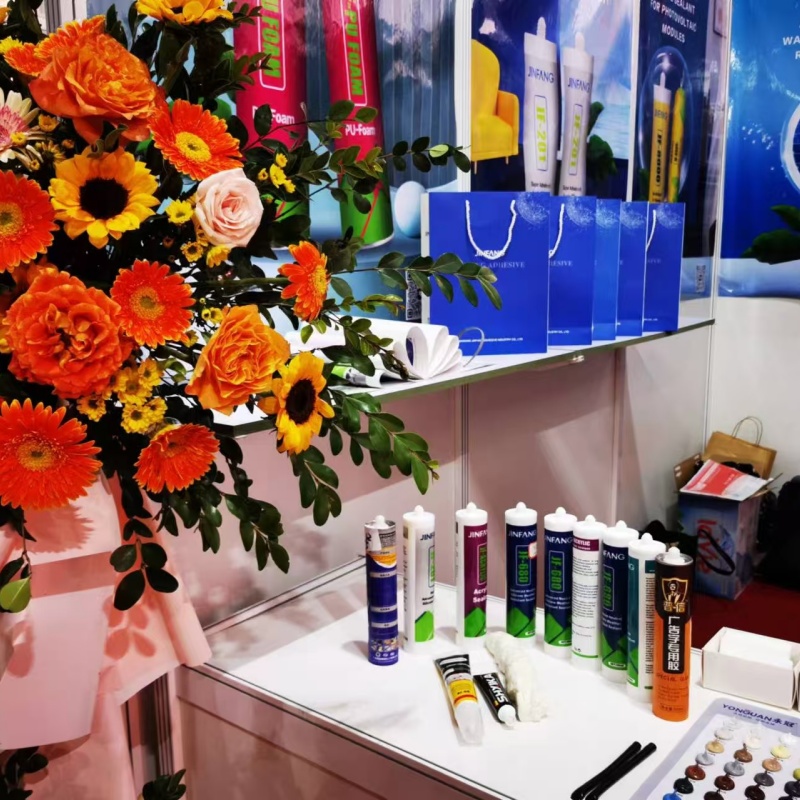
Reliable weatherproofing, elasticity, and adhesion performance across demanding architectural projects.

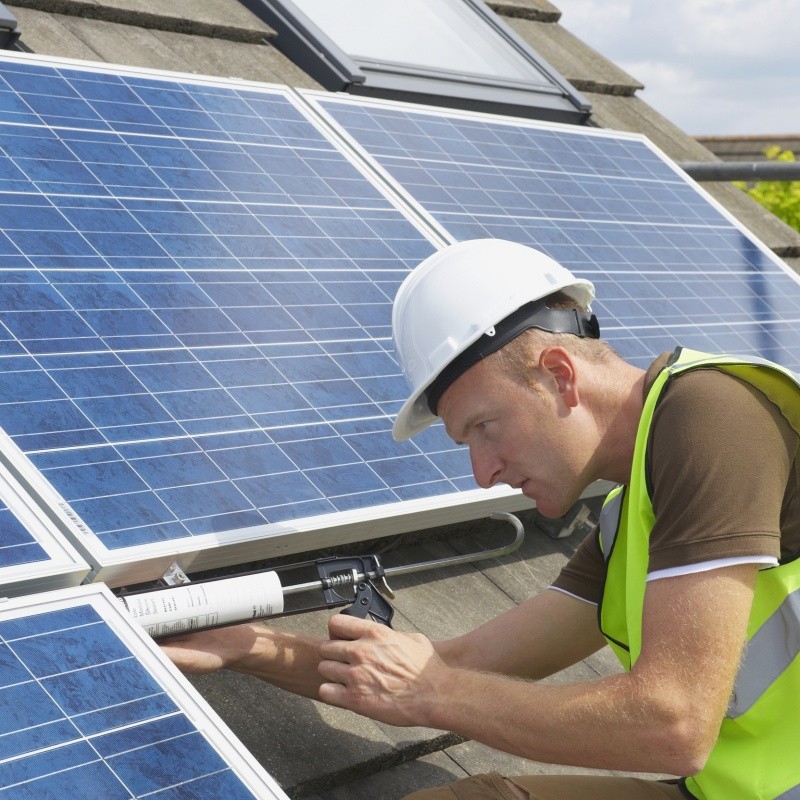
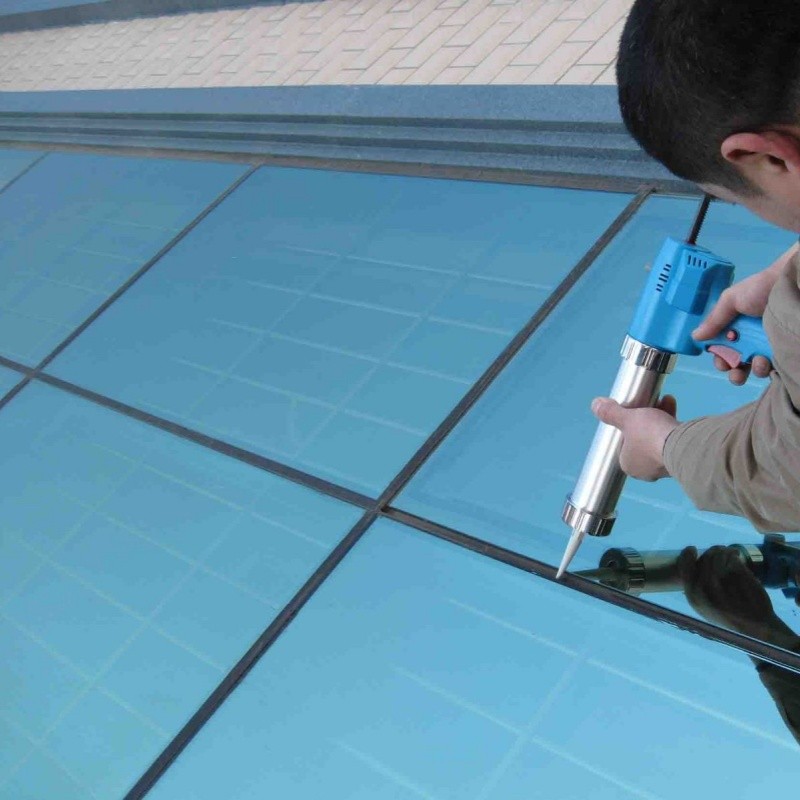
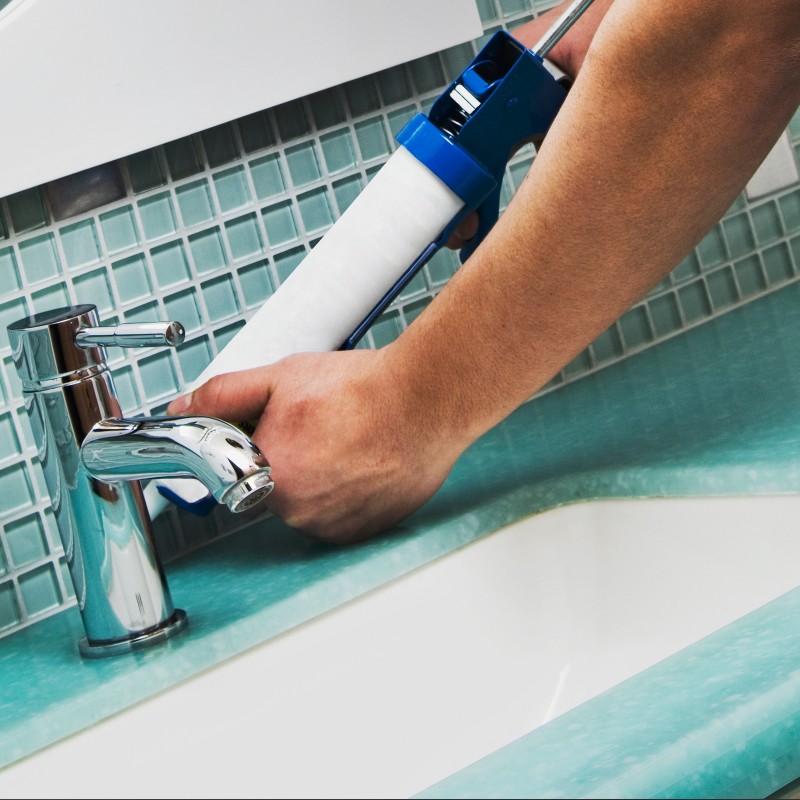
Silicone sealants play a vital role in modern construction and facade design. Thanks to their UV resistance, high elasticity, and thermal stability, they provide essential protection for expansion joints, curtain walls, and window installations. They remain flexible under extreme temperatures, ensuring a long-lasting barrier against wind, rain, and air infiltration.
Whether used for structural glazing on commercial high-rises or sealing residential window frames, our formulations are engineered to meet strict international standards, ensuring long-term reliability for your building envelope.

Technical answers to common questions about selecting and sourcing exterior wood glues.
Explore our core selection of industrial silicones, PU foams, acrylics, and structural adhesives.
Explore our complete export line of advanced architectural sealants and joint systems.
 Jinfang