High-performance formulations engineered to meet the demanding requirements of global construction and automotive sectors.
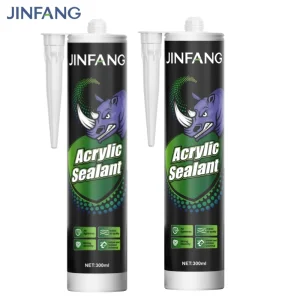
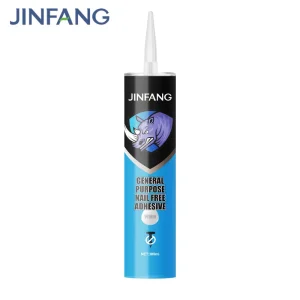
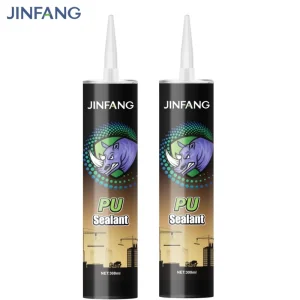
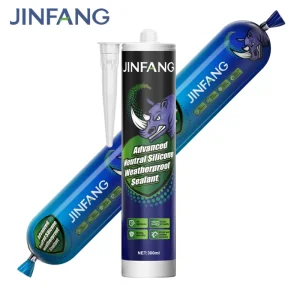
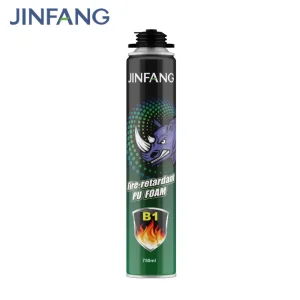
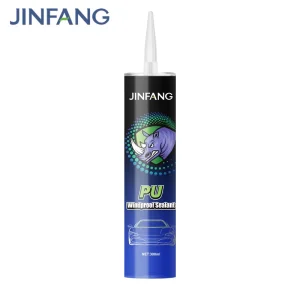
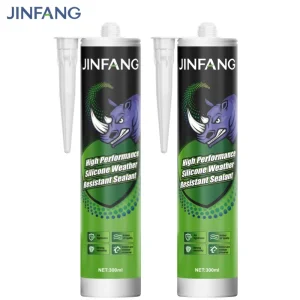
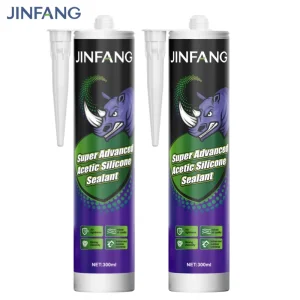
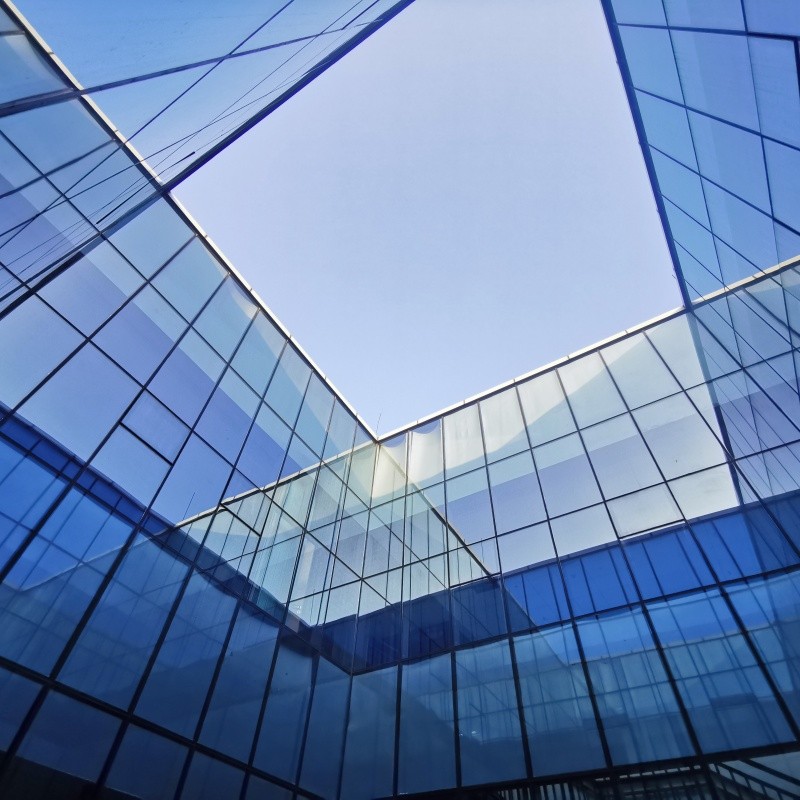
In the modern architectural landscape, the evolution of high-rise structures, unitized curtain wall systems, and energy-efficient building envelopes has transformed glazing silicone sealants from standard gap-fillers into critical structural elements. Globally, the demand for structural glazing silicone sealants has escalated significantly, driven by architectural trends favoring natural light, expansive glass facades, and structural integrity.
The global glazing silicone sealant industry is undergoing a pivotal shift toward environmentally sound, high-modulus, and high-elastic-recovery formulations. Driven by regulations like the EU REACH regulation and global green building certifications such as LEED and BREEAM, manufacturers are tasked with optimizing formulations to achieve zero or ultra-low volatile organic compound (VOC) emissions. At the same time, industrial automation in production facilities has become a critical benchmark for maintaining consistency, performance stability, and chemical compliance across borders.

The confluence of material science, green regulations, and manufacturing intelligence is shaping the future of industrial bonding solutions.
Next-generation glazing sealants are formulated to survive extreme UV exposure, cyclic temperature swings, and acid rain without cracking, shrinking, or losing adhesive bond, ensuring architectural facades last over 30 years.
Modified Silane (MS) polymers are rapidly expanding their footprint. Combining the high-strength properties of polyurethanes with the superior weatherability of silicones, they offer bubble-free curing and eco-friendly attributes.
Regulatory frameworks are restricting phthalate plasticizers and organic solvents. Leading manufacturers are investing in bio-based raw materials and solvent-free synthesis pathways to reduce carbon footprints.

Strategically located in the heart of Shandong Province, a major industrial hub in China, Shandong Jinfang Adhesive Industry Co., Ltd. stands as a premier manufacturer specializing in the research, development, and high-volume production of advanced adhesive and sealant solutions.
Our infrastructure is built on a framework of academic collaboration and rigorous engineering. We maintain deep R&D partnerships with leading academic institutions, including Shandong University, Xiamen University, and Linyi University. This cooperative research network enables us to recruit top-tier chemical researchers and integrate advanced polymers directly from laboratory synthesis into mass production.
To ensure compliance with strict international markets, our operation is certified to ISO 9001 and ISO 14001 standards, and our products carry certifications like the EU IROS, highlighting our adherence to safety, environmental sustainability, and consistent performance metrics.
Understand the chemical performance and application domains of silicone, MS polymers, polyurethane, and acrylic systems.
| Sealant Family | Base Polymer | Modulus & Elasticity | UV & Weather Resistance | Ideal Application Environments |
|---|---|---|---|---|
| Silicone (Neutral Curing) | Polydimethylsiloxane (PDMS) | High to Medium Modulus; +/-50% Movement | Outstanding (30+ years) | Structural curtain walls, glass facades, high-UV environments |
| Modified Silane (MS) Polymer | Silyl-terminated Polyether | Medium Modulus; +/-25% Movement | Very High (Non-staining) | Concrete joints, perimeter sealing, pre-cast panel bonding |
| Polyurethane (PU) Sealant | Polyurethane Prepolymer | High Modulus; High Abrasion Resistance | Moderate (Subject to UV yellowing) | Automotive glass replacement, expansion joints, infrastructure |
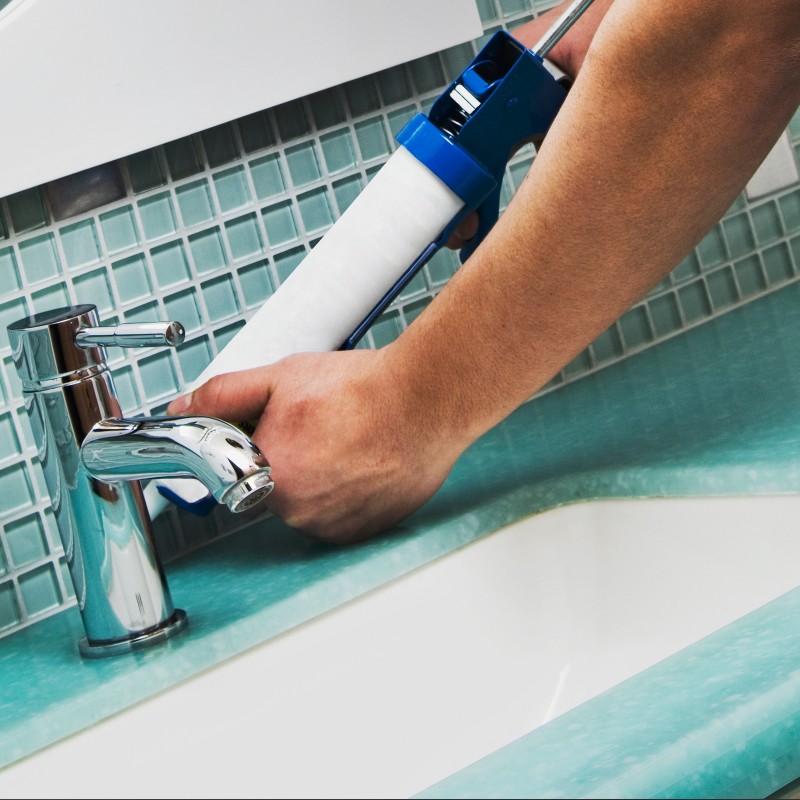
| Water-Based Acrylic Sealant | Acrylic Copolymer Emulsion | Low Modulus; Paintable | Moderate (Indoor optimized) | Interior finishing, drywall joints, wood trim gap-filling |
From thermal stress mitigation to crash safety integrity, our sealants are adapted to local environments globally.
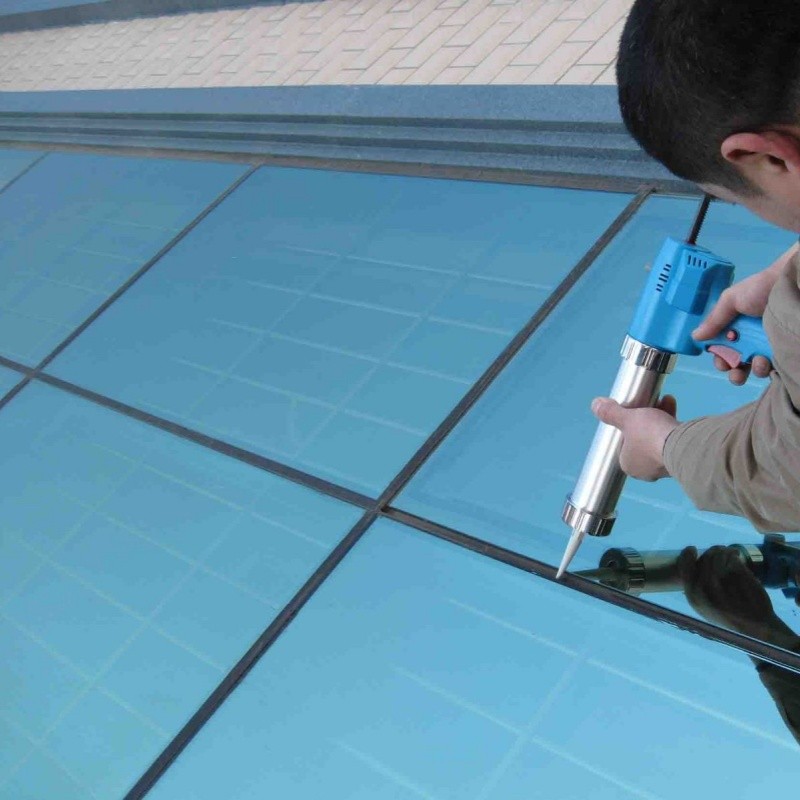
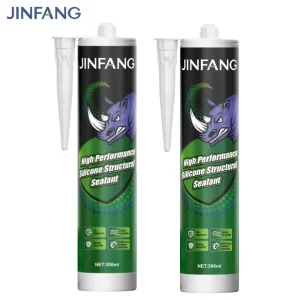
In skyscraper engineering, facades are subject to high wind loads, seismic events, and severe thermal cycles. Our High-Performance Silicone Structural Sealant acts as a flexible, high-strength adhesive that anchors the glass pane to the structural metal frame without mechanical fasteners.
This chemical integration minimizes structural thermal bridging, provides a continuous weather seal, and dampens dynamic building vibrations. For perimeter joints, our Advanced Neutral Silicone Weatherproof Sealants offer excellent primerless adhesion to glass, anodized aluminum, and masonry substrates.
Within the automotive sector, structural polyurethane and silicone adhesives are vital to vehicle stiffness, crashworthiness, and cabin comfort. Our automotive-grade formulations provide strong bonding on galvanized steel, aluminum, and composite structures.
These compounds prevent water leaks and provide acoustic damping, reducing noise, vibration, and harshness (NVH) levels within the vehicle cabin.
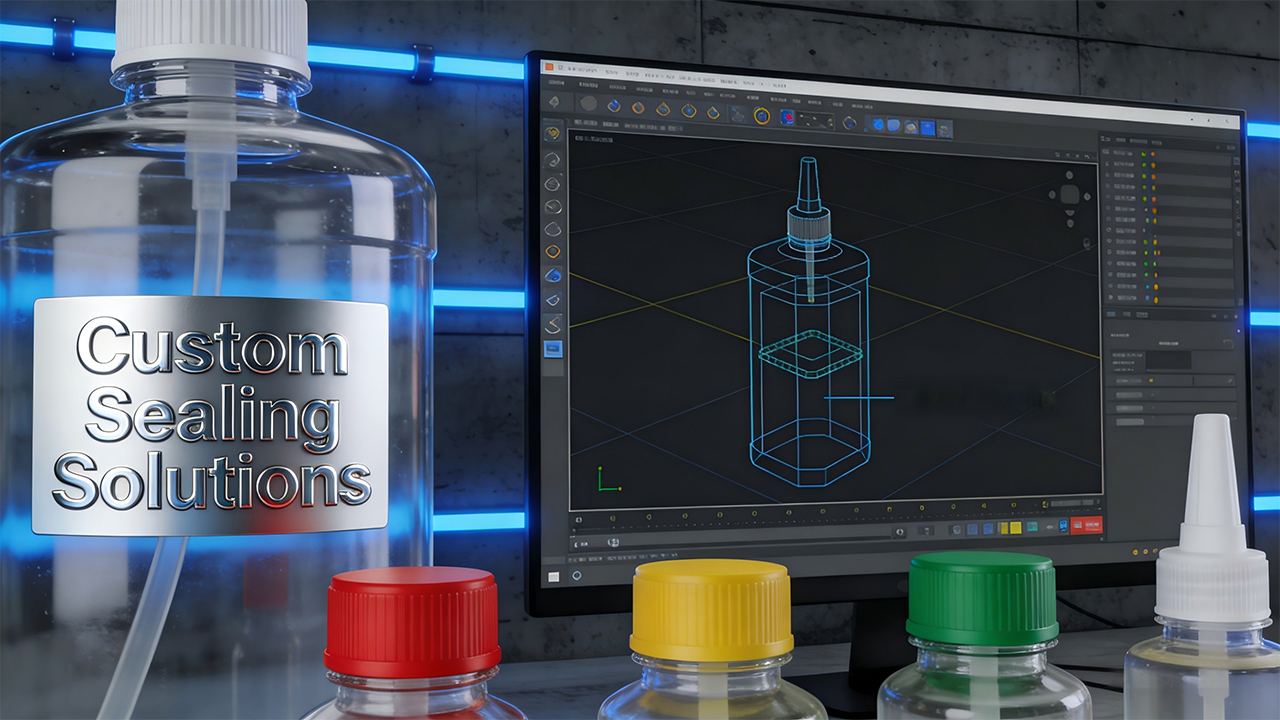
We customize the chemical properties, viscosity, cure speeds, and visual branding elements to align with your market positioning.
Utilize your proprietary formula or design. We provide automated, large-scale manufacturing with strict adherence to your parameters and testing benchmarks.
Our lab modifies mechanical and rheological profiles (viscosity, curing profiles, skin-over times) to suit specialized industrial environments.
We pack in aluminum sausages (300ml, 500ml, 600ml), high-grade plastic cartridges, bulk pails, or tubes with multi-color screen and offset printing options.
From raw material sourcing to container loading, Jinfang ensures consistent, traceable quality metrics.

Collaborative definition of the chemical formula, color matching, and design of cartridge graphics.

Rheological adjustments to tune extrusion rate, non-sag capability, tack-free time, and mechanical limits.

Fulfillment using premium aluminum barrier foils or HDPE cartridges to ensure long shelf life.

Comprehensive batch testing for tensile strength, elongation, and peel adhesion prior to international dispatch.
Take a look inside our clean rooms, raw material mixing silos, and state-of-the-art laboratory environments.
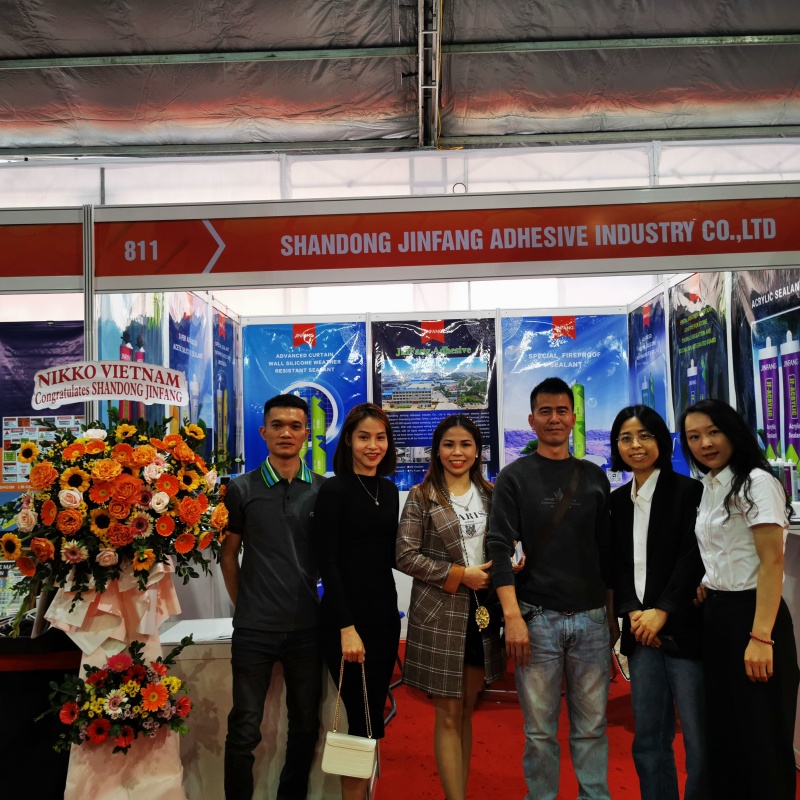
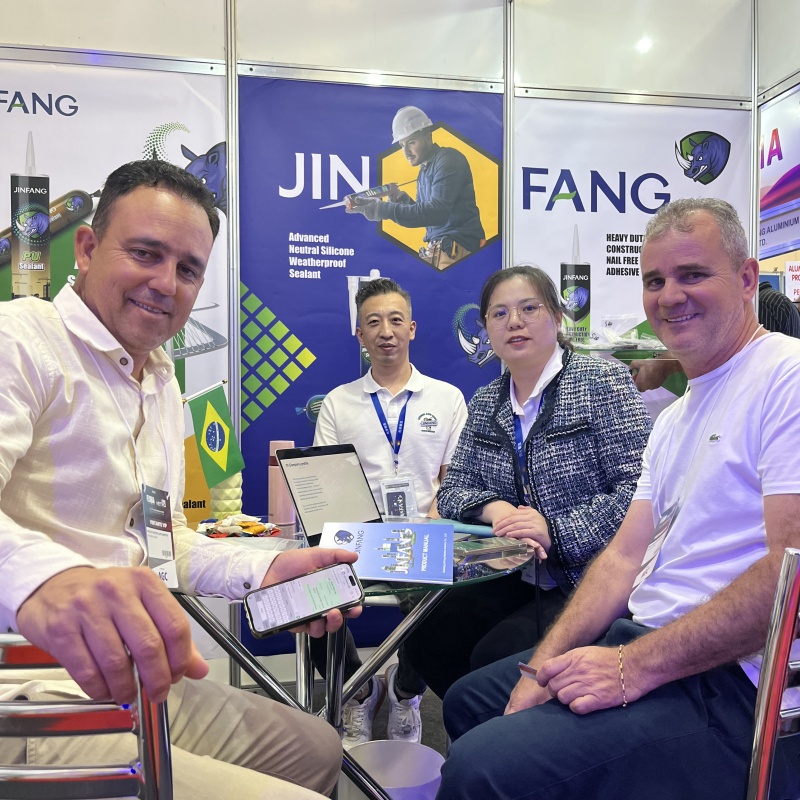
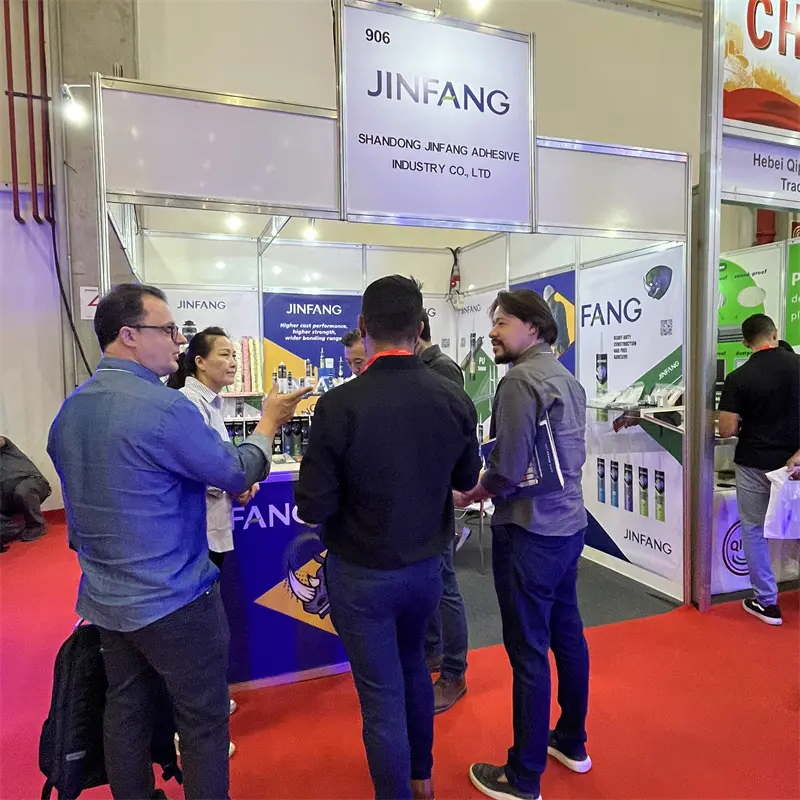
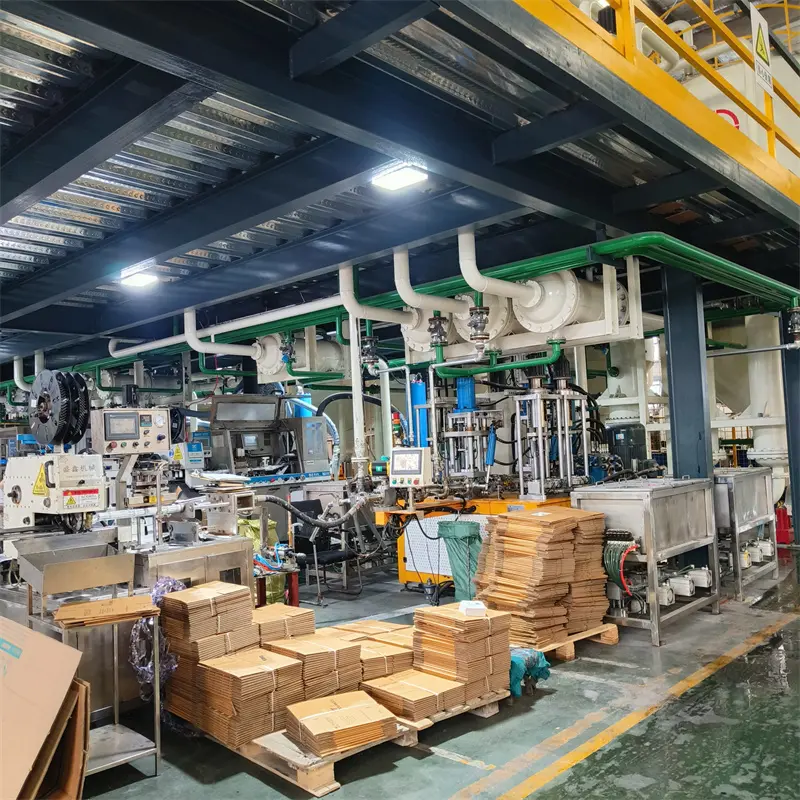
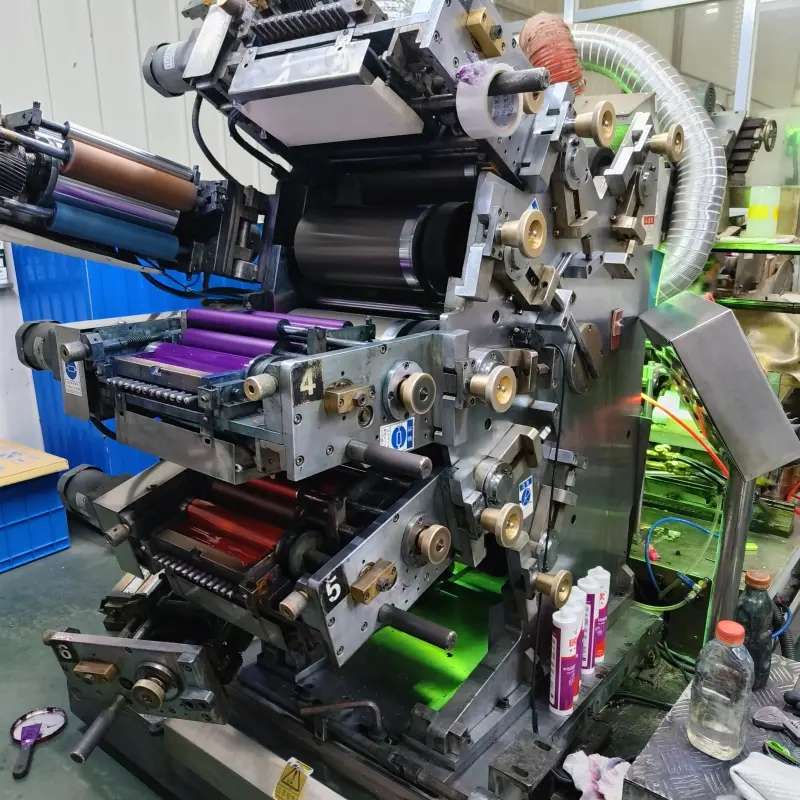
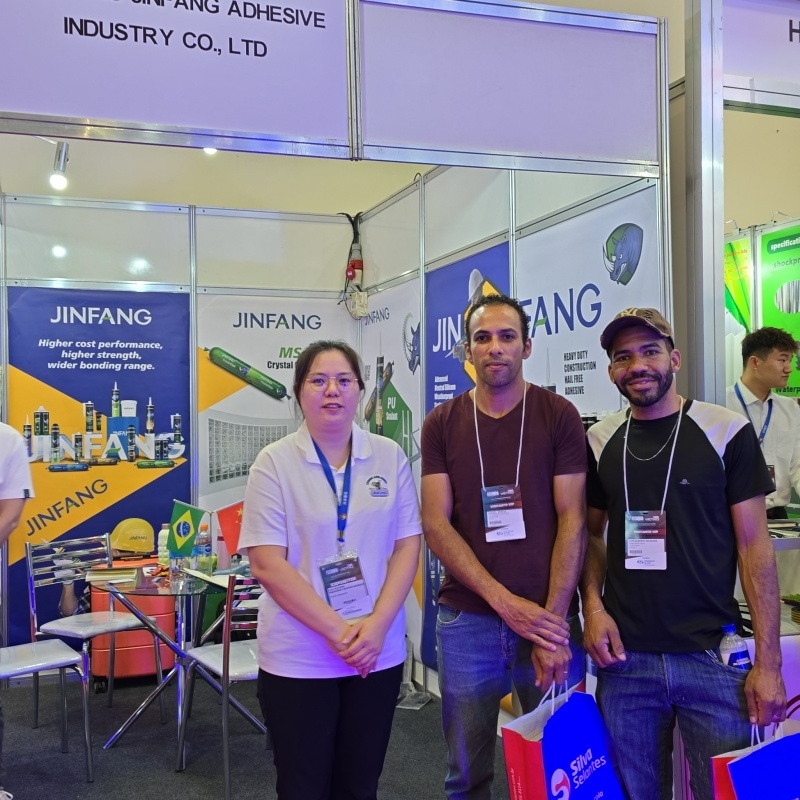
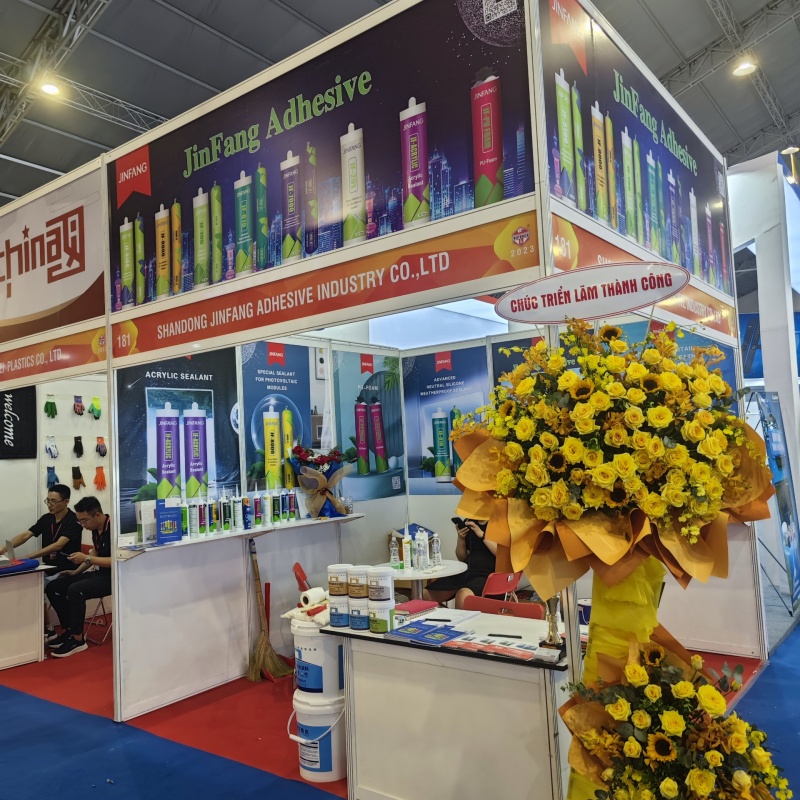
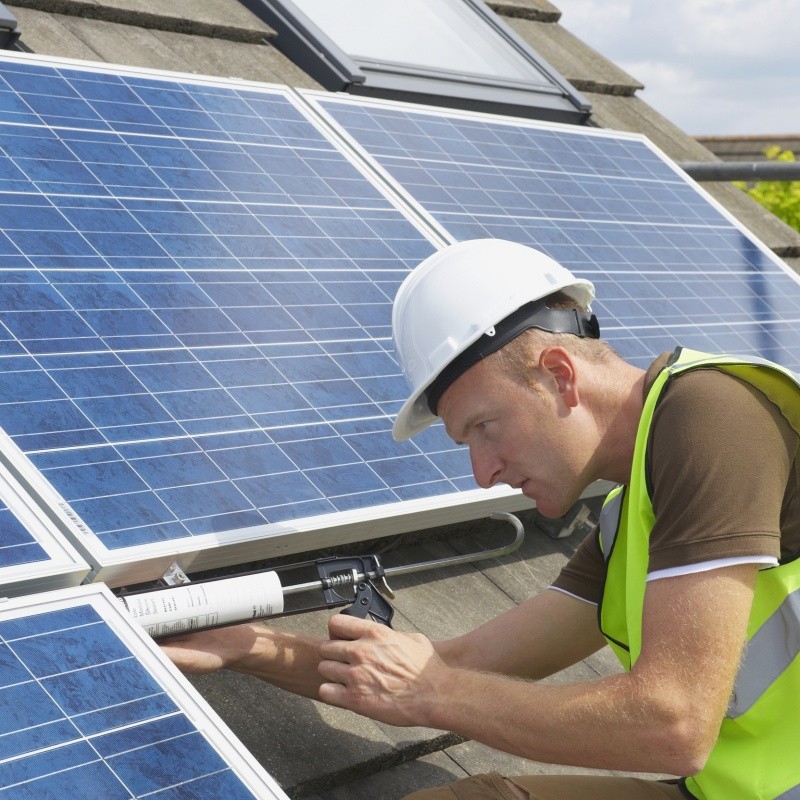
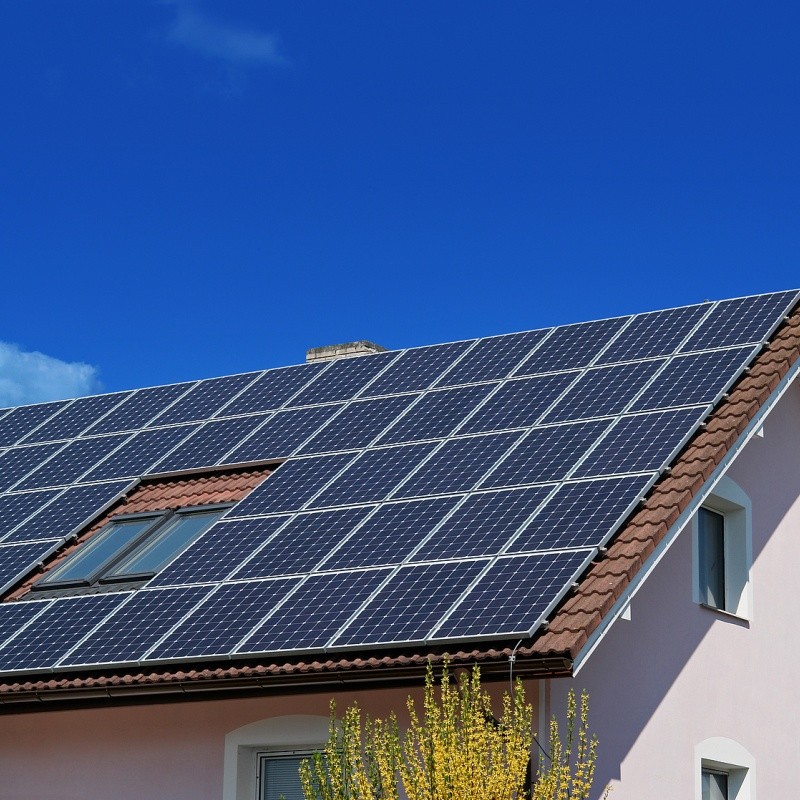
Our structural glazing, expansion joints, and weatherproof sealants are trusted in challenging construction designs worldwide.
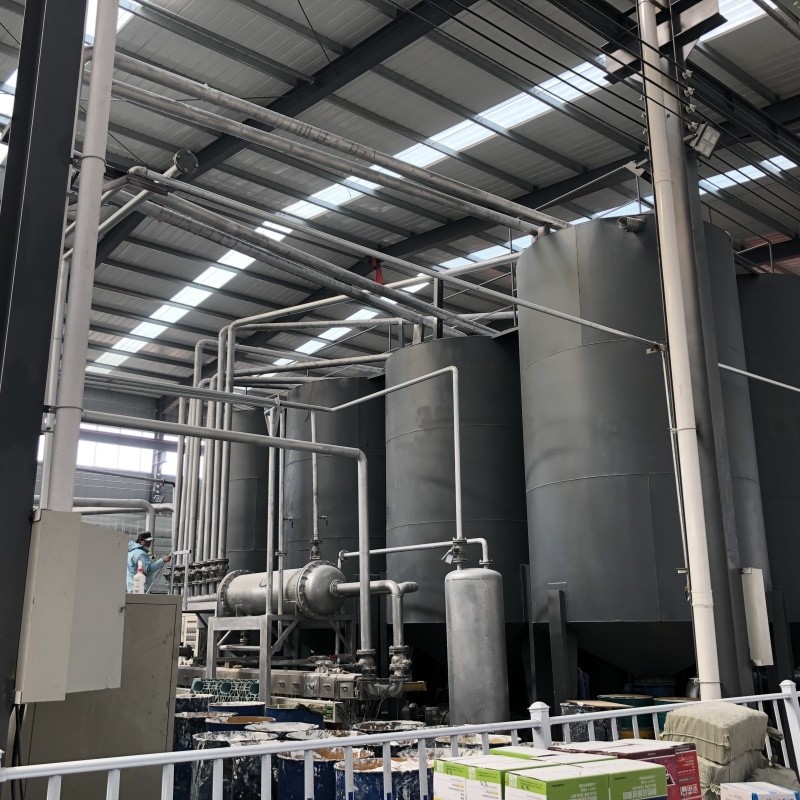
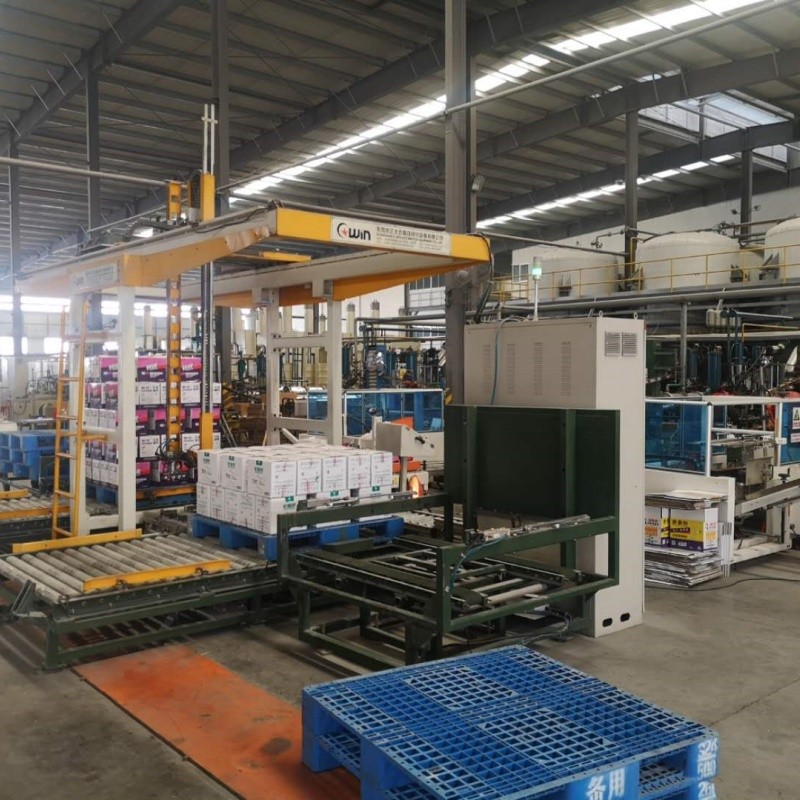
Answers to complex material questions compiled by our product research and design engineers.
Acetic silicone sealants release acetic acid (which smells like vinegar) during the vulcanization process. This byproduct can corrode metal substrates like copper, brass, and zinc, and damage the PVB interlayers in laminated glass. Neutral curing silicone sealants, by contrast, release non-corrosive alcohols or oximes, making them compatible with coated reflective glass, masonry, metals, and plastic sheeting. Structural glazing typically specifies neutral-cure formulations to prevent chemical deterioration of critical load-bearing joints.
Engineers evaluate tensile adhesion strength (often needing compliance with ASTM C1135 or ETAG 002), movement capability (typically +/- 25% or +/- 50%), and the modulus at specific elongation values. High-modulus sealants limit glass displacement under wind pressure, preventing stress accumulation on structural elements. Elastic recovery—the ability to return to its original shape after cyclic mechanical loading—must exceed 90% in structural applications to prevent material fatigue.
Modified Silane (MS) Polymers combine the high weatherability of silicones with the high mechanical performance and paintability of polyurethanes. Unlike silicones, MS polymers contain no free silicone oil, eliminating substrate staining on natural stone facades (granite, marble). Furthermore, they do not release isocyanates during curing and bond effectively to damp surfaces, making them highly suited for dynamic structural perimeter sealing.
Typical application temperatures range between 5°C and 40°C. Below 5°C, the risk of frost or moisture condensation on structural substrates increases, which can hinder primerless bonding. Specialized low-temperature formulations are available for projects in high-latitude zones. Fully cured silicone sealants retain their mechanical properties across a wide temperature range, typically from -50°C up to 150°C.
Jinfang uses fully automated raw material metering, mixing, and packaging lines. This system minimizes human error in compound addition. Each batch is sampled and tested for extrusion rate, density, tack-free time, slump, hardness, and ultimate tensile properties before packaging. Every shipment has a traceable lot number linked to its raw material analysis.
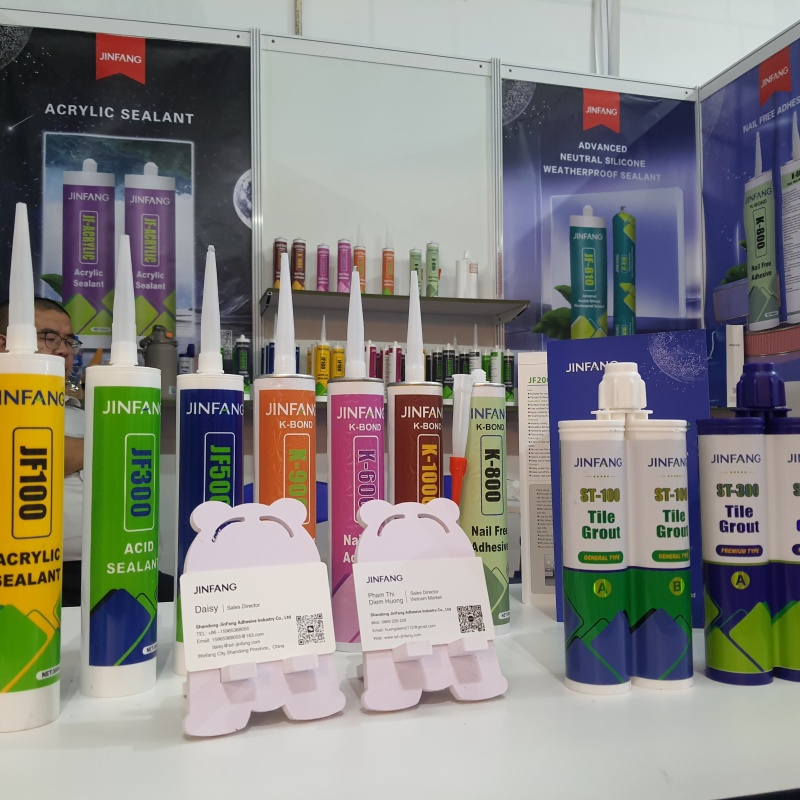
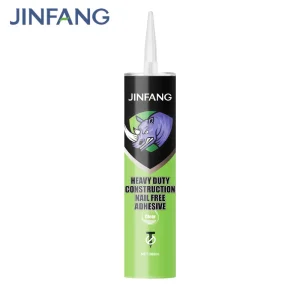
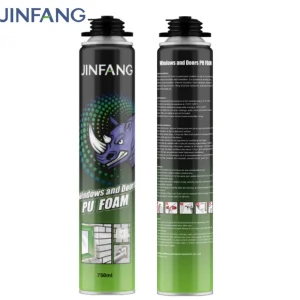
High-strength nail-free formulations, expansion joint compounds, and specialized structural sealants.
 Jinfang