Explore our comprehensive industrial portfolio, engineered to provide structural integrity, weatherability, and high thermal stability across demanding operational conditions.
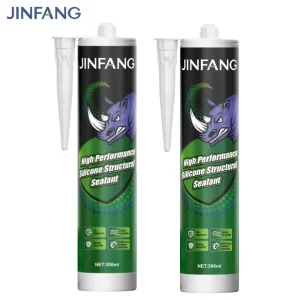
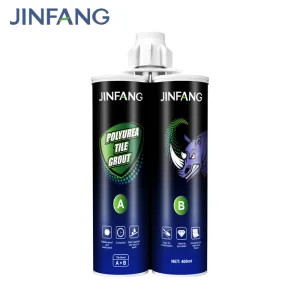
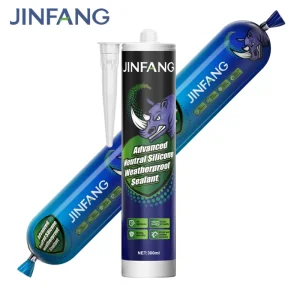
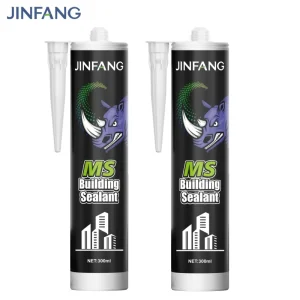
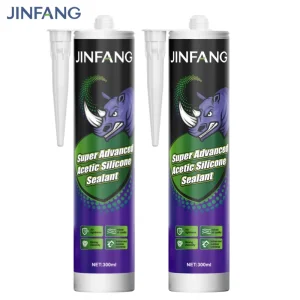
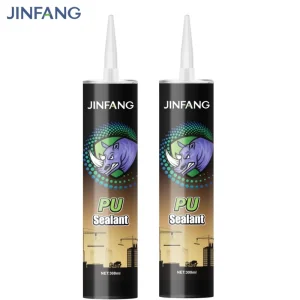
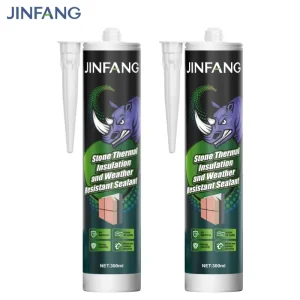
Industrial engineering demands materials that survive beyond standard operational envelopes. High-temperature silicone sealants are specifically synthesized using a backbone of polydimethylsiloxane (PDMS) modified with phenyl or methyl side chains. This unique molecular architecture provides steric hindrance against thermal degradation, allowing the cured elastomer to remain flexible at continuous service temperatures ranging from -60°C to +300°C (-76°F to +572°F), and withstand short-term exposure peaks up to +350°C.
Unlike typical organic sealants such as polyurethanes or acrylics, which break down into carbonaceous ash under thermal strain, silicone polymers degrade into silica (SiO2), which maintains electrical insulation and physical containment. Our R&D department at Shandong Jinfang Adhesive Industry Co., Ltd. develops highly cross-linked networks combined with specialized metal oxide thermal stabilizers (such as iron oxide red) to prevent siloxane chain cleavage, ensuring long-term flexibility and minimal weight loss in extreme heat.

Selecting the correct chemical cure mechanism is critical for global industrial procurement. Acetoxy silicone sealants release acetic acid during moisture-activated vulcanization. While they cure rapidly and bond strongly to non-porous surfaces like glass and ceramics, the generated acid can corrode sensitive metals (such as copper and mild steel) and damage electronic circuits.
Conversely, Neutral curing systems (such as alkoxy or oxime systems) release non-corrosive alcohols or oximes. Neutral sealants are the standard for engineering and automotive applications, providing superior adhesion to metals, plastics, masonry, and composites without chemical degradation of the substrate.
How structural demands and regulatory requirements are shifting the procurement of high-performance elastomeric sealants.
Industrial procurement managers face a shifting regulatory and functional landscape. Globally, the demand for high-temperature resistant and chemically inert materials is accelerating, driven by three major macro-trends:
LEED and BREEAM certifications enforce strict limits on Volatile Organic Compounds (VOCs). Modern construction demands Low-VOC, eco-friendly MS sealants and solvent-free silicones that maintain indoor air quality.
The rise of Electric Vehicles (EVs) requires advanced gasketing materials capable of sealing battery enclosures, heat exchangers, and drive units, providing both thermal barriers and vibration isolation.
Global disruptions require suppliers to maintain large raw material reserves and agile manufacturing lines, assuring consistent delivery timelines and localized compliance (REACH, RoHS, IROS).
| Industry Sector | Primary Application | Critical Sealant Property Required | Recommended Formulation Type |
|---|---|---|---|
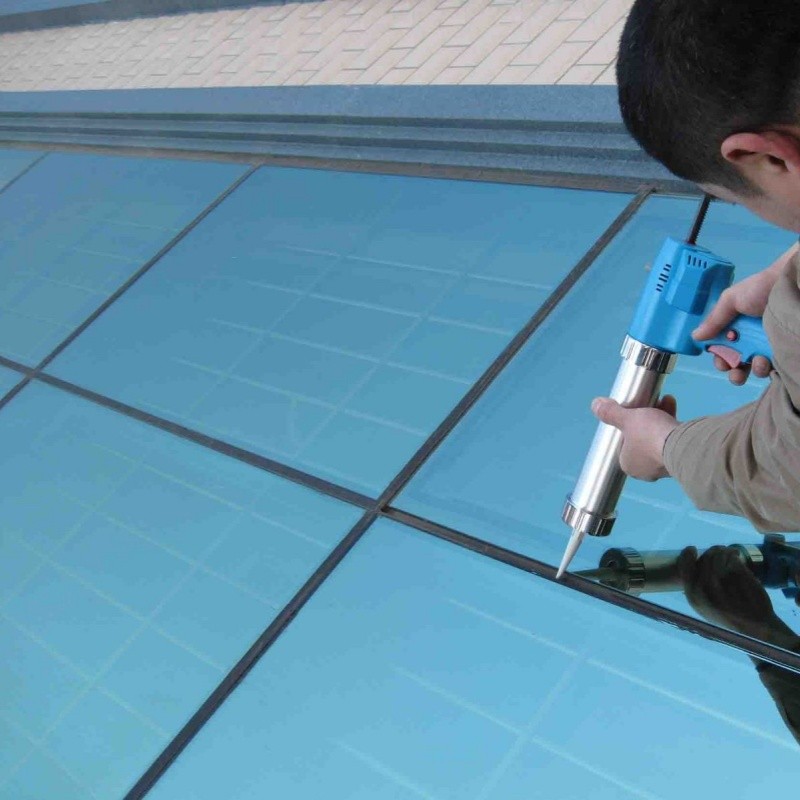
| Structural Glazing | Facade systems, curtain walls, high-rise glass bonding | High tensile strength, UV resistance, dynamic wind load resistance | Neutral structural silicone sealant |
| Automotive Manufacturing | Engine oil pans, thermostat housings, valve covers, EV battery boxes | Fluid resistance (oil, coolant), high-temp elastomeric recovery | Oxime neutral high-temp silicone |
| HVAC & Ducting | Flue pipes, ventilation ducts, industrial furnace joints | Continuous thermal stability, smoke containment, zero sag | Red high-temperature acetoxy / neutral |
| Commercial Building | Expansion joints, perimeter sealing, fire barrier penetrations | Elastic recovery (±25% movement), weather resistance | MS Polymer or Polyurethane sealant |
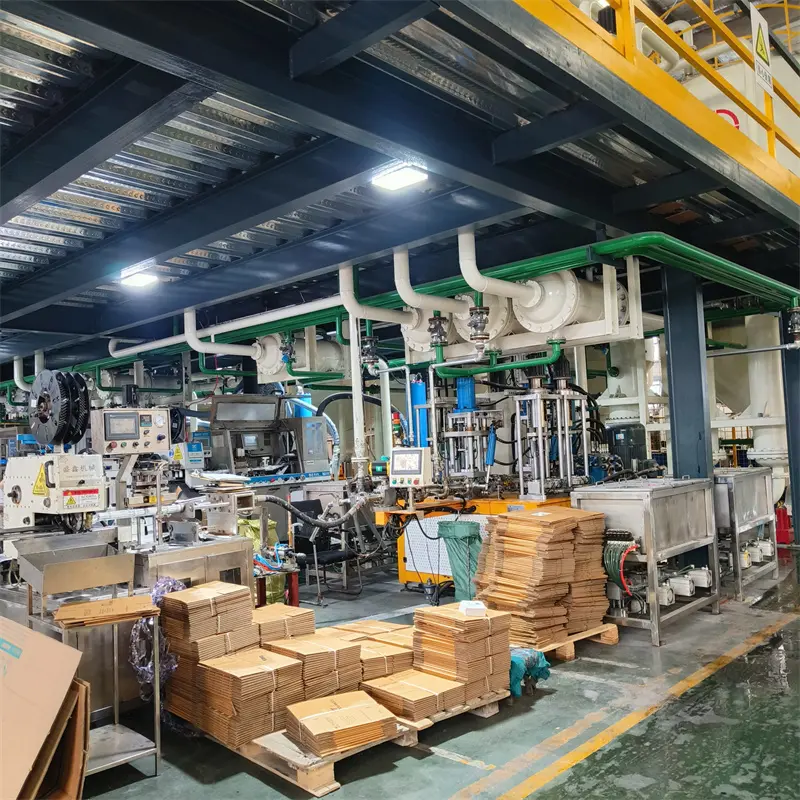
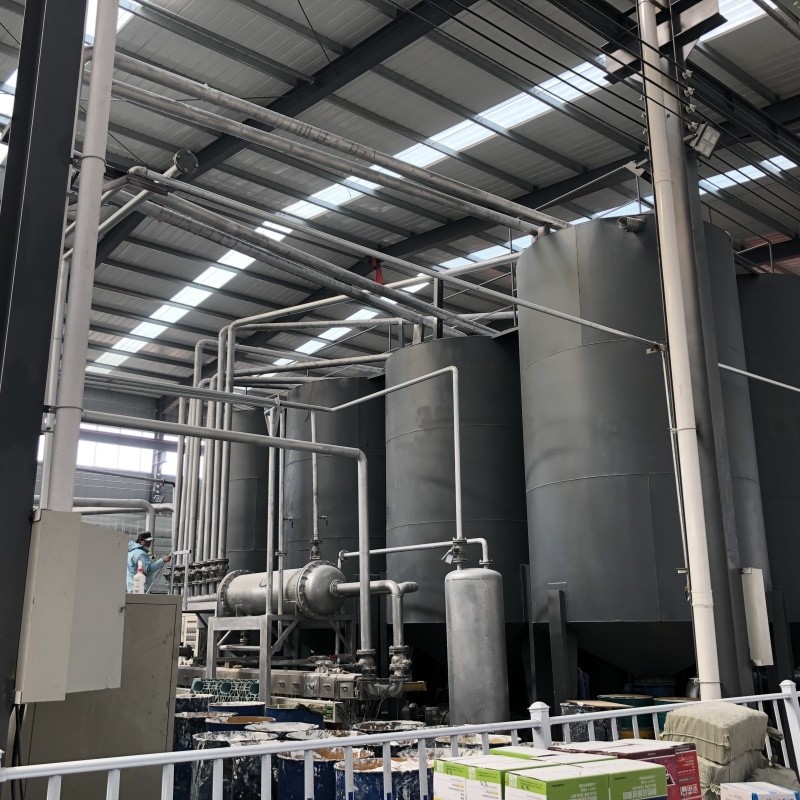
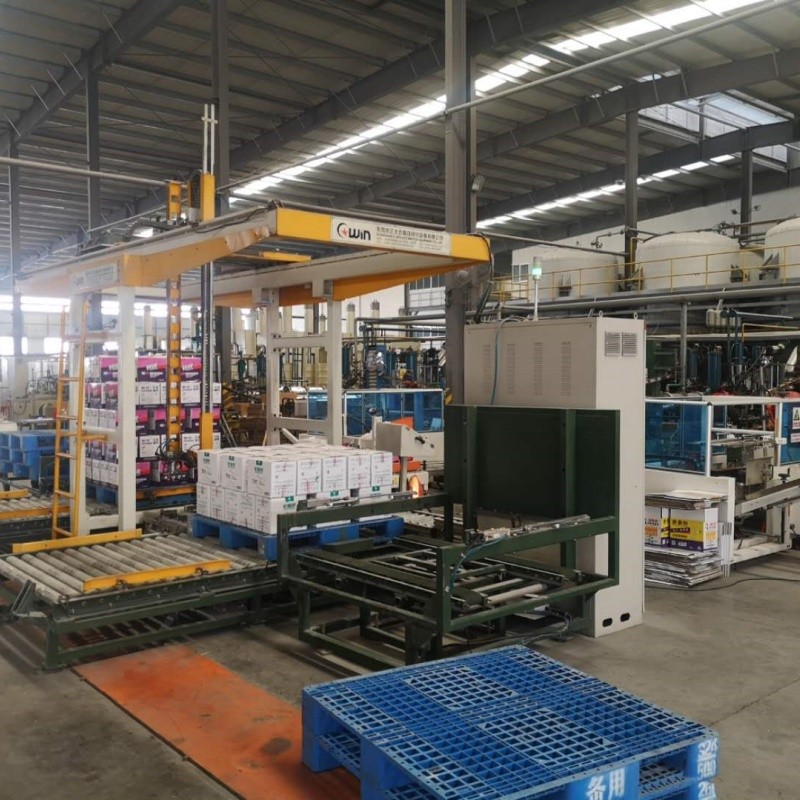
Operating from our advanced industrial hub in Shandong Province, Shandong Jinfang Adhesive Industry Co., Ltd. has implemented an integrated Factory 4.0 model. This manufacturing ecosystem merges high-throughput automation with precise quality gates. Our production lines integrate raw material feeding, computer-controlled batch mixing, precision container injection molding, and automatic packaging. This reduces human error and provides consistent batch homogeneity.
Our infrastructure minimizes manufacturing overhead while ensuring high formulation precision. By sourcing primary polymer bases directly from major local chemical clusters, we avoid international logistical volatility. This localized supply chain model allows us to offer an average 15-day manufacturing lead time from initial order to port shipment, maintaining agility in global construction and industrial procurement.
Our engineering authority is built on academic collaboration, rigorous testing, and strict global quality compliance.
Reliability in high-temperature applications requires rigorous quality control and technical expertise. Shandong Jinfang Adhesive Industry maintains research partnerships with leading Chinese universities, including Shandong University, Xiamen University, and Linyi University. These collaborations support the exchange of technical knowledge, polymer research, and access to advanced chemical characterization tools.
Our manufacturing processes conform to internationally recognized standards, certifying that every batch of sealant leaving our factory meets high performance baselines:
Our sealants undergo testing before dispatch, validating features like:
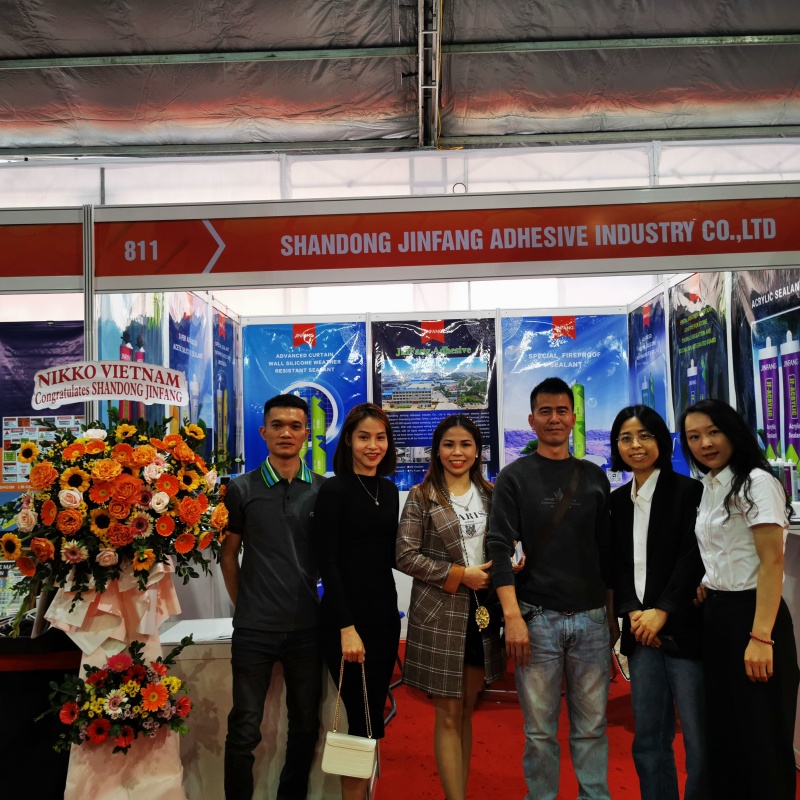
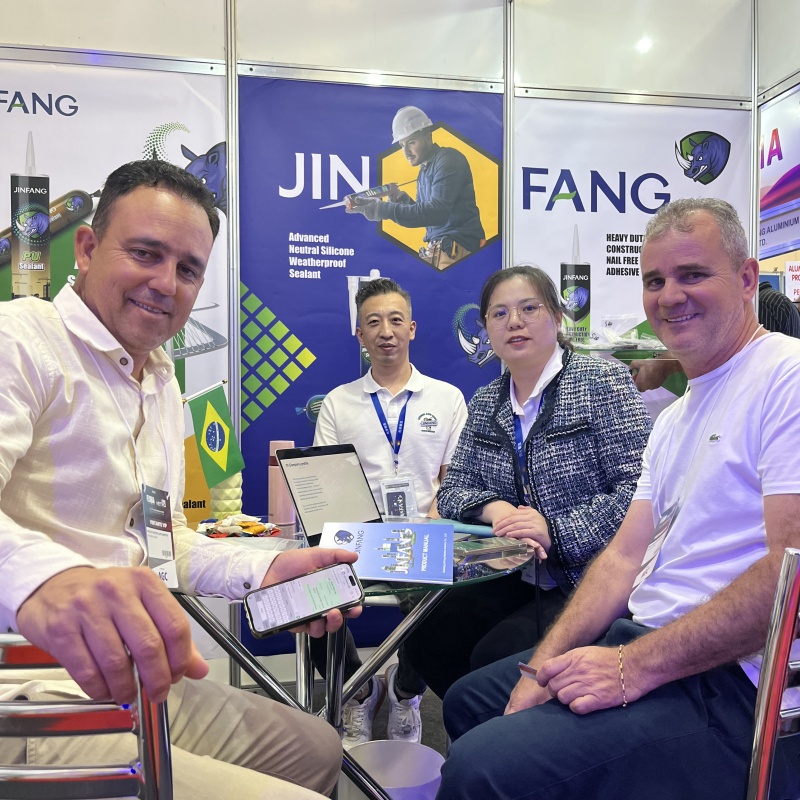
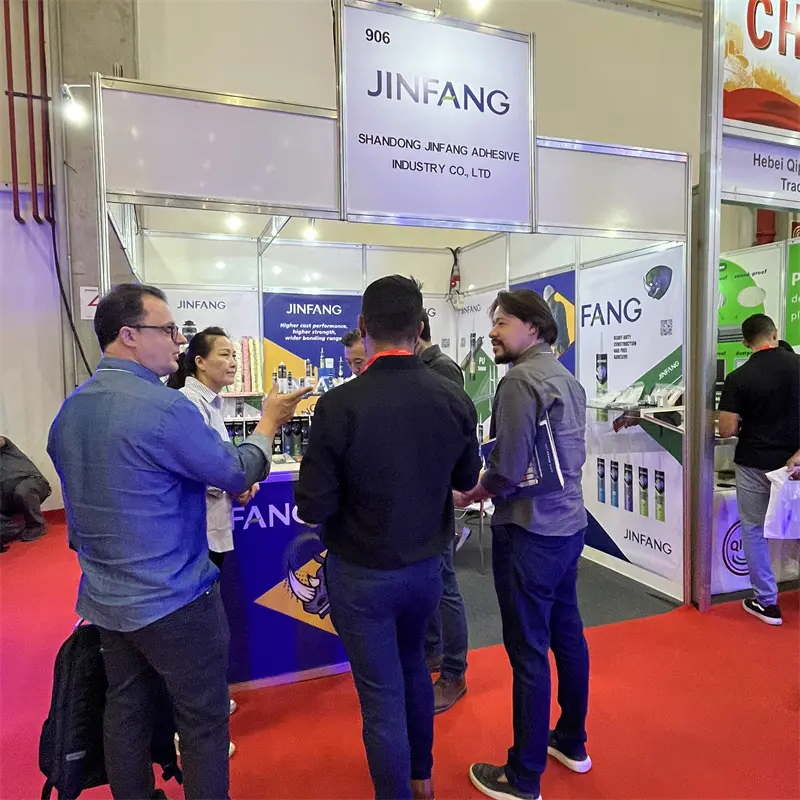
Translating your project specifications into stable, high-performance sealing products under your brand.
We provide reliable, high-volume production for partners with existing formulas. Our manufacturing lines meet your technical standards to ensure consistent product performance.
Our chemical engineering team modifies key sealant metrics—including cure rate, viscosity, color, thermal conductivity, and Shore A hardness—to match your application needs.
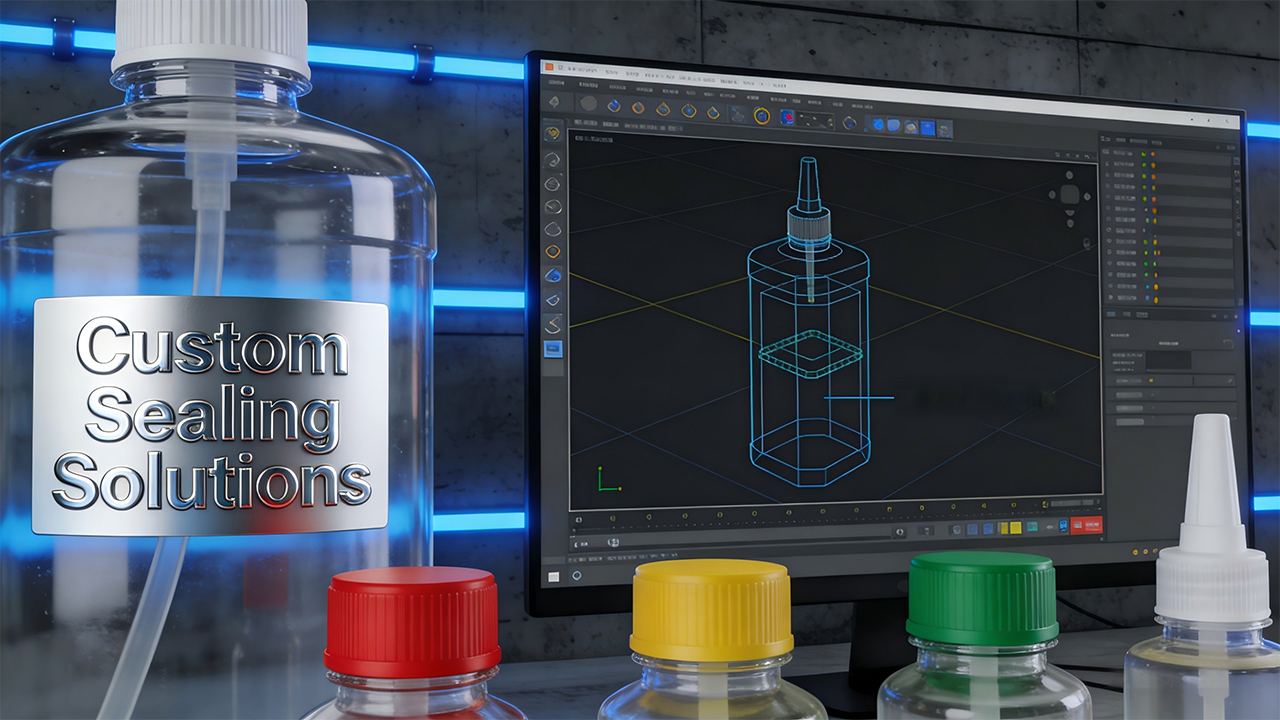
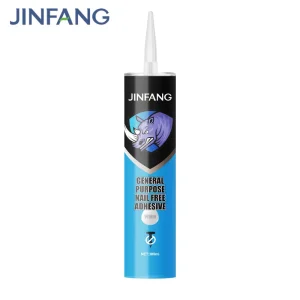
We support a variety of packaging formats, including 300ml rigid plastic cartridges, 600ml foil sausages, industrial drums, and customized squeeze tubes, complete with private labeling.
From architectural curtain walls to specialized industrial installations, our sealants are proven in demanding global projects.




Expert answers regarding temperature limits, chemical curing systems, and sourcing guidelines.
Standard high-temperature formulations withstand continuous temperatures of up to 260°C (500°F). Specially engineered formulations containing thermal stabilizers, such as those produced by Shandong Jinfang, can handle continuous exposure up to 300°C (572°F) and intermittent temperature spikes up to 350°C (662°F) without losing their mechanical or elastomeric properties.
Neutral cure silicone sealants release non-corrosive byproducts during curing, making them safe for sensitive metals, masonry, and electronics. Acetoxy silicones release acetic acid, which can corrode substrates like copper, steel, and concrete. Choosing the correct cure system prevents substrate degradation.
We use automated batch mixers and computerized formulation controls to manage the addition of polymers, fillers, cross-linkers, and catalysts. Each production run undergoes testing for extrusion rate, slump, shore hardness, and tensile strength before packaging.
We support custom cartridges, sausages, squeeze tubes, and bulk drums. Our graphics design team works with you to apply your branding, compliance information, and instructions directly onto the packaging via offset or screen printing.
Stored in cool, dry conditions below 27°C (80°F) in their original unopened packaging, our neutral sealants maintain a shelf life of 12 months, while our acetoxy formulas remain stable for up to 18 months.
Compare technical profiles, certifications, and application categories across our complete product catalog.
 Jinfang