Engineered for structural durability, high stability, and ultimate weatherproofing performance
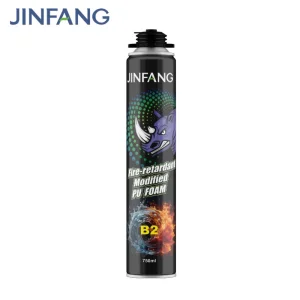
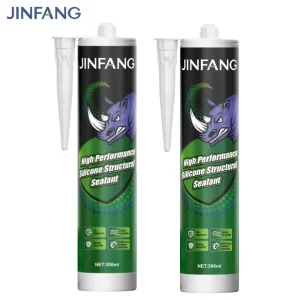
In high-stress thermodynamic environments, structural sealing is a primary paint point for design engineers. Red RTV (Room Temperature Vulcanizing) Silicone Sealant has emerged as the global industry benchmark for high-temperature applications. Curing at room temperature upon exposure to atmospheric moisture, Red RTV is chemically modified using thermal stabilizers—typically iron oxide—to resist temperatures ranging from -60°C to +315°C (+343°C intermittent exposure). Unlike conventional clear or black acetoxy silicones, Red RTV does not experience severe polymer chain degradation or brittleness when exposed to extreme thermal cycles.
This whitepaper details the design architecture, chemistry, manufacturing advantages, and macro-industrial solutions powered by Shandong Jinfang Adhesive Industry Co., Ltd., a premier Chinese manufacturer at the forefront of polymer science integration.
| Chemical Property | Red RTV Silicone Sealant Spec | Standard Silicone Sealant Spec | Testing Standard Reference |
|---|---|---|---|
| Base Polymer Chemistry | Polydimethylsiloxane (PDMS) with Fe2O3 | Polydimethylsiloxane (PDMS) | ASTM D1418 |
| Continuous Temperature Limit | 315°C (600°F) | 204°C (400°F) | ASTM C792 |
| Tensile Strength | ≥ 2.2 MPa | ≥ 1.5 MPa | ASTM D412 |
| Elongation at Break | ≥ 400% | ≥ 300% | ASTM D412 |
| Durometer Hardness (Shore A) | 30 - 45 | 20 - 30 | ASTM D2240 |
Red RTV formulation relies on a condensation-curing mechanism. When extruded from its airtight cartridge, the moisture-reactive alkoxy or acetoxy crosslinkers within the polymer formulation interact with ambient water vapor. This initiates a crosslinking process that releases acetic acid (or alcohol) as a byproduct, building a three-dimensional elastomeric matrix.
The addition of micronized iron oxide (Fe2O3) particles acts as a radical scavenger. At temperatures exceeding 200°C, polymer chains tend to undergo thermal depolymerization (commonly known as "unzipping"). The iron oxide stabilizers disrupt this mechanism by absorbing thermal energy and neutralizing free radicals, thus protecting the siloxane backbone (-Si-O-Si-) from oxidation. This maintains the flexibility and mechanical integrity of the cured rubber, preventing joint shrinkage or failure.
Bond energy of Si-O (460 kJ/mol) is higher than C-C (348 kJ/mol), giving it natural heat resistance before modification.
Iron oxide addition stabilizes polymer oxidation paths, shifting thermal decomposition thresholds up by 100°C.
Excellent depth-cure kinetics designed to perform in humidities from 30% to 80% without micro-fissure defects.
China produces a significant portion of the global raw silicon metal supply. This raw material security provides Chinese manufacturers like Shandong Jinfang Adhesive Industry Co., Ltd. with structural advantages in vertical integration, cost stabilization, and continuous supply chains. Strategic advantages include:
The applications for high-temp red RTV silicone sealants span several high-performance industries:
In modern engines, Red RTV is used for form-in-place gaskets (FIPG) on oil pans, valve covers, water pumps, thermostat housings, and transmission oil pans. It resists mechanical vibration, hot engine oils, coolant mixtures, and automatic transmission fluids (ATF).
High-temperature industrial ductwork, chimney flues, and commercial oven doors require sealants that maintain flexibility despite daily heating and cooling cycles. Conventional sealants crack, causing toxic gas leaks and energy loss. Red RTV creates a long-term gas-tight barrier.
From gearboxes in wind turbines to steam piping joints in power generation plants, the product's resistance to mechanical pressure and shear stresses prevents fluid leaks under difficult operating conditions.
Global procurement teams must balance unit costs, regulatory compliance (REACH, RoHS, ISO, EU IROS), and customization requirements. Shandong Jinfang Adhesive Industry supports custom formulations and designs:
Collaborate with Jinfang's engineering R&D team to develop high-performance sealants for your specific temperature, viscosity, and chemical resistance requirements.
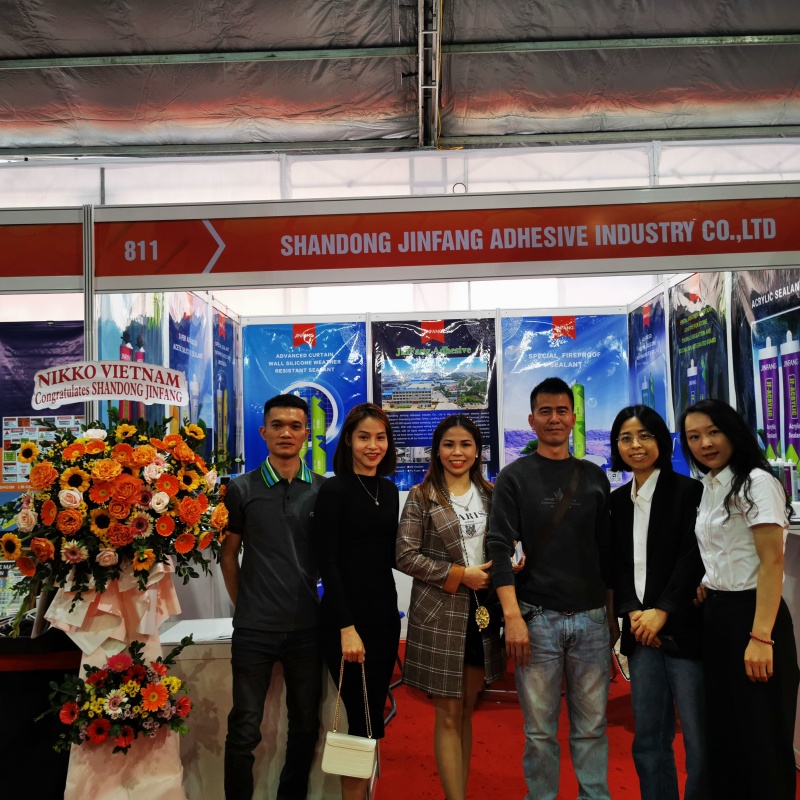
Strategically located in the heart of Shandong Province, a major industrial hub in China, we stand as a leading manufacturer specializing in the research, development, and production of high-performance adhesive and sealant products. With a steadfast commitment to innovation and quality, we have built a comprehensive portfolio that includes silicone sealant, PU Foam, MS sealant, nail-free glue, tile grout, and PU sealant.
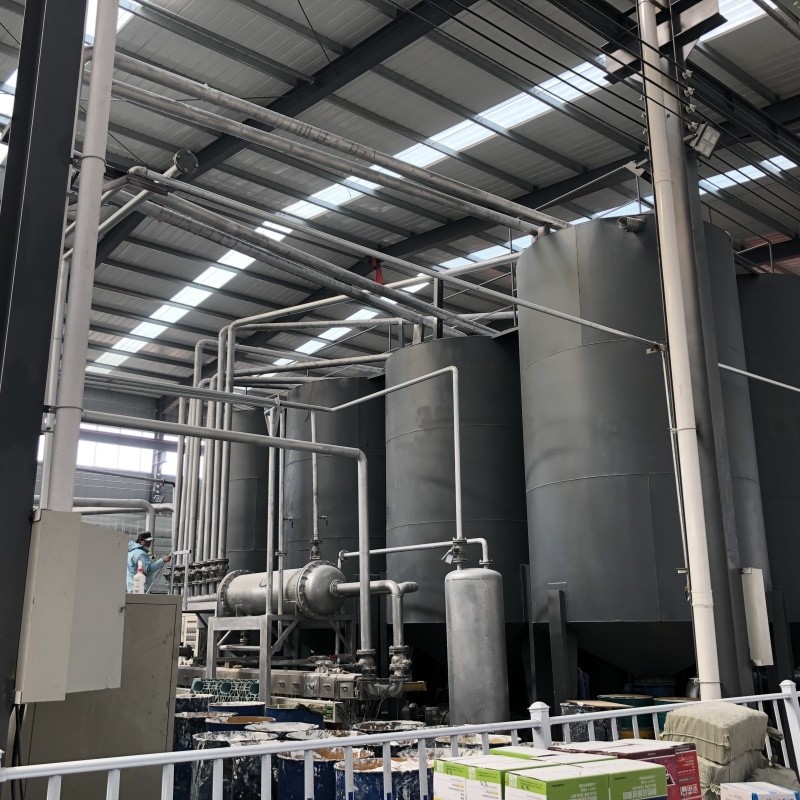
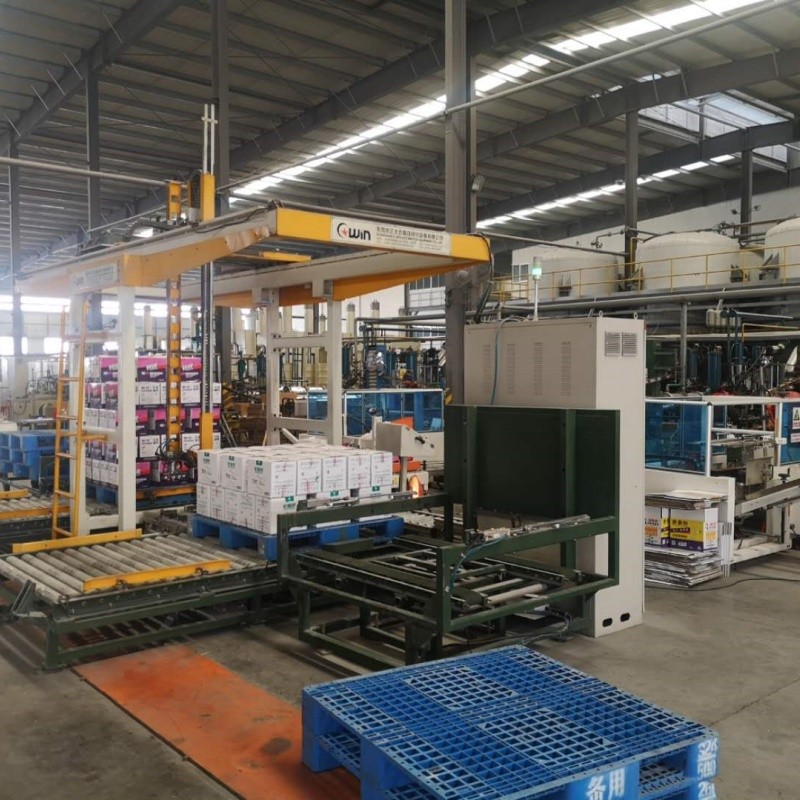
Our integrated manufacturing system encompasses precise raw material formulation, fully automated adhesive production, precision injection molding, and intelligent packaging. Supported by advanced equipment and intelligent process control, this system ensures consistent product quality. The company has obtained a series of enterprise and product certifications, including ISO 9001, ISO 14001, and the EU IROS.

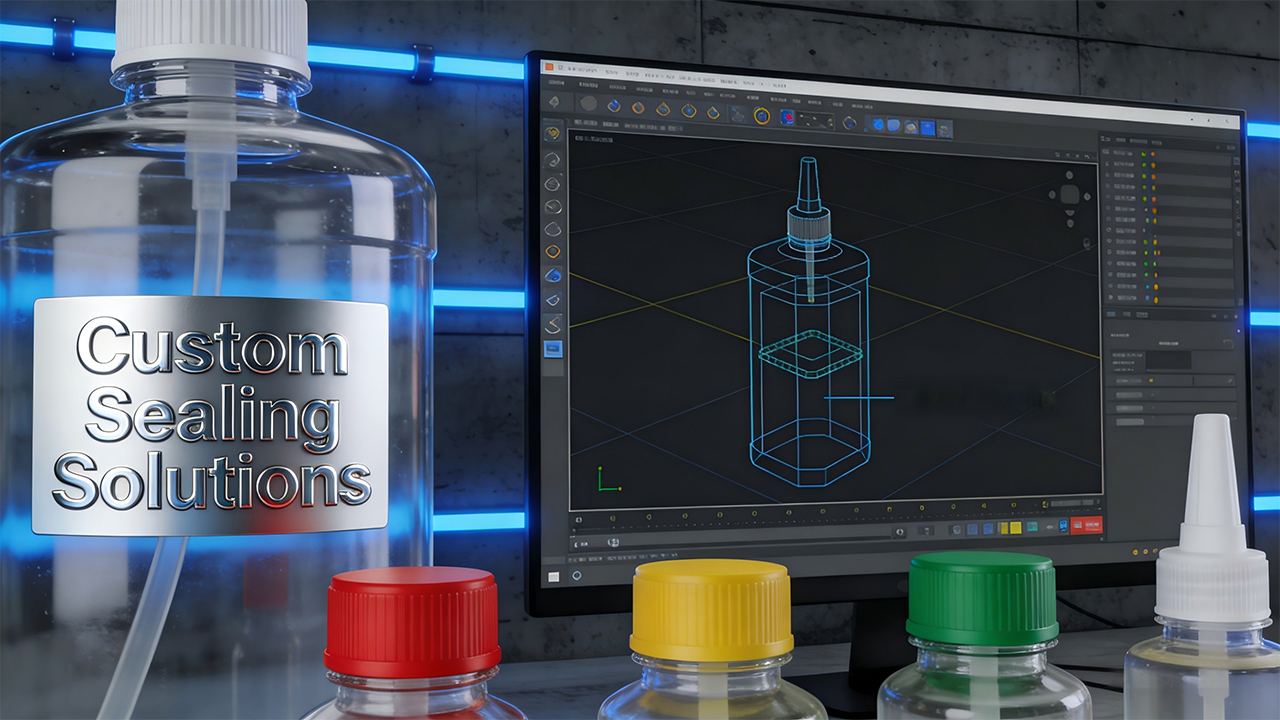

The technical foundation of Jinfang formulations delivers reliable performance in demanding environments.
High weather resistance against UV, heat, and moisture to protect compound bonds over long lifecycles.
Rigorous multi-point quality control from raw materials to final batch validation prevents failure rates.
Integrated supply chains and optimized energy footprint strategies provide reliable cost management.
Responsive custom development from formula adjustments to specialized package design support.
Translating client concepts into high-performance product reality through precise technical alignment

We supply the manufacturing infrastructure to turn your formulations into volume-ready, commercial-grade products under strict NDA agreements.

Modifying technical properties like viscosity, skin time, cure speed, and Shore hardness to match specialized processing environments.

A variety of packaging designs including foil sausages, hard tubes, drums, and small aluminum tubes to fit diverse dispensing equipment.
A visual reference of our technical capabilities, packaging systems, and structural testing operations
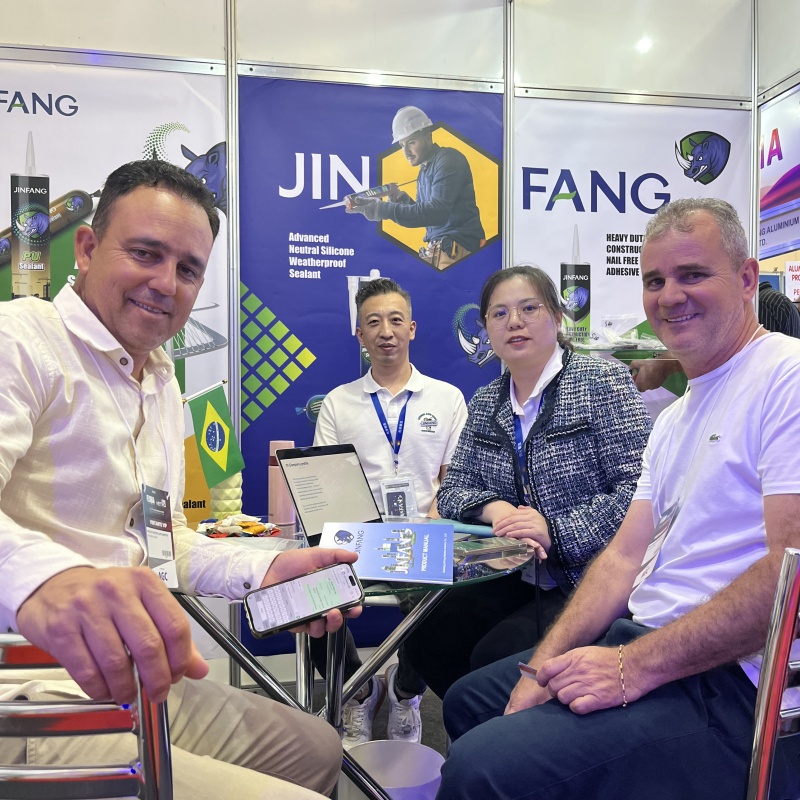
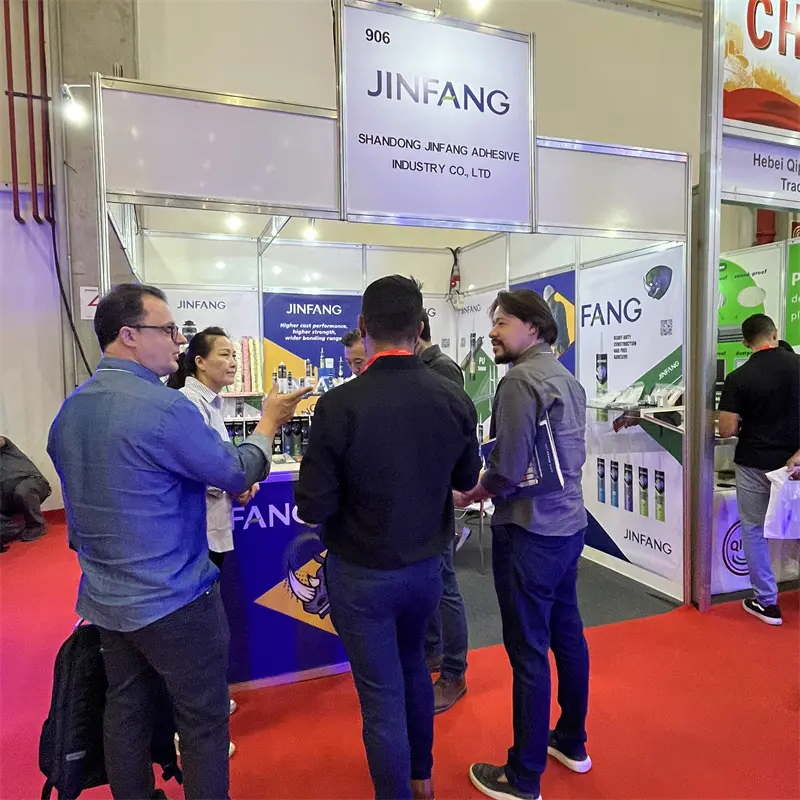
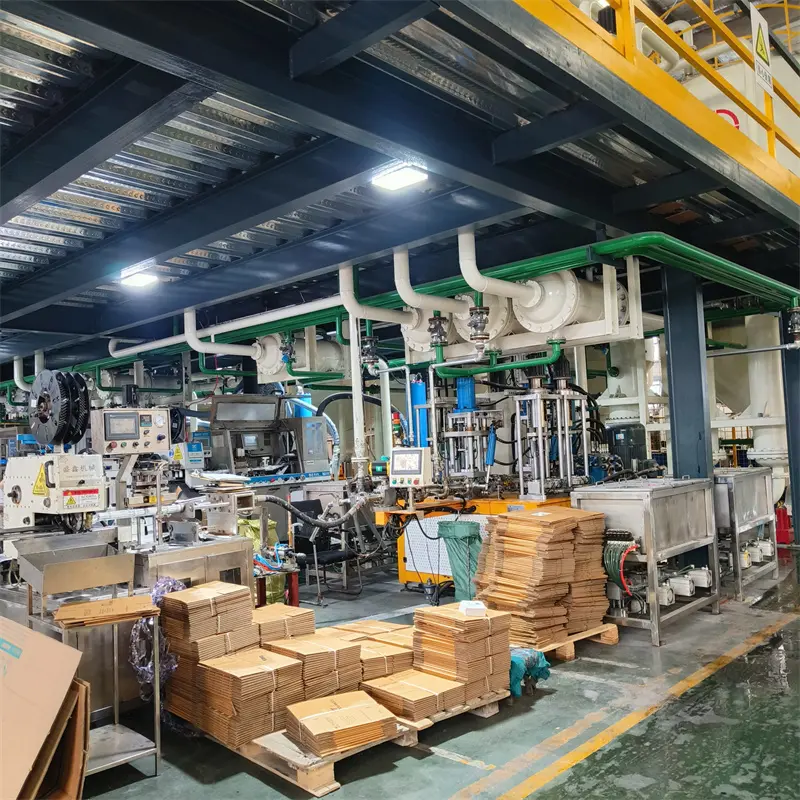
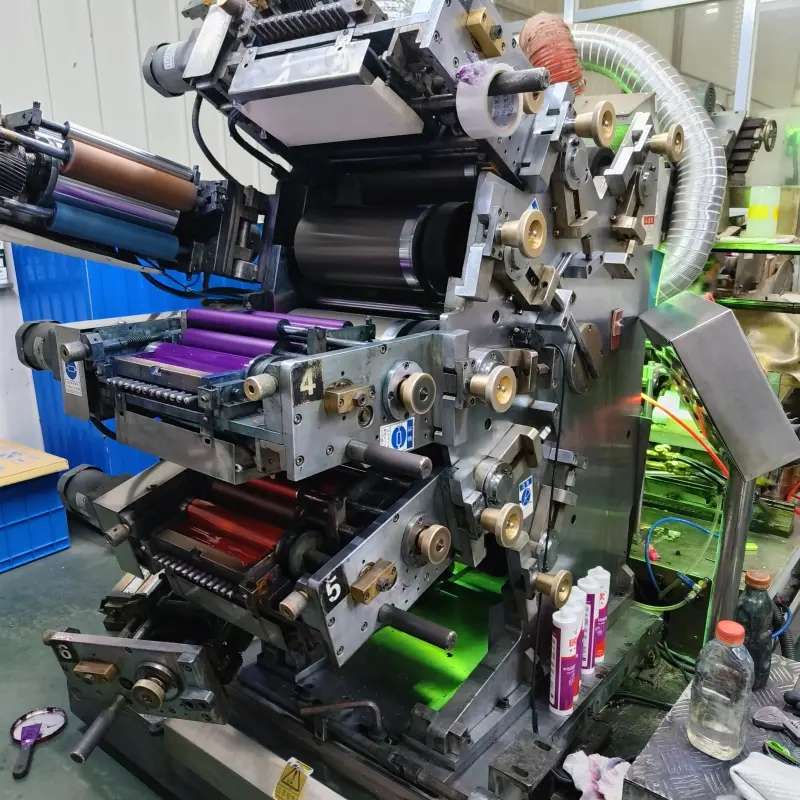
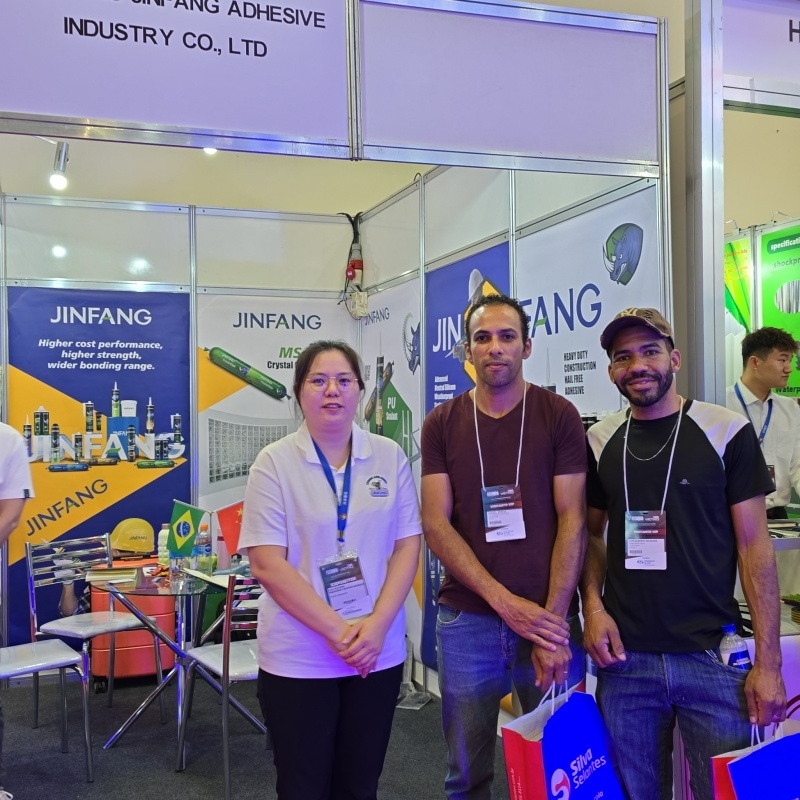
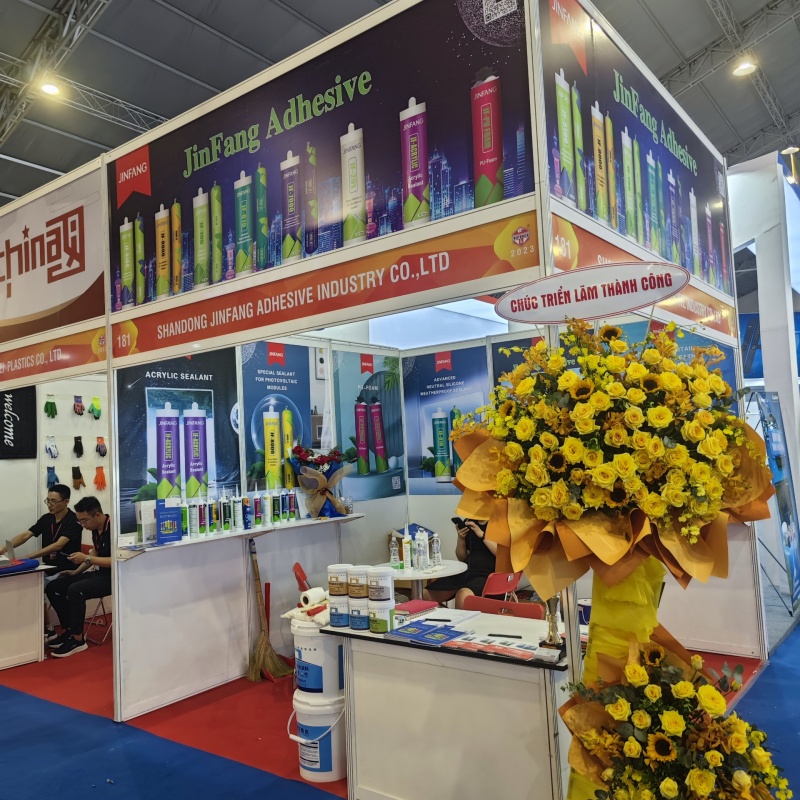
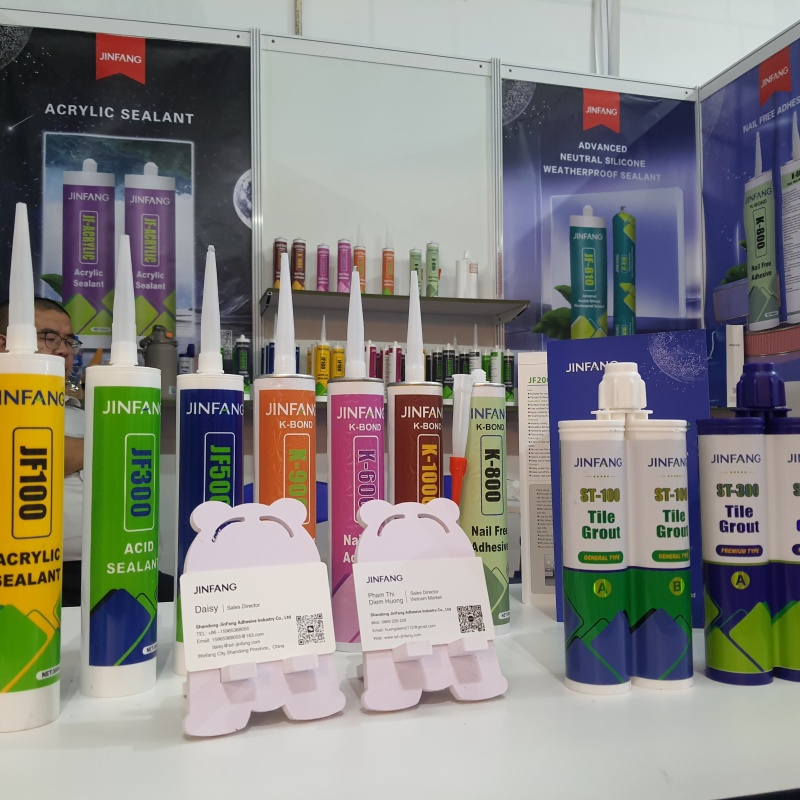
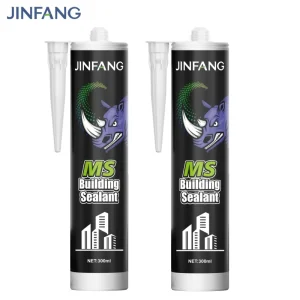
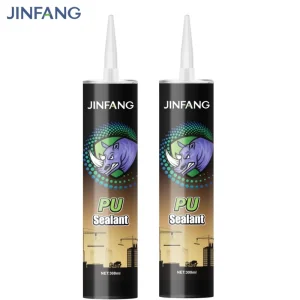
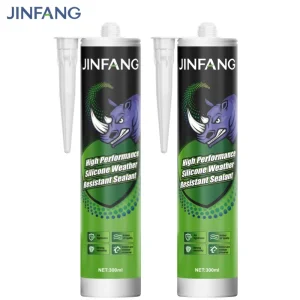
A comprehensive portfolio covering MS sealants, structural silicones, PU foam, and specialized grouts
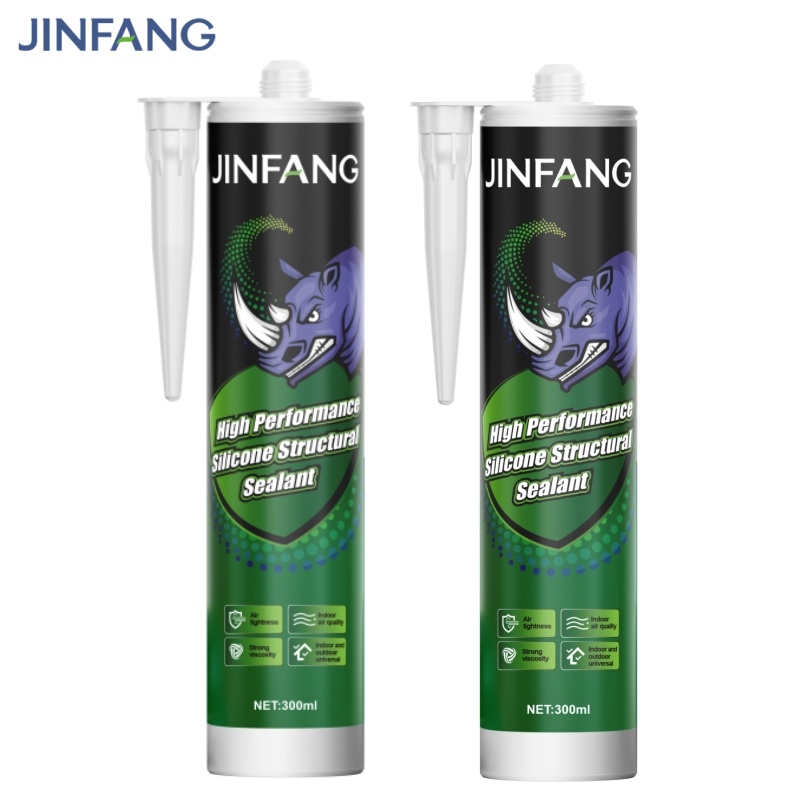
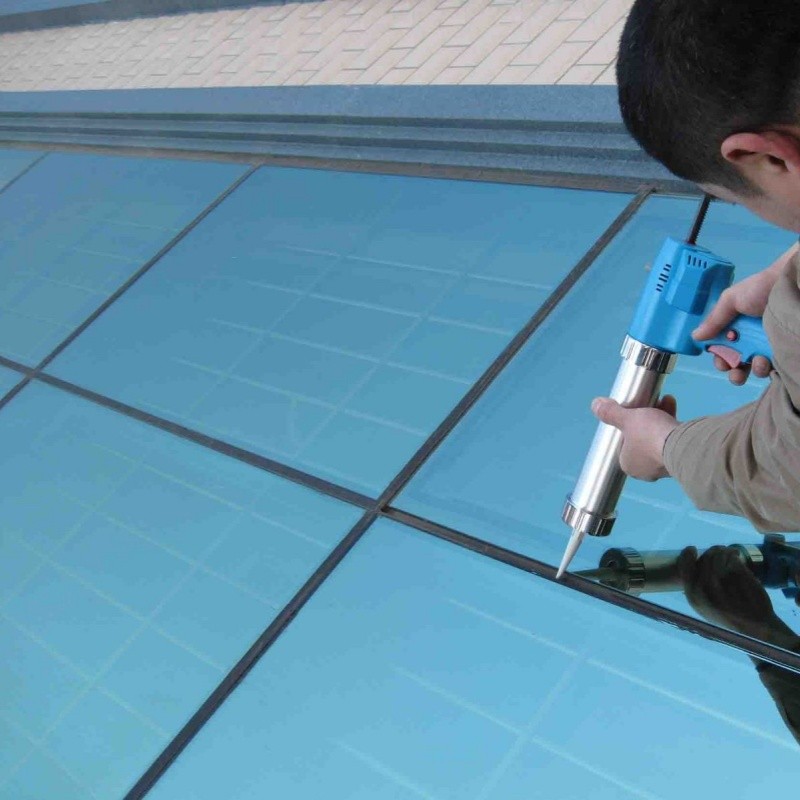
Engineered with structural load capabilities and UV weatherability, providing reliable glass structural glazing.
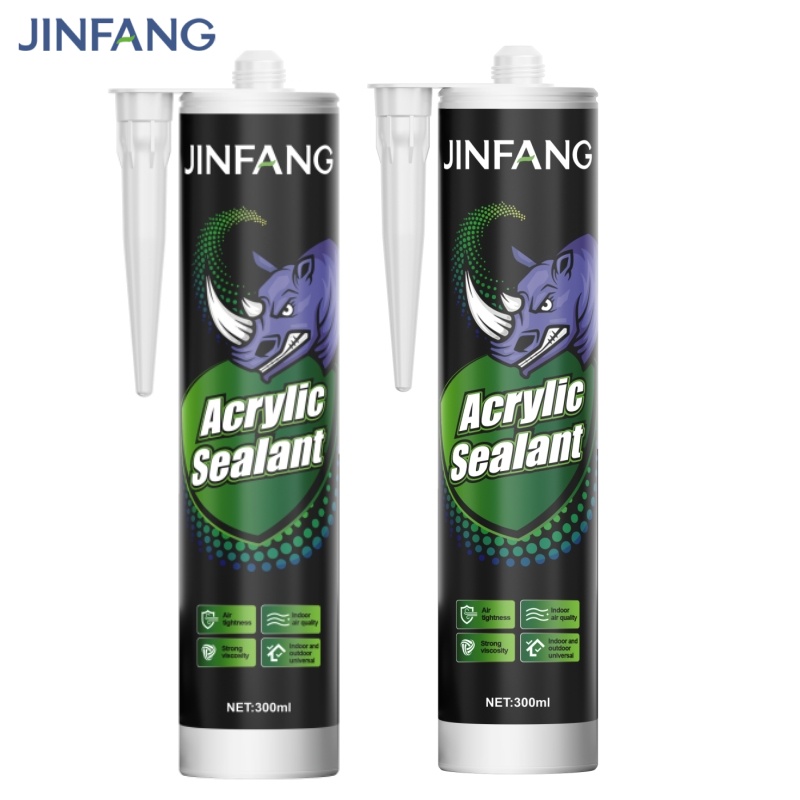
Low-odor internal perimeter joint sealant designed for gap filing prior to decorative painting applications.
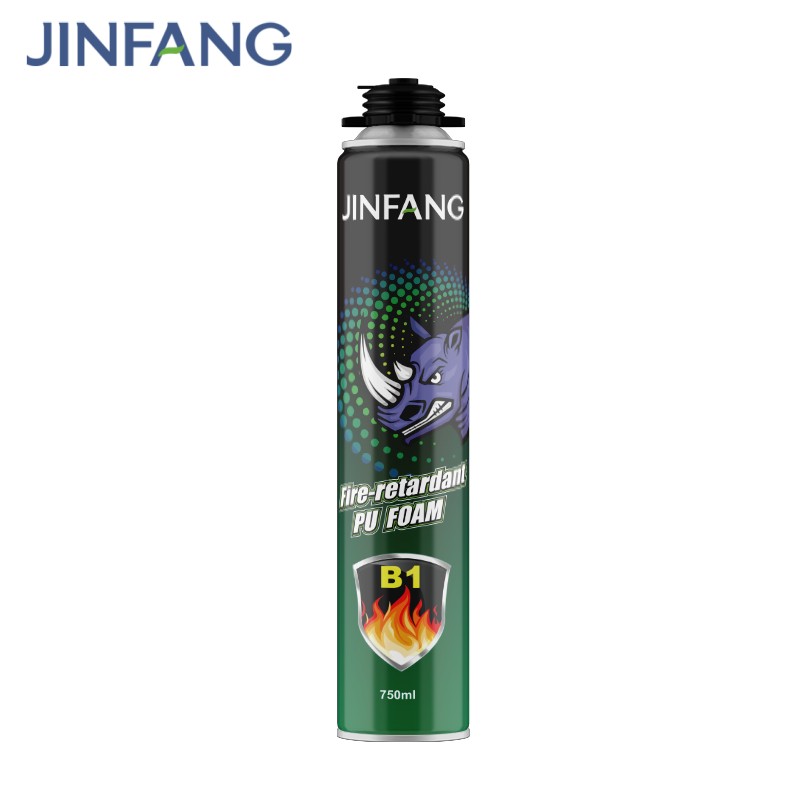
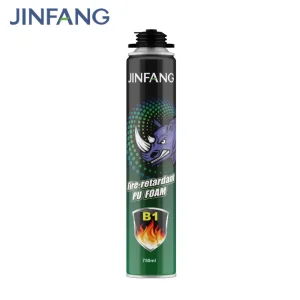
High-yield polyurethane expanding foam designed with fire-retardant chemistry to seal fire door assemblies.
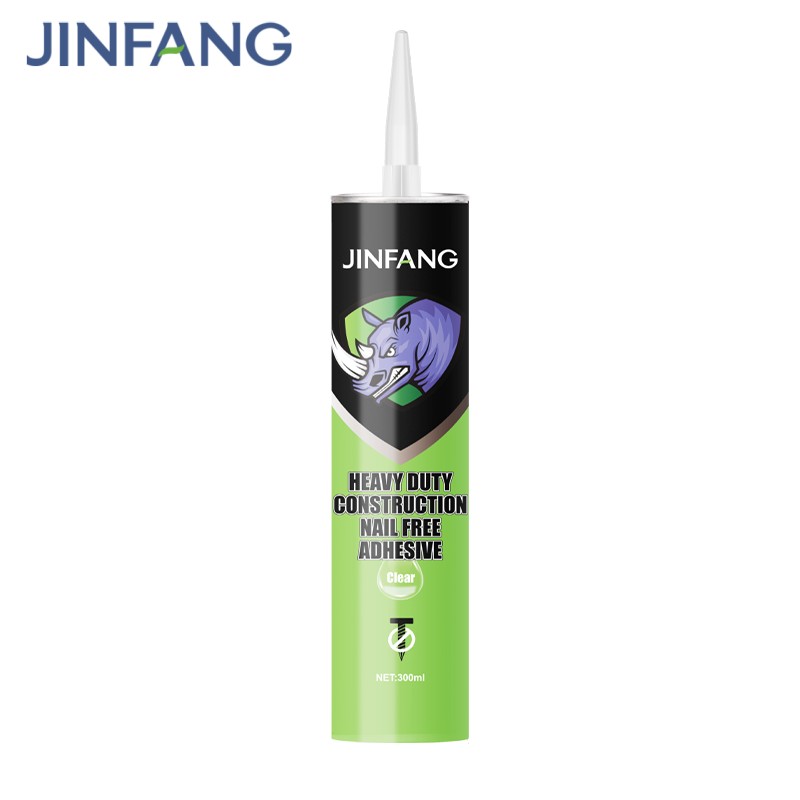
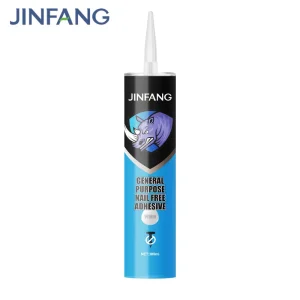
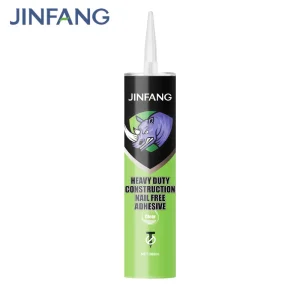
Ultra-high initial green-grab adhesive designed to bond drywall, wood, tile, and masonry without mechanical fasteners.
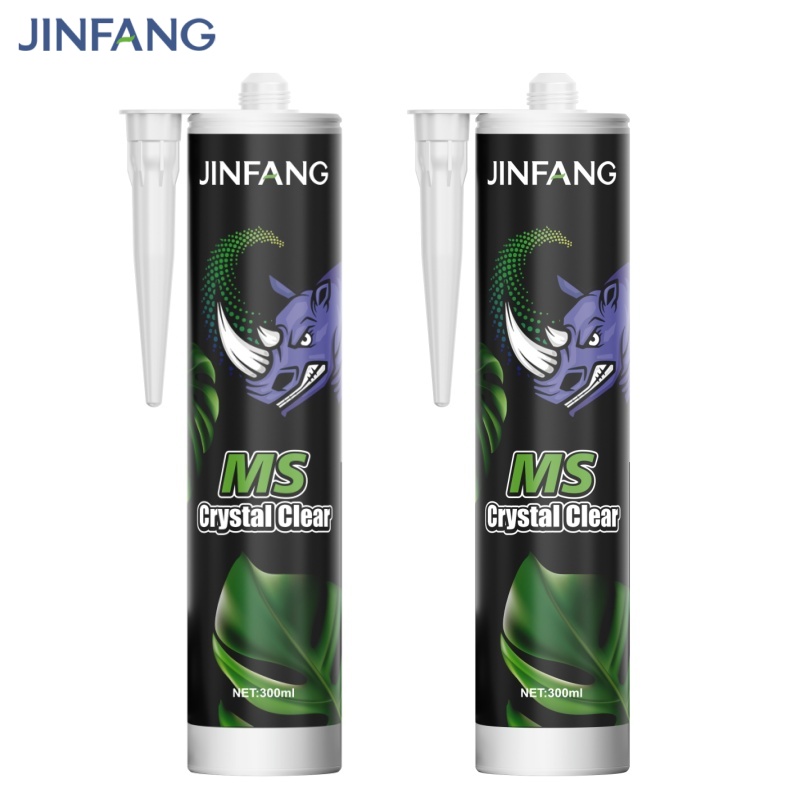
Non-staining, transparent modified silane hybrid polymer for invisible bonds on architectural glass facades.
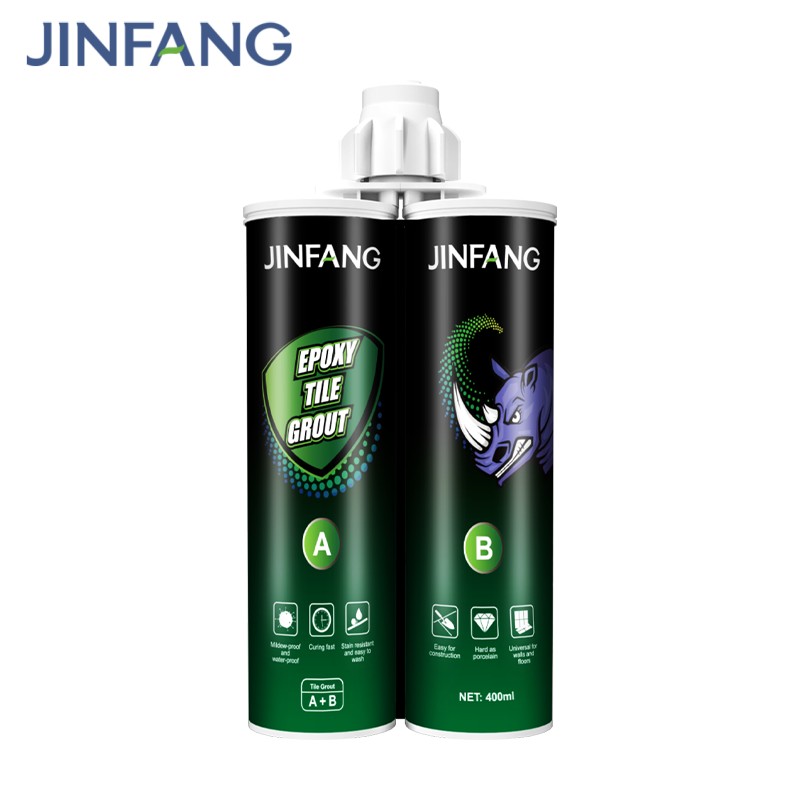
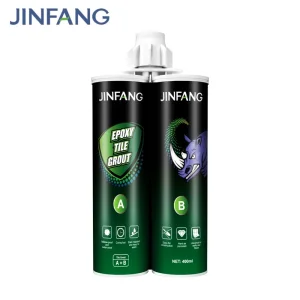
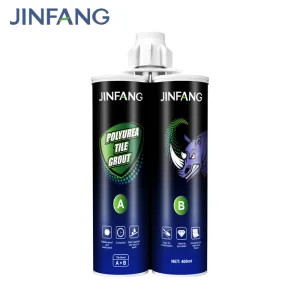
Chemical resistant, waterproof epoxy tile grout designed for heavy traffic commercial mosaic applications.
Reliable weatherproofing, structural sealing, and automotive engine assembly protection under high stress



Expert answers addressing chemistry, processing parameters, and industrial selection criteria
Connect with our engineering sales specialists for quotes, samples, and OEM packaging configurations.
 Jinfang