Engineered to meet international industrial standards for structural bonding, insulation, and environmental compliance.
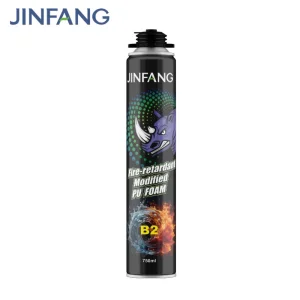
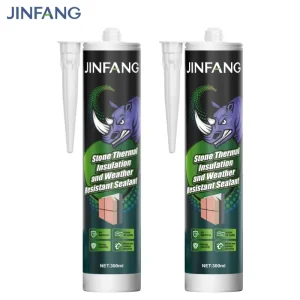
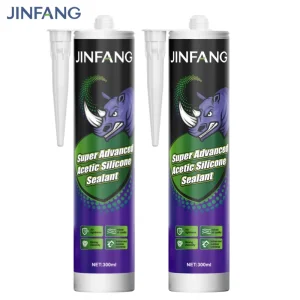
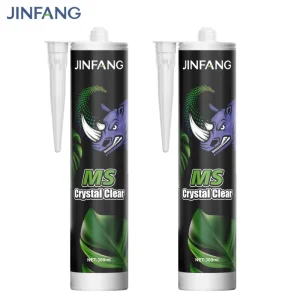
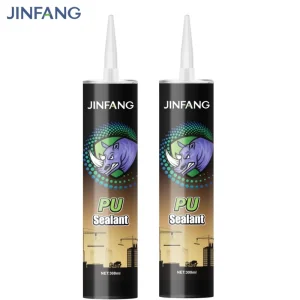
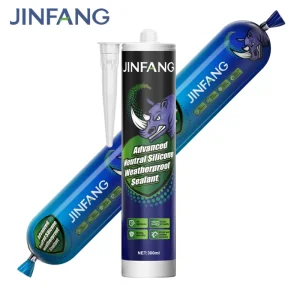
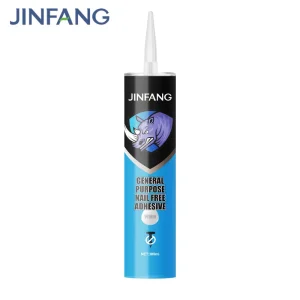
White latex glue, chemically categorized as a Polyvinyl Acetate (PVA) emulsion, constitutes one of the most critical adhesive backbones across global industrial sectors. Characterized by its eco-friendly water-based carrier system, high shear strength, and customizable drying kinetics, PVA-based adhesives remain indispensable. Geographically, North America, Western Europe, and East Asia drive the primary consumption of white latex glue due to massive manufacturing hubs in woodworking, paper conversion, consumer packaging, and localized building construction.
China has solidified its position as the global epicentre of white latex glue synthesis and export. Through advanced industrial clustering, integrated downstream access to Vinyl Acetate Monomer (VAM) supply, and heavily automated batch-compounding systems, Chinese factories achieve economies of scale and strict consistency metrics that regional manufacturers elsewhere struggle to replicate. As environmental regulations become globally standardized (such as the EU's REACH regulation and VOC thresholds), Chinese factories are investing heavily in cleaner production methods, solidifying their status as reliable supply-chain anchors for multinational distributors.
The white latex glue industry is undergoing a significant technological transformation, moving away from simple commodity-grade vinyl dispersions to smart, engineered macromolecular networks. Key trends dominating the development landscape include:
Standard homopolymer PVA is vulnerable to water degradation and thermal creep. Modern formulations utilize functional co-monomers (such as N-methylolacrylamide) or metal salt catalysts to trigger secondary cross-linking networks during the curing phase. This upgrades the adhesive to meet European Standard EN 204/205 D3 and D4 water-resistance criteria, making it suitable for exterior wood assemblies and marine environments.
Traditional phthalate plasticizers (e.g., DBP, DEHP) have been completely phased out due to reproductive toxicity concerns. Leading Chinese factories utilize bio-compatible alternatives, such as triacetin, citric acid esters, or epoxidized soybean oil, coupled with non-toxic polyvinyl alcohol protective colloids, achieving near-zero VOC profiles.
Incorporating nano-silica, cellulose nanocrystals (CNCs), or montmorillonite clay into the PVA emulsion increases both cohesive and adhesive strength. These nanoparticles act as stress-distributors within the dry glue line, drastically elevating the adhesive's thermal resistance (reducing creep under loaded stress at temperatures exceeding 60°C).
Industrial adhesives must be configured to withstand the localized environmental conditions of the destination market. A single formulation cannot satisfy both the high-humidity demands of tropical Southeast Asia and the extreme freeze-thaw cycles of Northern Europe.
Used as an admixture for cementitious mortars, plasterboard jointing compounds, and premium wallpaper applications. It enhances elastic deformation capacities and prevents substrate cracking in dry environments.
Requires specific rheology (shear-thinning characteristics) to prevent splattering on nozzle and roller applicators running at speeds above 300 meters per minute. Formulations prioritize ultra-fast set times (tack under 3 seconds).
Subjected to high mechanical loads and humidity fluctuations. Adhesive lines must maintain flexibility to absorb the natural expansion and contraction of solid woods without failing under shear load.
As industry regulations evolve, the trajectory of white latex glue manufacturing is prioritizing complete environmental neutrality, cross-polymerization efficiency, and AI-optimized manufacturing setups.
For B2B procurement officers, sourcing adhesive is not merely about finding a chemical; it is about establishing a reliable, predictable supply chain that guarantees consistent performance. Shandong Jinfang Adhesive Industry Co., Ltd. addresses this through a modular approach:
Your Trusted Partner in Advanced Sealing & Adhesives Solutions
Located in the industrial hub of Shandong Province, we specialize in the continuous research, formulation, and synthesis of premium-grade adhesives and sealants. Our R&D model is built on active collaborative partnerships with leading academic research institutions in China:
These academic integrations empower us to recruit top-tier chemical engineering talent, ensuring our chemical compositions remain at the cutting-edge of environmental and adhesive performance.
We provide extensive white-label and customized formulation solutions tailored to specific commercial markets. Our manufacturing pipelines are highly adaptable:
Exporting high-quality formulas to 36 countries across Europe, Asia, and South America.
Our optimized raw materials integration ensures delivery from order to shipping port within 15 business days.
A testament to our strict chemical consistency and customer-centric aftermarket technical support.
Our high-performance polymers excel under extreme industrial environments.
How we transform raw chemical compounds into engineered consumer products.
Bring your proprietary chemical recipes or raw parameters. We provide automated, large-scale chemical mixing and packaging facilities optimized for consistent output quality.
Stuck with standard catalog items? Our engineering team tweaks the solid content, viscosity, density, and tack time to match your exact applicator parameters and drying curves.
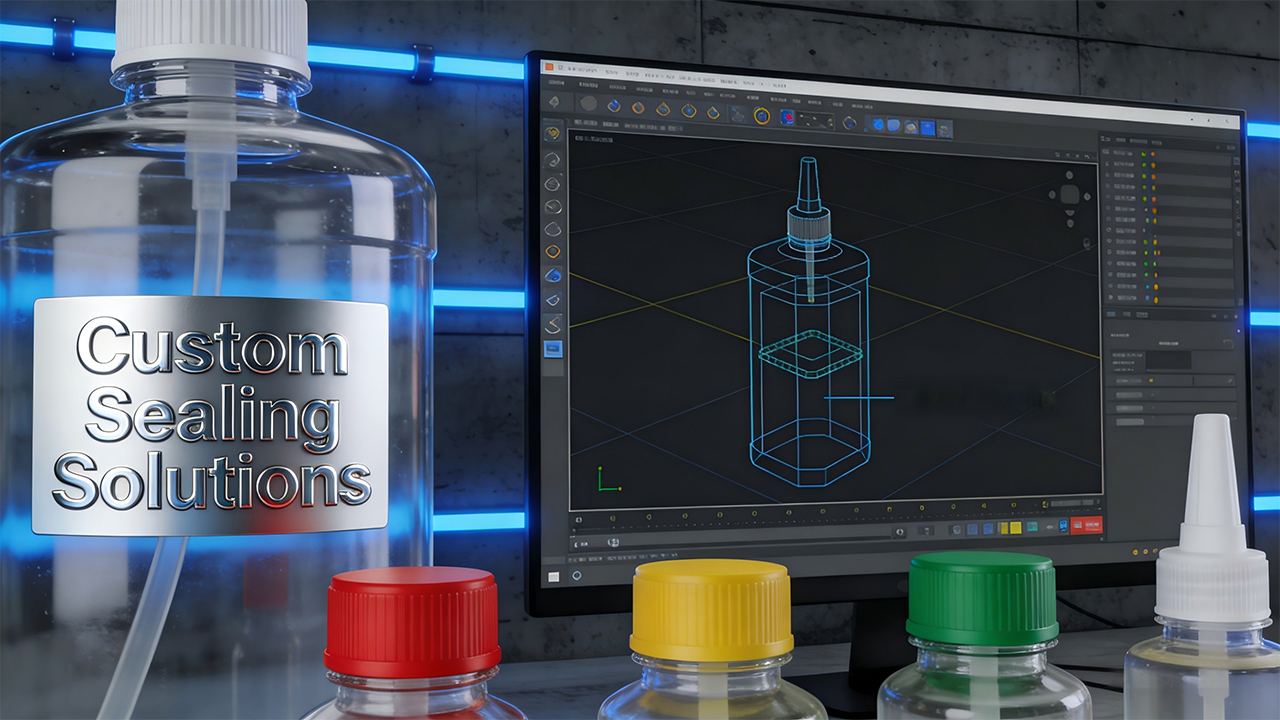
From aluminum tubes and cartridges to industrial sausages and plastic pails, we apply screen or offset prints directly on site for clear branding and dynamic layouts.
Technical responses to the most critical inquiries from global distribution partners and structural engineers.
Industrial-grade PVA adhesives feature a significantly higher solids content (ranging from 40% to 55%), which directly influences green tack, shear resistance, and drying rate. Additionally, industrial formulations contain specific co-polymers, plasticizers, and stabilizers that grant mechanical stability, resistance to freezing temperatures, and specific curing behavior under high-pressure presses, which is absent in standard consumer-grade products.
To achieve D3 water resistance, we modify the polymer base with self-crosslinking reactive monomers (such as N-methylolacrylamide). For D4 ratings, a two-part system is typically required, where an acidic catalyst (such as aluminum chloride) is mixed with the emulsion just before application. We test these parameters by soaking cured joints in cold water (for D3) and boiling water (for D4) for predefined durations to measure residual shear strength.
Water-based emulsions are susceptible to coagulation if the water phase freezes and forms ice crystals. We prevent this by introducing specialized freeze-thaw stabilizers (like propylene glycol) and adjusting the protective colloid (polyvinyl alcohol) density. This enables our emulsions to survive multiple freeze-thaw cycles (-10°C to 25°C) without experiencing phase separation or loss of structural bonding properties.
Yes. Traditional crosslinkers sometimes release trace amounts of formaldehyde during the curing reaction. We have developed a proprietary line of formaldehyde-free PVA adhesives that employ alternative eco-friendly crosslinking technologies. These formulations comply with rigorous international green standards, such as LEED, French VOC Class A+, and the EU Ecolabel, making them ideal for high-end residential interiors.
Under standard storage conditions (cool, dry environments between 5°C and 35°C in original sealed containers), our white latex glue has a typical shelf life of 12 months. Storage below 5°C should be avoided to prevent crystallization, and exposure to direct sunlight or temperatures exceeding 40°C must be avoided to prevent skinning and viscosity degradation.
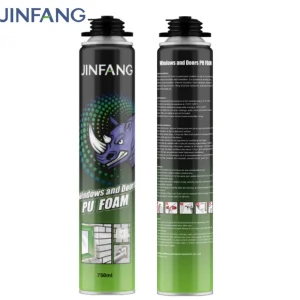
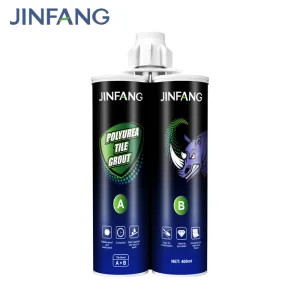
Explore our wider industrial catalog, spanning MS polymers, polyurethane foams, and tile grouting compounds.
 Jinfang