Explore our top-performing industrial-grade adhesives, sealants, and thermal insulating polymers manufactured for global distribution.
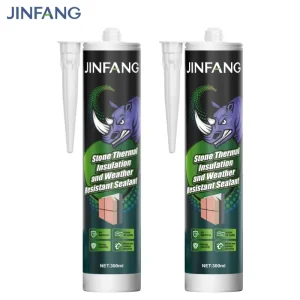
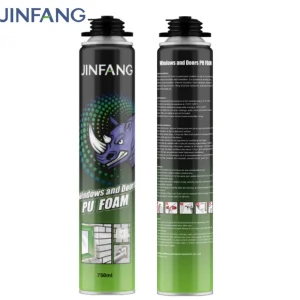
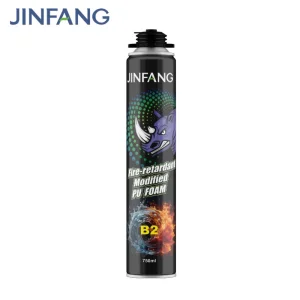
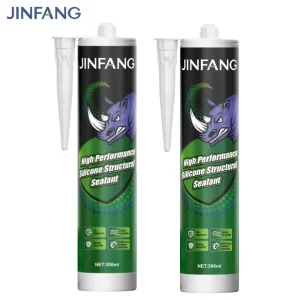
In the modern manufacturing landscape, industrial systems are subjected to increasingly harsh operational parameters, including higher mechanical stress, severe environmental exposure, and elevated temperatures. Consequently, the demand for advanced Room Temperature Vulcanizing (RTV) silicone sealants has transitioned from simple home improvement applications to highly specialized, critical engineering solutions.
Globally, High Temp RTV Silicone Sealants are recognized as crucial components in industries where standard organic polymer adhesives fail. Standard polyurethanes, acrylics, and epoxies degrade rapidly when exposed to temperatures exceeding 120°C, losing structural integrity, elasticity, and adhesion. In contrast, RTV silicone formulations featuring a highly robust siloxane backbone (alternating silicon-oxygen linkages) can withstand continuous operating temperatures ranging from -60°C up to +315°C (+600°F), with short-term intermittent exposure capability of up to +343°C (+650°F).
This exceptional performance has placed RTV silicones at the heart of key industrial sectors. In the automotive market, they are the preferred materials for high-temperature gasket making on engine blocks, oil pans, valve covers, water pumps, and thermostat housings. In heavy industrial machinery, they seal furnace viewports, industrial boilers, ductwork, and electrical heating elements. Furthermore, the rapid growth of the global renewable energy infrastructure, particularly solar energy assemblies, relies on RTV silicone to protect sensitive outdoor electronics from thermal fatigue and moisture ingress.

How Molecular Engineering Determines Sealant Performance Under Extreme Thermal Loads
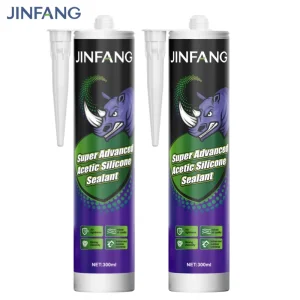
Historically the most common, acetoxy RTV silicones utilize moisture from the atmosphere to initiate cross-linking, releasing acetic acid (characterized by a vinegar-like smell). This system cures rapidly and forms exceptionally strong bonds on non-porous substrates like glass, aluminum, and glazed ceramics. However, because acetic acid can corrode sensitive metals (like copper, brass, and mild steel) or react with concrete, engineering-grade acetoxy silanos must be specified carefully.
For critical electronic potting, structural glazing, and gasket sealing on cast iron or steel surfaces, neutral cure systems are required. These release non-corrosive alcohol or oxime groups during the vulcanization process. They exhibit low odor, outstanding primerless adhesion to a wider range of porous and non-porous substrates, and exhibit higher resistance to thermal cycling.
To achieve high-temperature performance, manufacturers integrate special additives like iron oxide (giving the characteristic red color of high-temp RTV) or carbon black. These metal oxides serve as free-radical scavengers that block the thermal oxidative degradation of the polydimethylsiloxane polymer chains at temperatures above 200°C.
Strategically located in the heart of Shandong Province, a major industrial and raw-material cluster in China, Shandong Jinfang Adhesive Industry Co., Ltd. has evolved into a premier manufacturer of advanced sealing materials. Our production ecosystem is vertically integrated, meaning we control the process from raw-material compounding and molecular synthesis to custom cartridge injection molding and automated filling.
Our R&D infrastructure is supported by strong collaborations with prestigious academic institutions, including Shandong University, Xiamen University, and Linyi University. These joint laboratories allow us to recruit top-tier chemical researchers and engineer custom silicones at the molecular level, addressing real-world industrial challenges.
By integrating advanced computerized process controls with high-precision raw materials (such as high-surface-area fumed silicas and premium polydimethylsiloxane polymers), we ensure every batch of RTV sealant exhibits consistent viscosity, extrusion rate, and curing properties. Our manufacturing facilities are certified to international standards, including ISO 9001 and ISO 14001, and we strictly comply with environmental regulations such as RoHS, REACH, and the EU IROS framework.
Tailored Chemical Engineering and Brand Packaging Solutions for Global Distributors
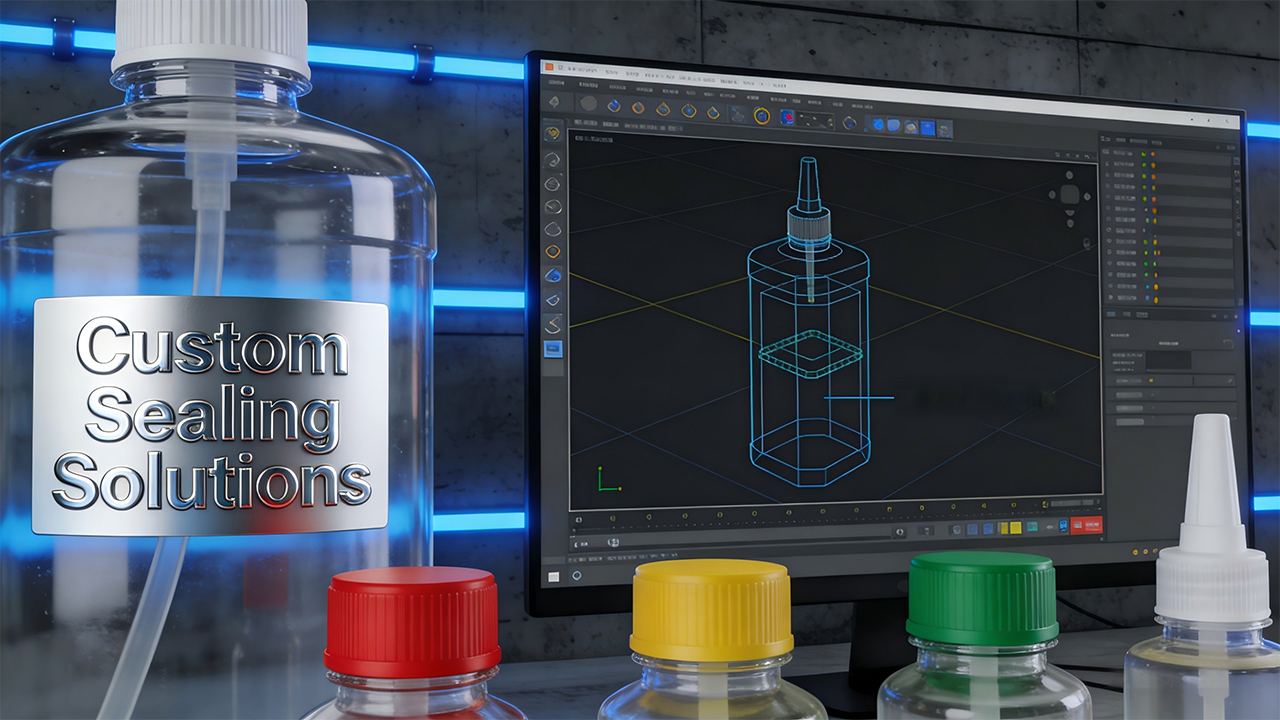
We customize physical and chemical properties to match your technical requirements. Whether you require higher thermal conductivity, specialized electrical resistance, specific cure rates, colors, or higher elongation at break, our laboratory team can modify our base siloxane networks to formulate exactly what your application requires.
We support multiple structural packaging systems, including standard 300ml rigid plastic cartridges, 590ml/600ml foil sausage packs, squeeze tubes for retail display (50ml to 85ml), and bulk drums (20L pails and 200L barrels) designed for robotic sealant dispensing machines on high-speed factory assembly lines.
We print your private labels in-house using offset and screen-printing technologies. Our designers ensure the packaging features compliant barcode configurations, multi-language instructions, hazard warnings, and safety certifications that meet regional requirements for EU, North American, South American, and APAC markets.
How RTV Silicone compares to alternate chemical technologies in industrial environments
| Polymer Base | Continuous Temperature Range | Elastic Recovery | UV & Weather Resistance | Primary Industrial Use Case |
|---|---|---|---|---|
| High Temp RTV (Acetoxy) | -60°C to +315°C | Excellent (>85%) | Outstanding | Automotive engine sealing, exhaust manifolds, heating duct joints |
| High Temp RTV (Neutral) | -60°C to +300°C | Outstanding (>90%) | Outstanding | Electrical potting, solar frames, corrosion-sensitive metal bonding |
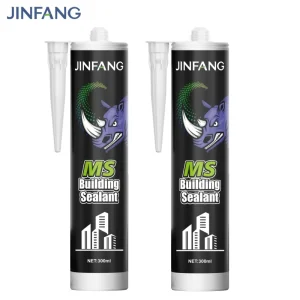
| Modified Silane (MS Polymer) | -40°C to +90°C | Good (>70%) | Very Good | Prefabricated concrete joints, paintable construction seams |
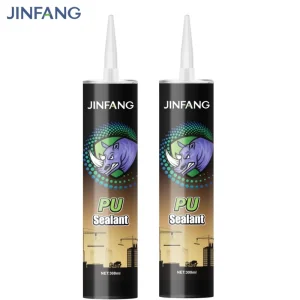
| Polyurethane (PU) | -40°C to +80°C | Excellent | Moderate (Degrades under UV) | Expansion joints in civil engineering, automotive windshield structural bonding |
| Acrylic (Water-Based) | -20°C to +75°C | Low (<40%) | Moderate | Interior gap sealing, wall joints, baseboard finishing |
Critical engineering challenges solved by our specialized RTV formulation range
Our Red High-Temp RTV Silcone acts as an on-site gasket maker. It offers excellent resistance to motor oils, gear fluids, transmission lubricants, and glycol-based coolants. By maintaining its elastic properties under continuous vibration and intense thermal expansion cycles (from cold winter starts to full operating engine heat), it prevents micro-leaks in valve covers, oil pans, water pumps, and thermostat assemblies.
In industrial kilns, commercial bakery ovens, heat exchangers, and industrial furnaces, mechanical joints must remain airtight to conserve energy and contain high-temperature gases. Standard gaskets degrade and shrink under continuous heat. Our RTV silicones cure into a tough, flexible rubber gasket that remains stable over years of service, sealing furnace door frames, high-temperature ductwork, and electrical heater terminal boxes.
Mining machinery, high-pressure pumps, hydraulic fluid reservoirs, and marine propulsion systems operate under high-temperature conditions and severe external exposure. Our sealants protect internal components from dirt, moisture, and saltwater, and prevent structural leaks under cyclic vibration, reducing maintenance downtime and increasing operational lifespans.
Technical answers to key queries on High Temp RTV Silicone procurement, application, and chemistry.
Review our full range of industrial polyurethane foams, structural adhesives, and specialty grout formulations
 Jinfang