Explore our high-performance product catalog, engineered to support seamless application, clean removal, and durable surface sealing.
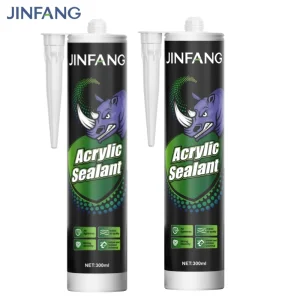
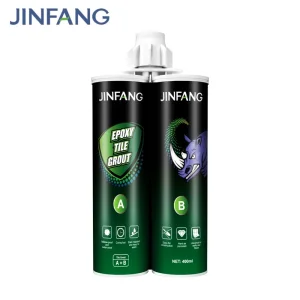
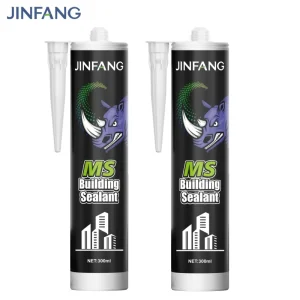
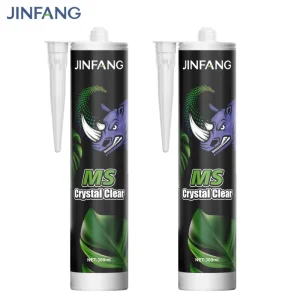
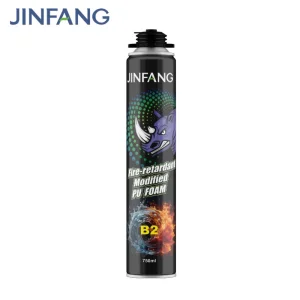
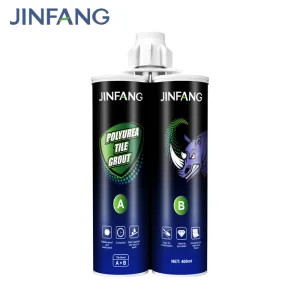
Strategically located in the heart of Shandong Province, a major industrial hub in China, Shandong Jinfang Adhesive Industry Co., Ltd. stands as a premier global manufacturer specializing in the research, development, and production of high-performance adhesive and sealant systems.
With an unwavering commitment to chemical innovation and stringent quality engineering, we have built a comprehensive portfolio that includes silicone sealants, PU Foam, MS sealants, nail-free glues, tile grouts, and PU sealants. Our products serve the construction and automotive sectors globally, solving complex challenges in weatherproofing, vibration damping, component bonding, and substrate restoration.

A comprehensive guide to chemical degradation mechanics, substrate cleaning, and factory-grade surface preparation.
Silicone sealants based on Polydimethylsiloxane (PDMS) chemistry are engineered for extreme durability. They exhibit remarkable cross-linking density, UV resilience, and thermal stability. While these properties make them excellent for structural glazing and architectural expansion joints, they pose a serious challenge when the sealant reaches the end of its functional life. Over years of exposure to environmental weathering, mechanical stress, and cleaning agents, the silicone polymer network undergoes gradual hydrolytic and oxidative degradation, leading to discoloration, loss of elasticity, and cohesive failure.
Replacing this degraded sealant requires complete removal. Simply applying a new bead of sealant over old, oxidized residue is a primary cause of premature joint failure. New silicone cannot form a covalent bond with the dynamic, contaminated surface of weathered silicone, resulting in zero adhesion, water infiltration, and structural compromise.
An effective removal methodology is split into two primary phases: mechanical ablation and chemical digestion.
Phase 1: Mechanical Excision. The bulk of the silicone joint is sliced out using specialized sealant cutters, pull-knives, or vibrating multi-tools. Precision is required to prevent gouging or scratching vulnerable substrates such as anodized aluminum, structural glass, or engineered stone. Mechanical removal, however, inevitably leaves behind a micro-thin, oily silicone film embedded within the substrate's micro-pores.
Phase 2: Chemical Digestion and Softening. To eradicate the micro-film, specific chemical agents are used to break down the cross-linked siloxane backbone. Standard organic solvents like mineral spirits or acetone only swell the silicone slightly but cannot break the polymer bonds. Advanced chemical softeners break the Si-O-Si bonds, reducing the tough elastomer to a rinsable gel. The table below compares these chemical approaches:
| Chemical Type | Reaction Mechanism | Substrate Compatibility | Safety & Environmental Profile |
|---|---|---|---|
| Acidic Digestants (e.g., sulfonic acid formulations) | Cleaves the siloxane bond via acidic hydrolysis. Rapidly digests silicone into soluble fragments. | Excellent for glass and ceramics. Corrosive to metals and concrete. | Requires strict PPE. Emits strong fumes, moderate VOC. |
| Alkaline Removers (e.g., potassium hydroxide blends) | Hydrolytically degrades the polymer backbone under high pH conditions. | Good for tiles. Damages natural stones and aluminum. | High corrosive potential, requires neutralizers post-application. |
| Organic Solvent Blends (e.g., terpene or d-limonene base) | Physical swelling and partial structural breakdown. Dissolves the residue physically. | Broad compatibility. Safe on most plastics and metals. | Eco-friendly, biodegradable, low toxicity, pleasant odor. |
The strategy for removing and replacing old silicone varies significantly depending on the local application scenario, environmental conditions, and structural requirements.
As a leading manufacturer based in Shandong, Shandong Jinfang Adhesive Industry leverages a highly integrated local chemical supply chain. Our manufacturing facilities are situated within a major Chinese industrial hub, granting direct access to raw siloxanes, plasticizers, and stabilizers. This proximity guarantees consistent quality and insulation from global supply chain shocks.
Through automated production, advanced quality control, and deep academic partnerships, we provide high-performance sealants and custom formulations at highly competitive price points. Our logistics network enables a rapid 15-day average order-to-shipment timeline, ensuring global distributors, contractors, and project managers maintain lean inventory cycles.
Modern construction demands compliance with green building standards and chemical regulations. Our formulation and manufacturing processes prioritize the reduction of Volatile Organic Compounds (VOCs), ensuring full compliance with stringent international standards such as REACH, RoHS, and LEED v4 certifications. We actively replace hazardous solvent systems with eco-friendly, bio-based alternatives, reducing the occupational and environmental impact during both installation and removal phases.
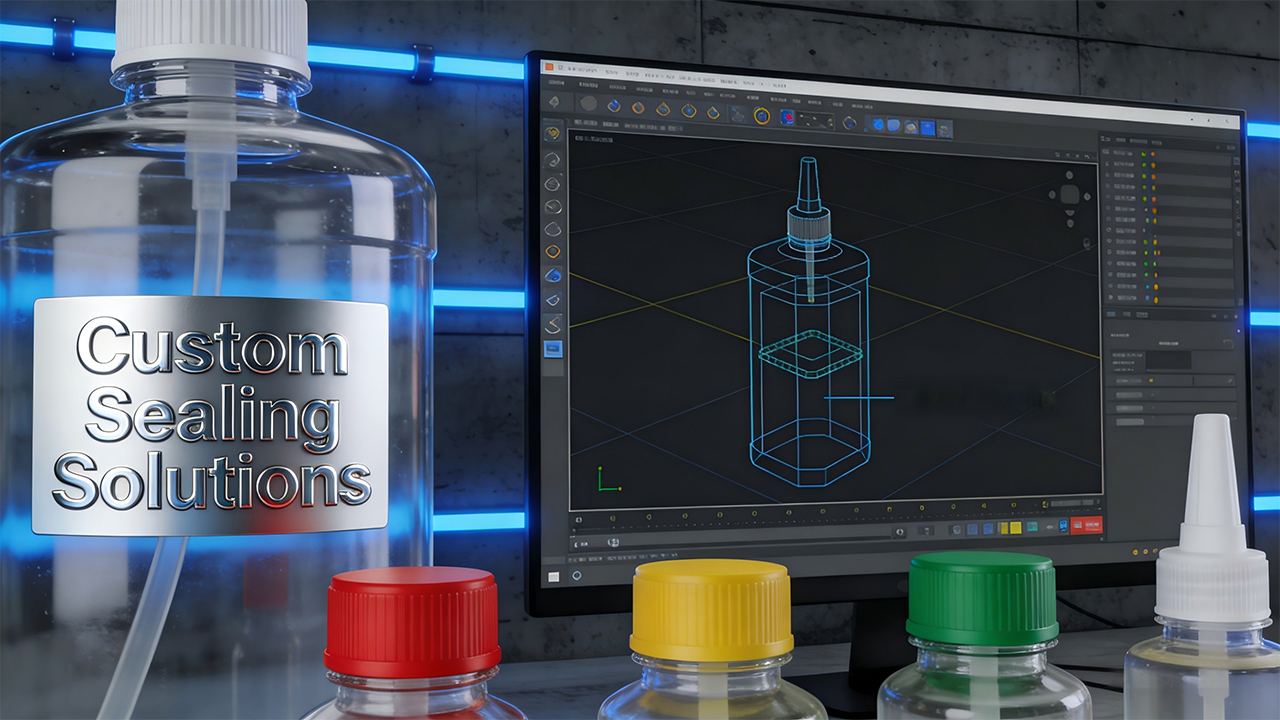
Understanding the diverse technical needs of our global clients, we offer flexible OEM and custom formulation services. Our technical teams modify curing speeds, mechanical properties, and packaging formats to match specific regional climates and project requirements.
Modify curing speed, physical properties (e.g., tensile strength, elongation at break), UV stability, and anti-fungal properties to suit your specific climate and site requirements.
We supply in various options, including sausages (foil packs), plastic/aluminum hard cartridges, industrial pails, and small tubes. Brand-specific color printing and custom labeling are available.
Collaborative R&D with university labs helps realize your custom formulas, ensuring high scalability and manufacturing consistency at low unit costs.
Engineered to deliver high performance in challenging environments.
Ensures structural integrity and weatherproofing in high-performance curtain walls. Delivers excellent resistance against high wind loads and UV radiation.
Dampens vibrations, seals components against fluids and air, and bonds automotive parts safely, maintaining flexibility under wide temperature ranges.
Fills expansion joints in concrete, facade systems, and interior floor layouts, accommodating structural movement and thermal shifts.
Answers to common industry questions regarding the removal of old silicone sealant and preparation for new sealant applications.
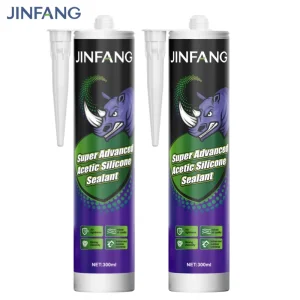
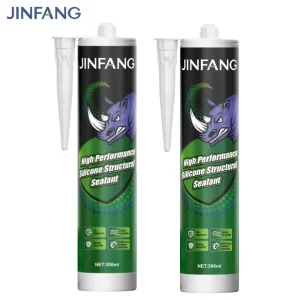
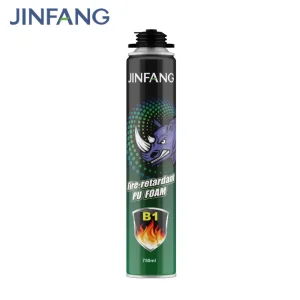
Our complete range of industrial products, engineered to meet the needs of international contractors and distributors.
 Jinfang