Explore our certified formulations engineered to meet international safety and performance standards.
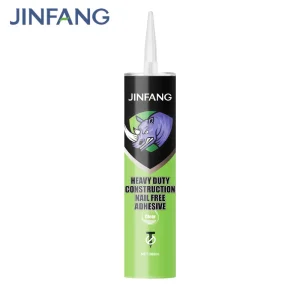
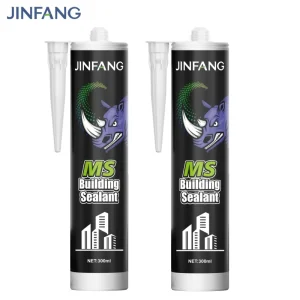
An Industry Whitepaper on Architectural Joint Design, Polymer Synthesis, and Long-Term Durability
At the center of high-performance architectural sealants lies the siloxane (Si-O-Si) bond backbone. Unlike carbon-carbon backbones found in polyurethane or organic sealants, the siloxane bond possesses a substantially higher bond energy (460 kJ/mol versus 348 kJ/mol). This configuration yields phenomenal UV radiation stability and temperature endurance, preventing polymer breakdown and cracking even under prolonged exposure to sunlight and harsh atmospheric ozone.
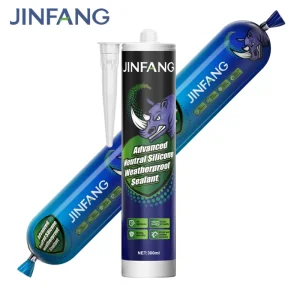
During installation, the sealant undergoes a cross-linking reaction upon contact with atmospheric moisture. For silicone joint sealants, this curing chemistry is fundamentally categorized into two main systems: Acetic Cure (Acidic) and Neutral Cure (Alkoxy or Oxime). Neutral curing sealants release non-corrosive byproducts, rendering them ideal for masonry, glass, metals, and concrete expansion joints where chemical neutrality is critical to prevent substrate oxidation.

Custom-engineered formulations matching the specialized performance criteria of architectural, civil, and automotive sectors.
Designed to bear structural wind loads, transfer structural stresses safely, and insulate curtain walls. Our two-component structural silicone sealant delivers superior high-tensile bonding strength with immediate curing optimization for commercial construction.
Concrete joints in bridges, highways, and building facades must survive major thermal shifts. Our MS building sealants and polyurethane joint fillers deliver excellent elastic recovery, resistance to standing water, and strong masonry adhesion.
For the vehicle assembly market, our adhesives provide robust dampening, component binding, and environmental sealing. Our high-viscosity formulations ensure windshields and auto glass are bonded securely, improving overall safety.
A leading Chinese manufacturer leveraging deep academic partnerships, advanced testing facilities, and robust supply chain integration.
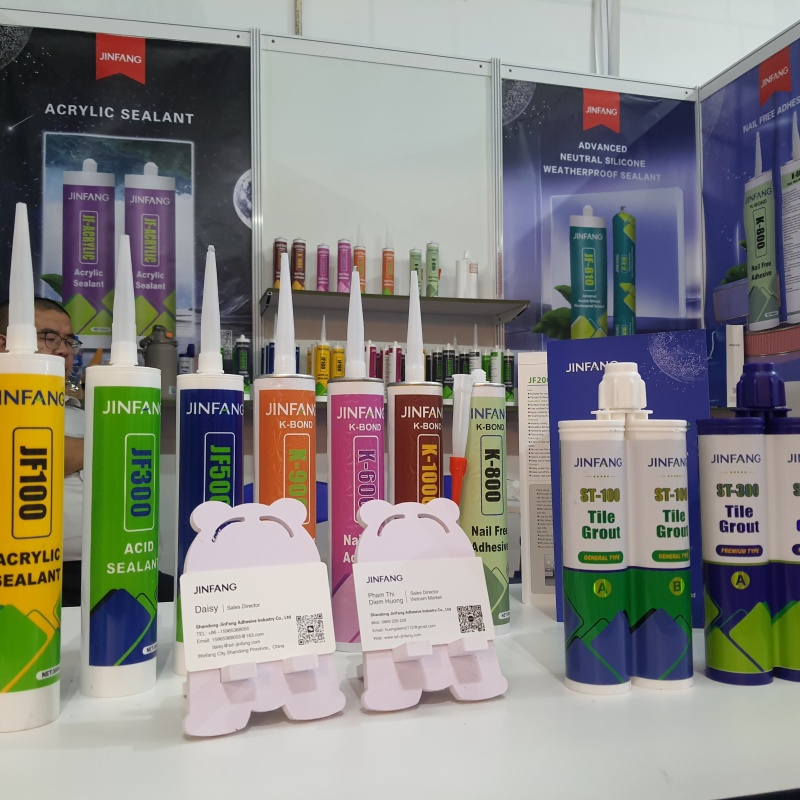
Based in the major industrial hub of Shandong, China, Jinfang operates a comprehensive R&D infrastructure. We maintain long-term research partnerships with leading Chinese institutions, including Shandong University, Xiamen University, and Linyi University. These joint research initiatives allow us to integrate advanced polymer technologies, recruits top chemical engineers, and continuously optimize our raw materials for weatherability and bonding performance.
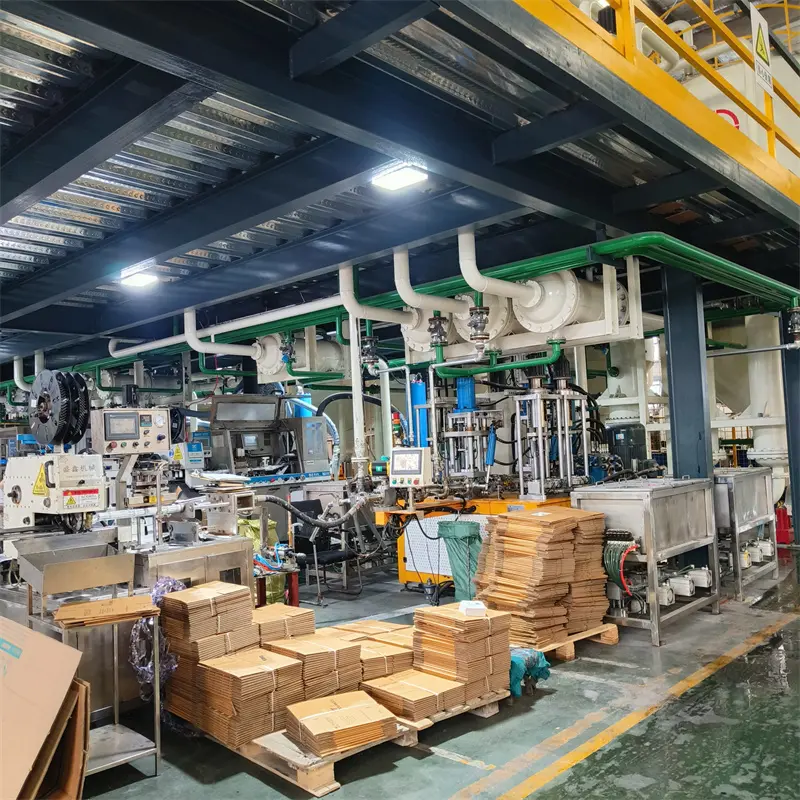
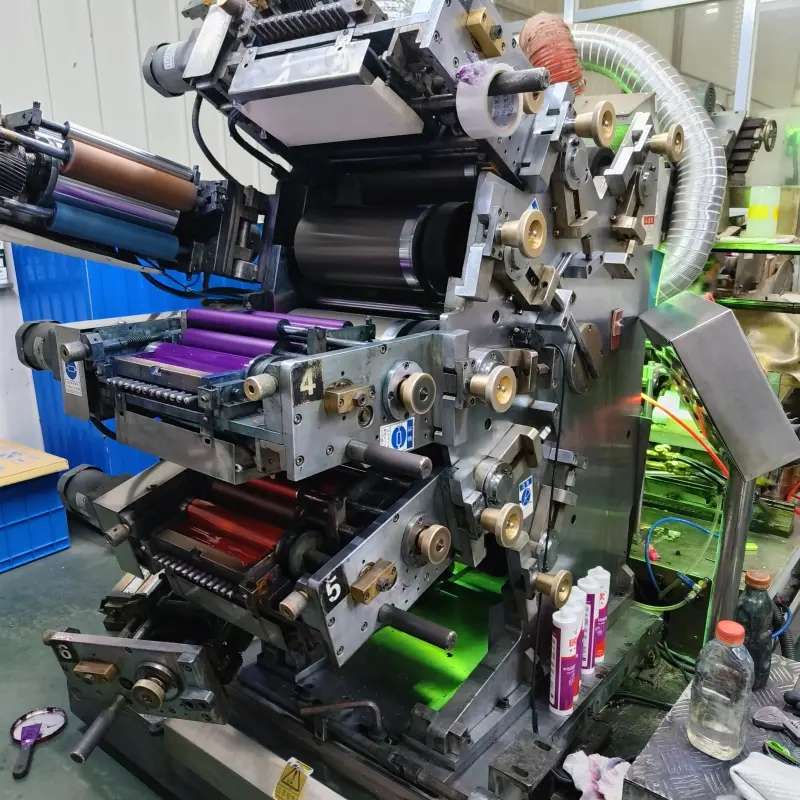
Our facility uses automated continuous compounding lines, high-precision injection molding, and digital quality monitoring. By controlling the entire manufacturing pipeline from base siloxane compounding to tube printing, we maintain excellent quality stability and competitive cost structures.
A reference guide to selecting the correct chemical formulation based on substrate, exposure, and mechanical load.
| Sealant Type | Curing System | Movement Capacity | Primary Substrates | Key Performance Strengths |
|---|---|---|---|---|
| Neutral Silicone | Alkoxy / Oxime (Neutral) | ±35% to ±50% | Glass, Aluminum, Masonry, Steel | UV stable, non-corrosive, extreme temperature resistance |
| Acetic Silicone | Acetoxy (Acidic release) | ±20% to ±25% | Non-porous glass, glazed tiles, ceramics | Rapid surface curing, high clarity, economical glazing |
| MS Polymer (Silyl-Modified) | Moisture Curing Hybrid | ±25% to ±50% | Concrete, wood, metals, plastics | Over-paintable, low VOC, non-staining on natural stone |
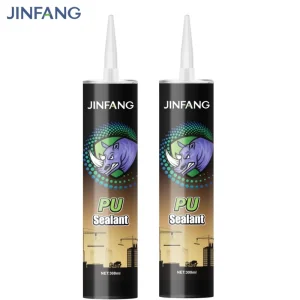
| Polyurethane (PU) | Isocyanate Prepolymer | ±25% | Concrete joints, fiber-cement panels | Excellent tear resistance, paintable, high mechanical strength |
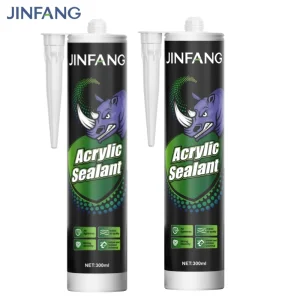
| Water-Based Acrylic | Evaporative Drying | ±7.5% to ±12.5% | Plasterboard, brickwork, interior timber | Low VOC, paintable, easy cleanup, ideal for internal joints |
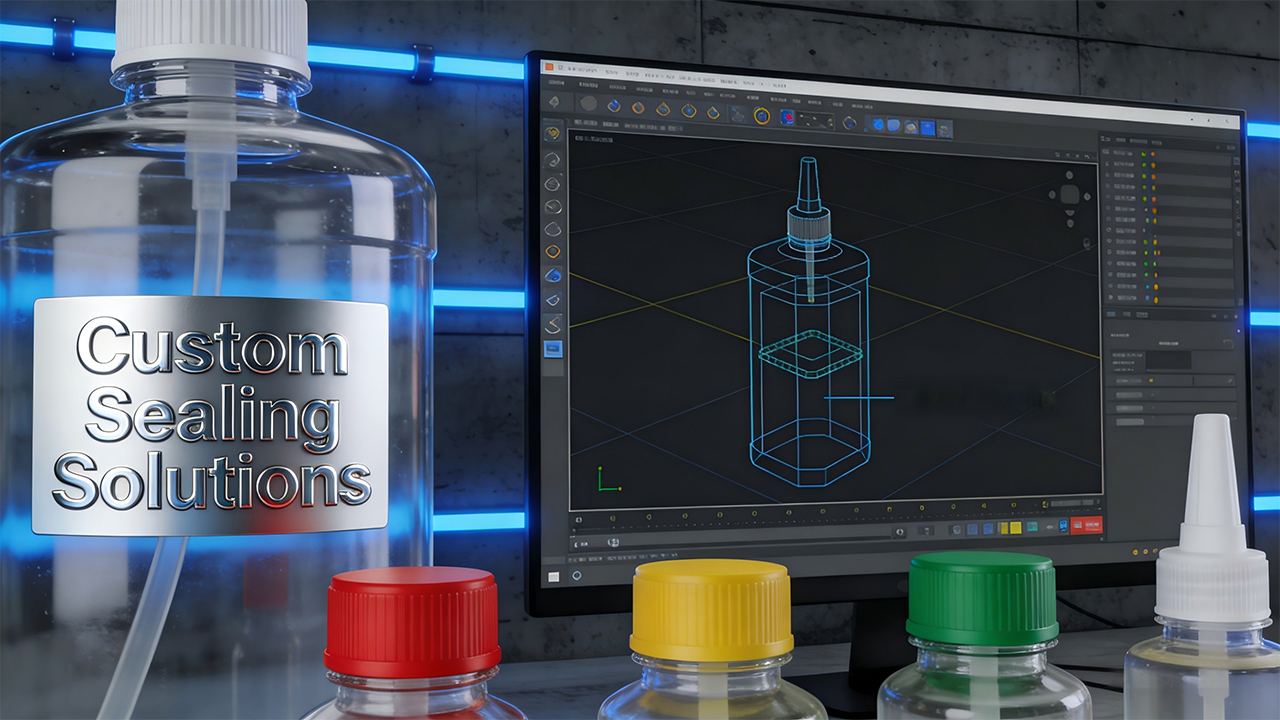
Providing customized chemistry, packaging design, and logistics solutions for global distributors, brands, and contractors.

We recognize that global purchasers encounter distinct logistical, environmental, and regional compliance standards. To address these demands, Jinfang provides clear, end-to-end OEM and customization services, helping your brand capture local markets rapidly and cost-effectively.
All products undergo strict testing protocols and hold internationally recognized certifications, including ISO 9001, ISO 14001, and EU IROS, ensuring reliability and compliance across diverse regional markets.


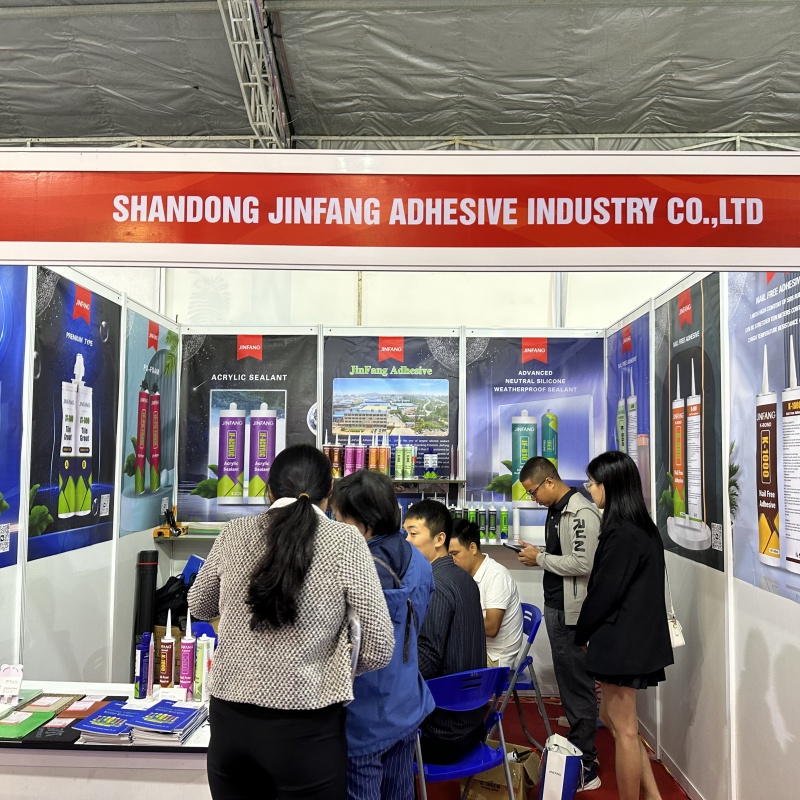
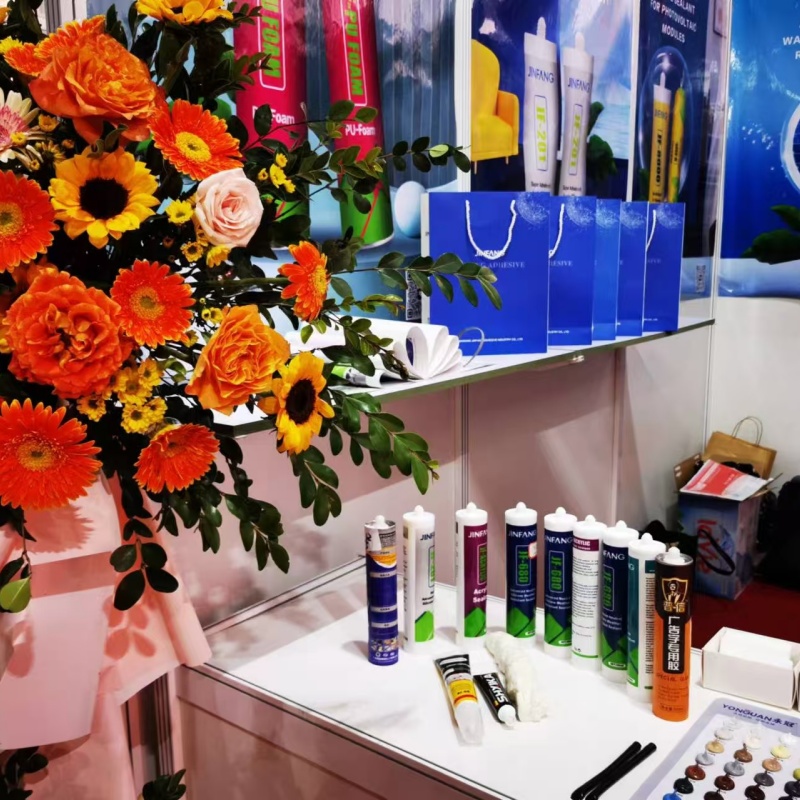
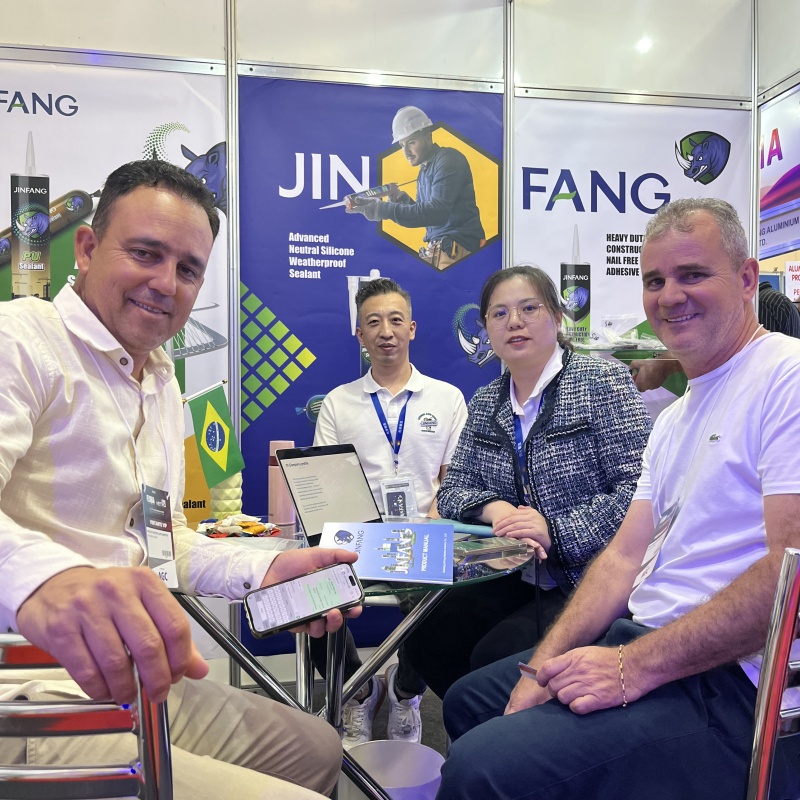
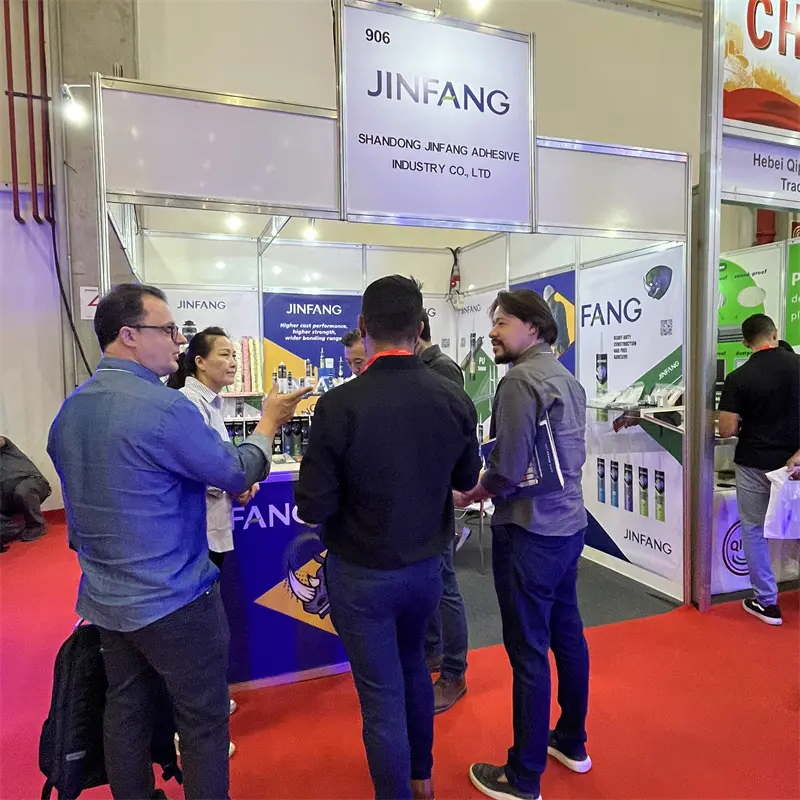
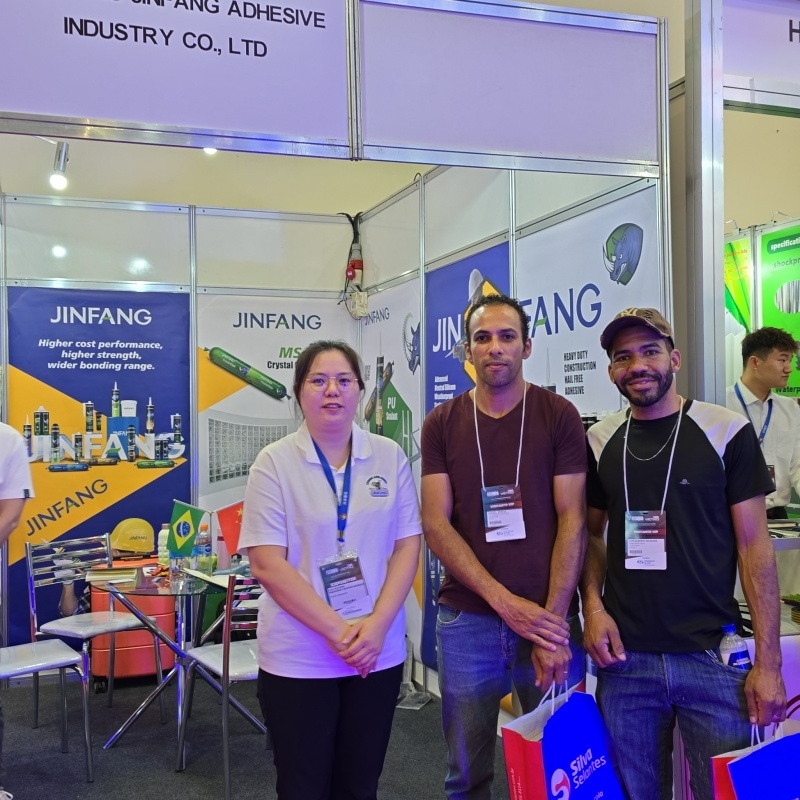
Take a closer look at our automated production floor, shipping lines, and modern research facilities.
Answering high-intent technical questions from engineers, buyers, and builders regarding sealant performance.
1. Shift to Low-VOC and Hybrid Systems: Global building codes are enforcing stricter emissions rules. Our MS Polymer sealants combine the UV stability of silicones with the paintability and strength of polyurethanes, achieving low-VOC targets without sacrificing performance.
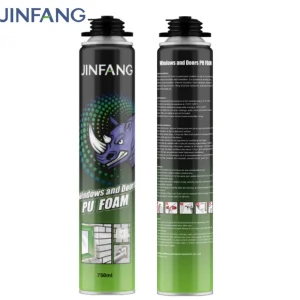
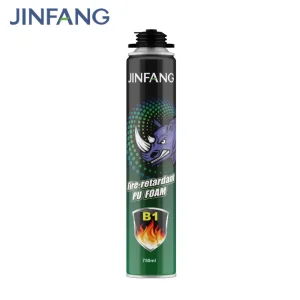
2. Flame Retardant Standards: Modern structures require robust fireproofing. Jinfang's fire-retardant PU Foam B1 provides high thermal insulation and flame-retardant performance, meeting strict local building safety codes.
3. Automated On-Site Application: Consistent extrusion behavior is vital as automated sealing systems expand. We evaluate our sealants rheological properties to ensure smooth performance across manual, pneumatic, and automated tools.
A continuation of our comprehensive portfolio featuring high-strength adhesives, grouts, and hybrid polymers.
 Jinfang