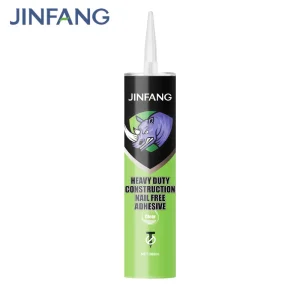
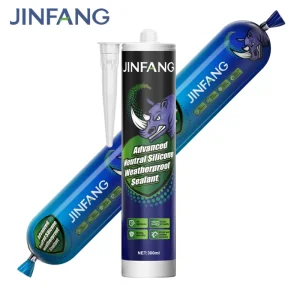
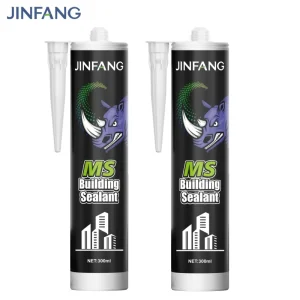
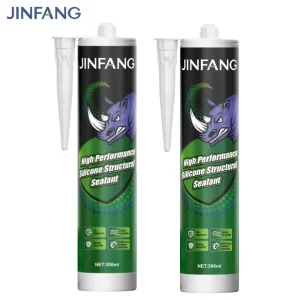
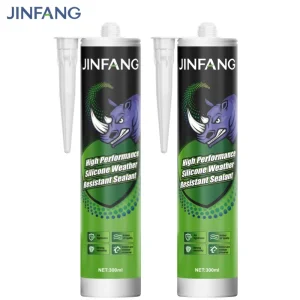
Engineering-grade solutions sourced directly from our advanced Chinese manufacturing facility.
How modern processing infrastructure demands zero-tolerance leak prevention and chemical resistance.
Industrial piping networks, hydraulic conduits, and gaseous transport channels depend on the absolute integrity of their joints. Historically, mechanical threads relied solely on high frictional locking and polytetrafluoroethylene (PTFE) tape to stem leaks. However, the advent of high-stress industrial environments has highlighted the limits of physical barriers. Silicone thread sealants represent a massive technological leap forward.
Globally, the move towards modular manufacturing, fast-track infrastructure assembly, and rigorous ESG regulations has pushed industrial facilities to seek out advanced elastomeric sealing solutions. Silicone thread sealants cure to form a flexible yet highly durable cross-linked matrix. This matrix withstands thermal cycles, pressure swings, and exposure to corrosive chemicals, making it a critical choice for processing plants, plumbing systems, and automotive assembly lines.

A technical breakdown of cross-linking dynamics, neutral curing chemistry, and environmental stability.
High-performance silicone thread sealants derive their properties from their organosilicon backbone. Unlike carbon-based polymers, the alternating silicon-oxygen (Si-O-Si) chain provides bond energy (460 kJ/mol) that outperforms carbon-carbon bonds (348 kJ/mol). This chemistry gives our sealants high thermal stability and resistance to UV-induced degradation.
| Performance Characteristic | Neutral Silicone Sealant | Acetic Silicone Sealant | Modified Silane (MS) Polymer |
|---|---|---|---|
| Curing Mechanism | Moisture-activated, alcohol/oxime release | Moisture-activated, acetic acid release | Silyl-terminated polyether hydrolysis |
| Corrosivity | Non-corrosive to copper and steel | Slightly corrosive to active metals | Completely non-corrosive |
| Elastic Recovery | Excellent (> 90%) | Good (75% - 85%) | Very High (> 95%) |
| Paintability | Non-paintable | Non-paintable | Highly paintable |
| Temperature Window | -60°C to +250°C | -50°C to +200°C | -40°C to +120°C |
The curing process triggers upon contact with atmospheric moisture. Room-temperature vulcanizing (RTV) silicones convert from a stable paste to a rubbery solid by incorporating water molecules. This reaction drives out volatile organic compounds (VOCs) and links the polymer strands into a durable 3D network.
The siloxane bonds retain their flexibility at temperatures as low as -60°C and resist oxidation up to +250°C. This wide operational window makes them suitable for hot water systems, engine components, and cold-storage piping.
Our formulations are engineered to resist degradation from common industrial chemicals. The cross-linked polymer network prevents swelling and degradation when exposed to glycols, hydraulic fluids, weak acids, and chlorinated sanitizing agents.
How our comprehensive sealant portfolio performs under real-world, high-stress conditions.
Durable seals for brass, copper, and PVC threaded fittings, reducing call-backs for leak repairs.
Seals hydraulic connections and pneumatic control lines against severe pressure spikes.
Secures steam pipes and heat exchanger flanges against continuous thermal stress.
Fungicide-equipped formulas prevent microbial growth in humid, climate-controlled rooms.
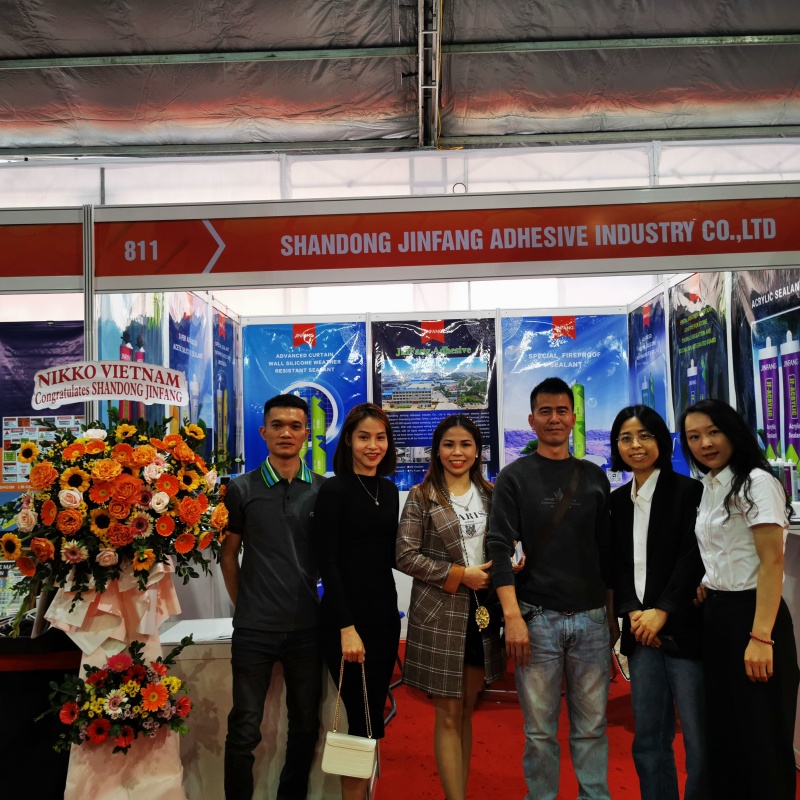
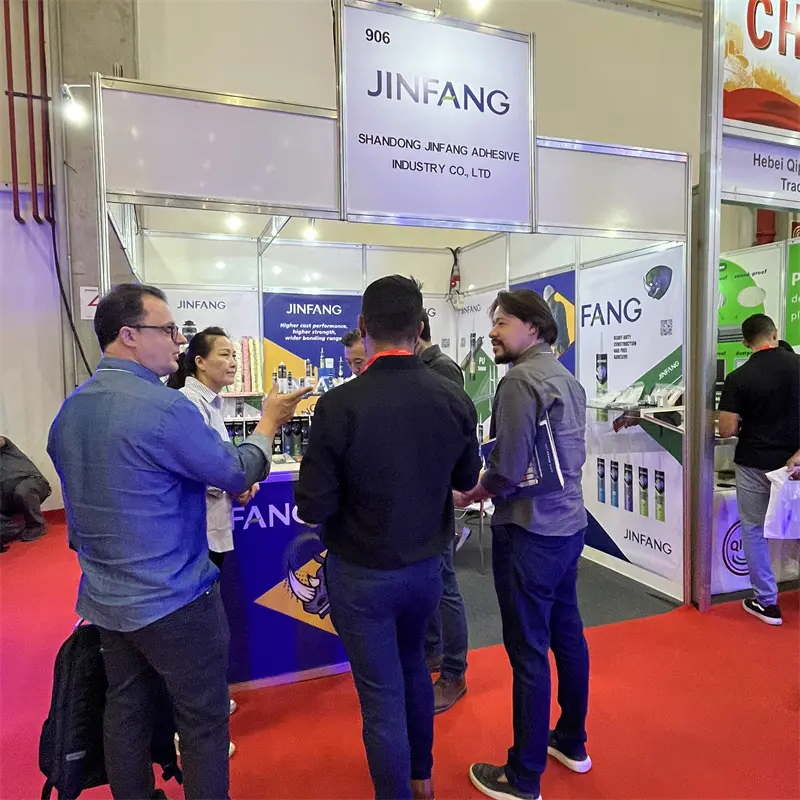
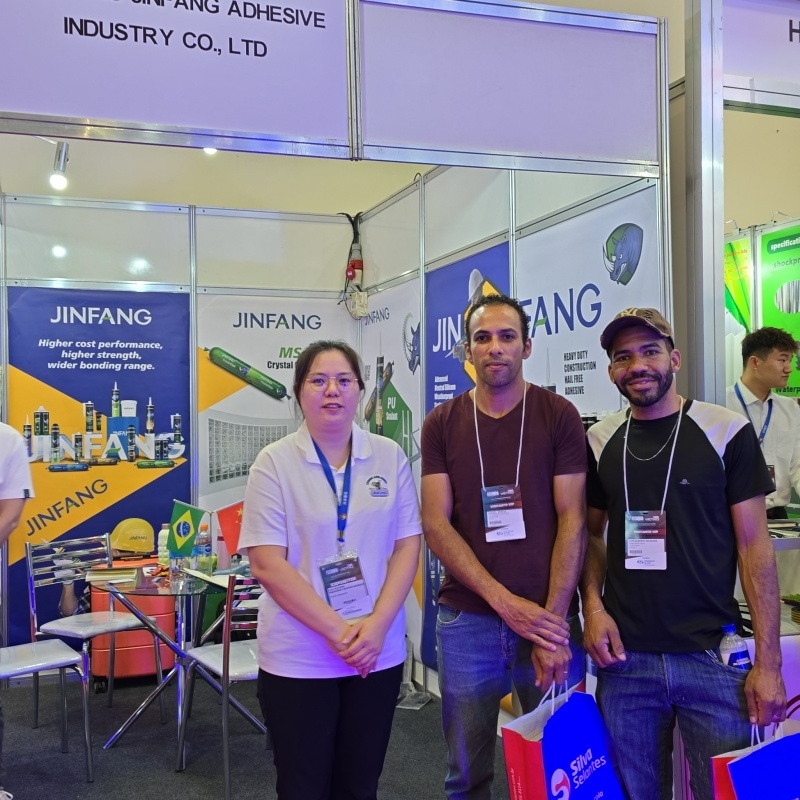
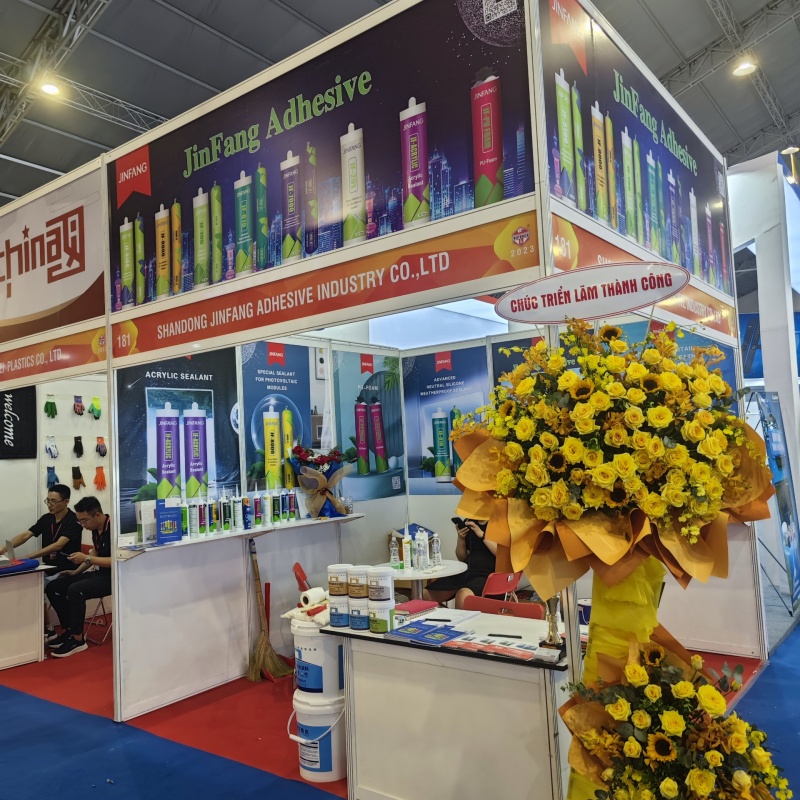
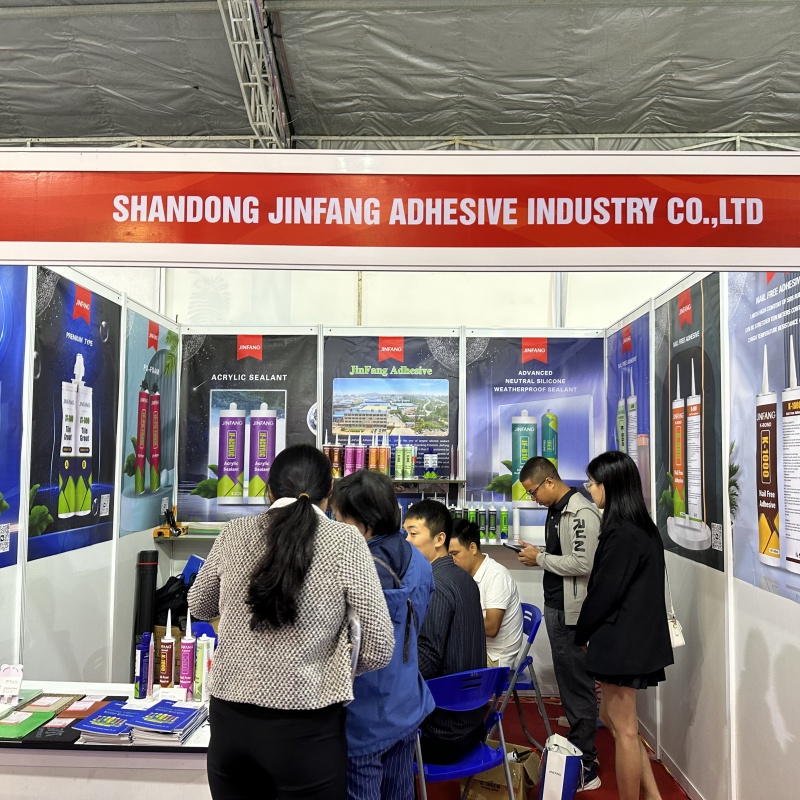
Shandong Jinfang Adhesive Industry Co., Ltd. - Your trusted partner in advanced sealing technology.
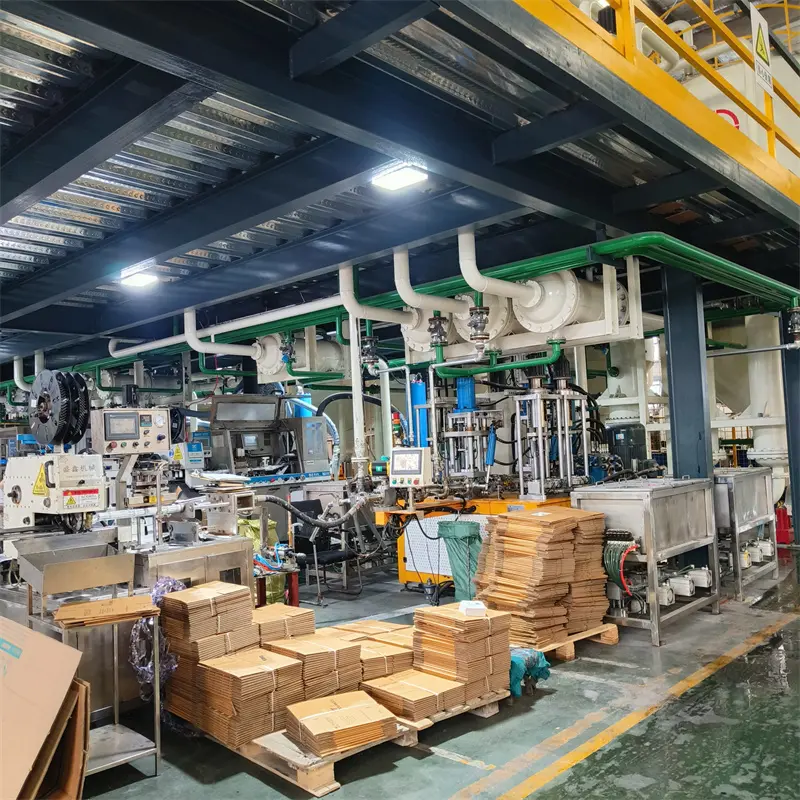
Headquartered in the industrial heart of Shandong Province, China, Shandong Jinfang Adhesive Industry Co., Ltd. is a leading manufacturer specializing in adhesive and sealant research, development, and production. Our facilities feature fully automated production lines that handle everything from raw material mixing to high-precision injection molding and packaging.
We maintain deep partnerships with leading Chinese academic institutions, including Shandong University, Xiamen University, and Linyi University. These partnerships allow us to recruit top-tier research talent, keeping us at the forefront of polymer chemistry and enabling us to develop advanced new formulations.
Our facility holds certifications like ISO 9001 and ISO 14001, and our products meet international standards including the European Union's IROS. These benchmarks reflect our commitment to sustainable, high-quality development.

Tailored product options designed to meet your specific commercial and technical needs.
If you have an established product formula, we provide an efficient, reliable production system to manufacture it. We deliver high-quality products that meet your exact specifications through standardized, scalable processing.
Our technical team creates tailored formulations for unique application scenarios. We support the production and supply of proprietary technologies and confidential chemical recipes.
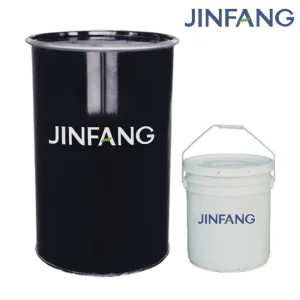
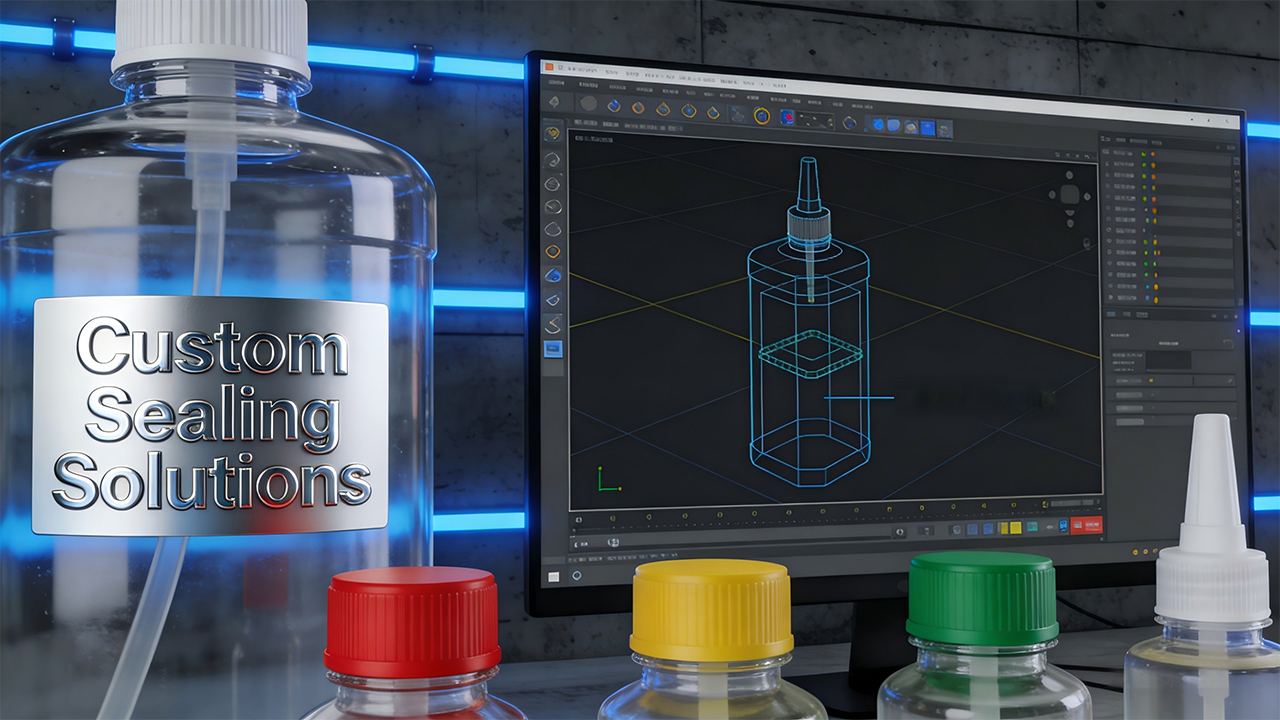
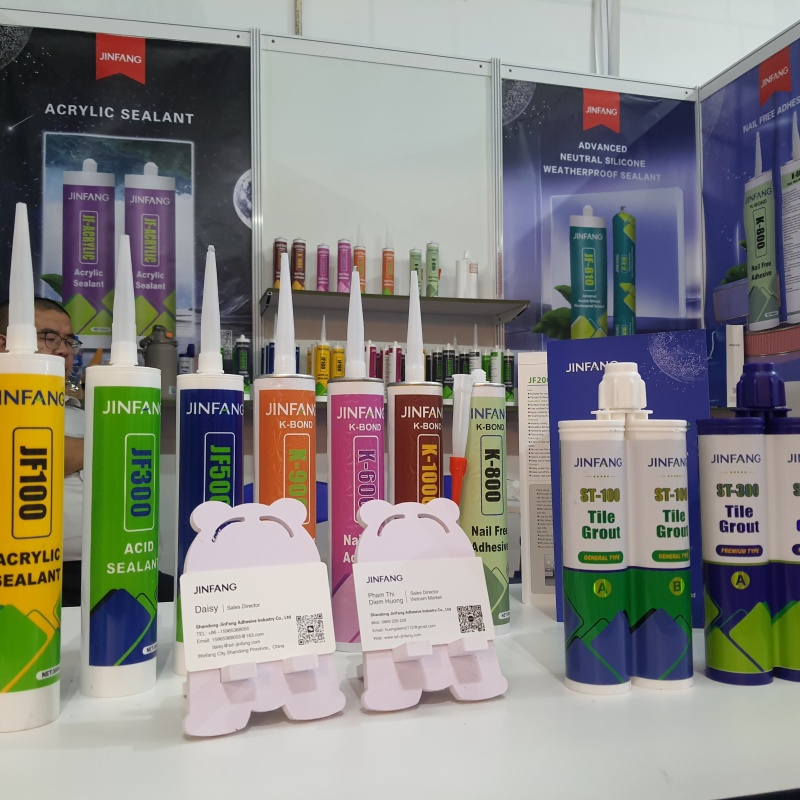
We offer various packaging configurations, including sausages, rigid tubes, and large industrial drums. We package in plastic and aluminum to suit your branding and preservation requirements.
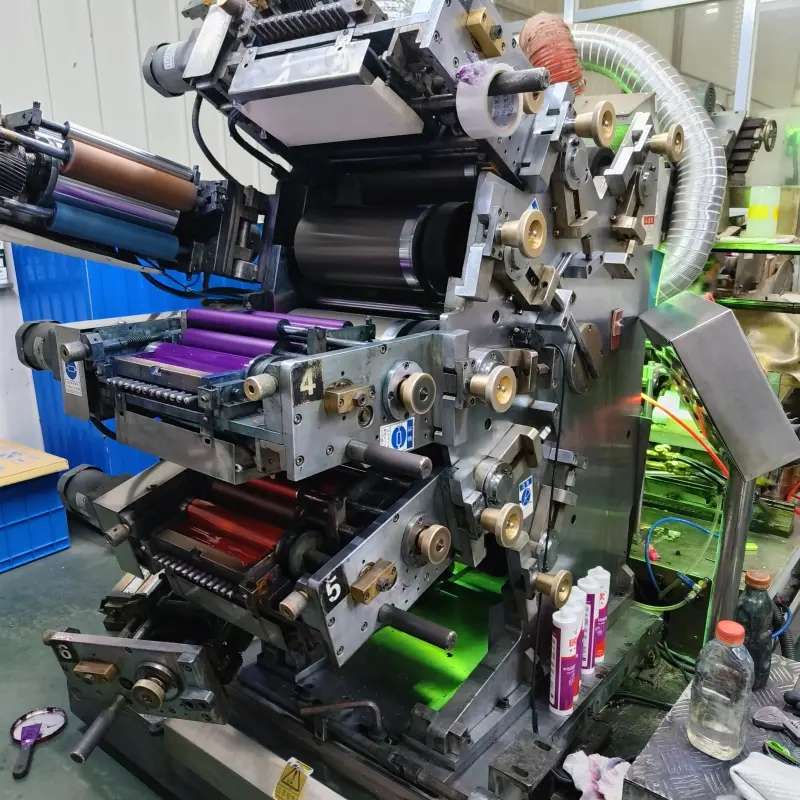
Our screen and offset printing services display clear, vibrant colors, helping your products stand out on retail shelves and in industrial catalogs.
Expert answers to common questions about thread sealant selection, storage, and application.
Premium structural, weatherproofing, and adhesive products designed for global projects.
 Jinfang