Explore our high-performance formulations manufactured under ISO 9001 quality guidelines for durability and structural integrity.
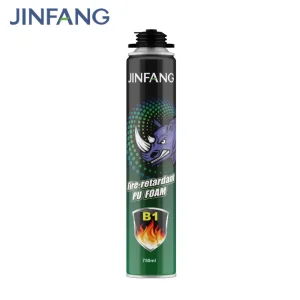
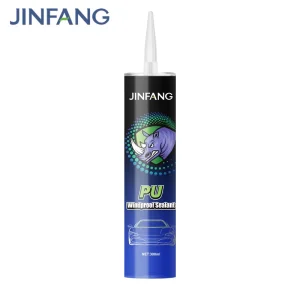
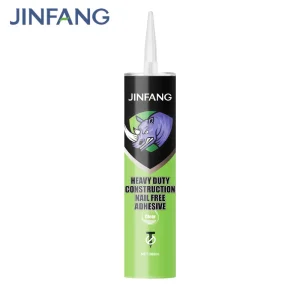
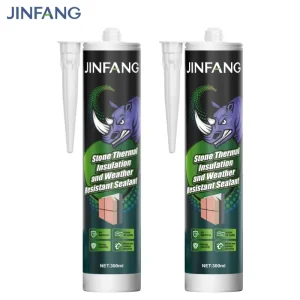
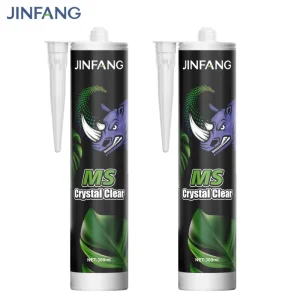
In modern structural engineering and high-end envelope designs, a silicone sealant does not merely fill a gap; it serves as a dynamic link that manages mechanical load, resists relentless ultraviolet irradiation, and protects structural integrity.
The term "Smoothing Silicone Sealant" specifically denotes dynamic formulations with optimized rheological parameters that allow installers to tool and finish joints cleanly without introducing micro-voids or interfacial tears. When structural glazed joints or weather seals are smoothed using specialized tools or tooling agents, the surface tension of the silicone polymer must adapt instantly. Poorly configured sealants exhibit structural "slump" or "stringing," leading to thin edges that degrade rapidly under UV exposure.
At Shandong Jinfang Adhesive Industry Co., Ltd., we balance structural elastomer properties with surface chemistry. Our neutral and acetoxy systems are synthesized using premium organosilicon monomers, yielding high-tensile silicone polymers capable of accommodating up to ±50% joint movement when engineered under strict quality control.

Controlled viscosity profiles ensure easy extrusion from hand or pneumatic guns, while demonstrating outstanding non-sag (thixotropic) behavior in vertical joints up to 30mm wide.
Our formulations offer an extended tooling window (skin-over time of 15 to 30 minutes) allowing installers sufficient time to achieve perfect, smooth geometries before polymer crosslinking initiates.
Zero volume shrinkage during the condensation cure process ensures the structural contact area remains intact, eliminating microscopic localized stress points.
Analyzing current global demand, consumption rates, and structural applications across major regions.
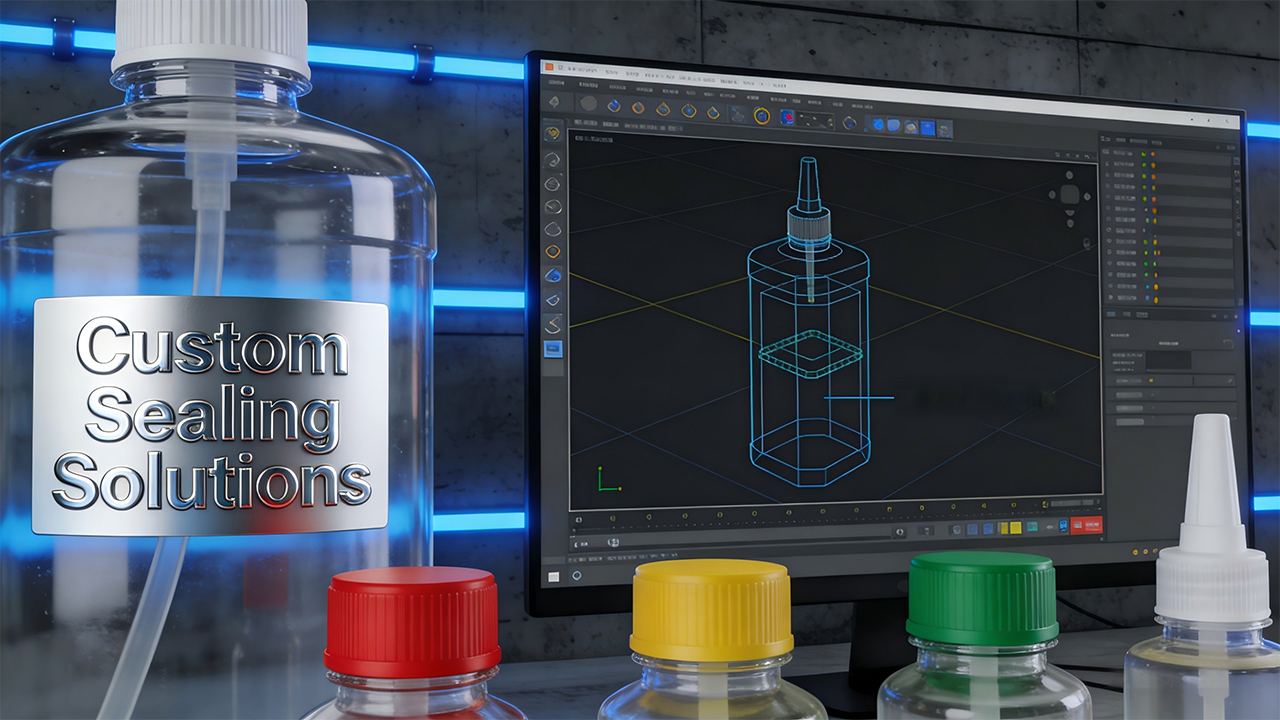
The global silicone sealant market is experiencing a profound transition driven by building electrification, energy-conservation mandates, and the growth of prefabricated construction systems.
As international building standards like LEED and Passive House require air-tight envelopes to minimize thermal bridging, high-performance sealing materials are more critical than ever. In heavy industrial, civil engineering, and infrastructure projects, silicone sealants are replacing rigid mechanical joints to withstand natural thermal cycles and seismic activity.
In the automotive and electrical sectors, the rise of Electric Vehicles (EVs) has triggered massive demands for specialised heat-resistant, vibration-absorbing, and electrically insulating sealants. Manufacturers look for long-term consistency in extrusion speed, curing chemistry, and environmental stability.
Partnering with top academic institutions including Shandong University, Xiamen University, and Linyi University, we have built a state-of-the-art research ecosystem. We turn structural elastomer research into advanced industrial products.
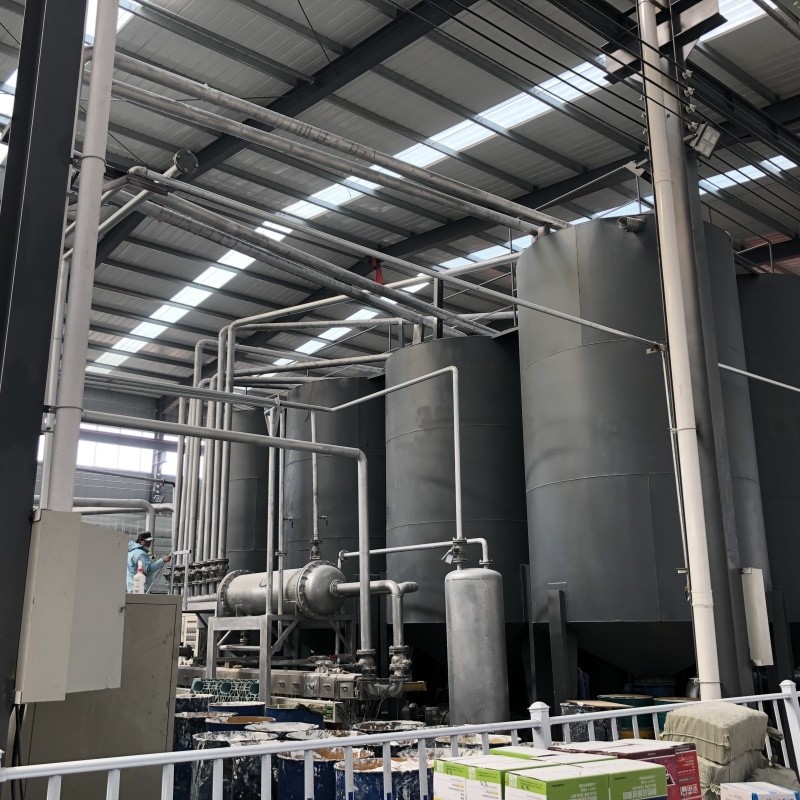
Our advanced production campus integrates raw material quality assurance, automatic mixing, precision injection molding, and intelligent cartoning systems. This vertically integrated manufacturing guarantees that every cartridge, sausage pack, or bulk drum of silicone sealant, PU Foam, or MS Polymer leaves our facility with verified physical properties.
Our commitment to excellence is verified by international compliance benchmarks:
Why do leading global procurement departments choose Shandong Jinfang? The answer lies in the structural efficiency of our industrial ecosystem.
China represents the world's most concentrated supply chain for organosilicon monomers and raw materials. Located in Shandong Province, a premier industrial hub, we benefit from immediate proximity to major chemical raw materials, reducing transit costs and ensuring uninterrupted production even during global supply shortages.
Our facility utilizes high-speed automated continuous compounding systems. These systems maintain tighter tolerances than traditional batch-mixing techniques. This structural advantage translates directly into consistent batch-to-batch curing profiles, color matching, and shelf life, while keeping manufacturing costs highly competitive.
Our sealants are formulated for real-world environmental stressors:
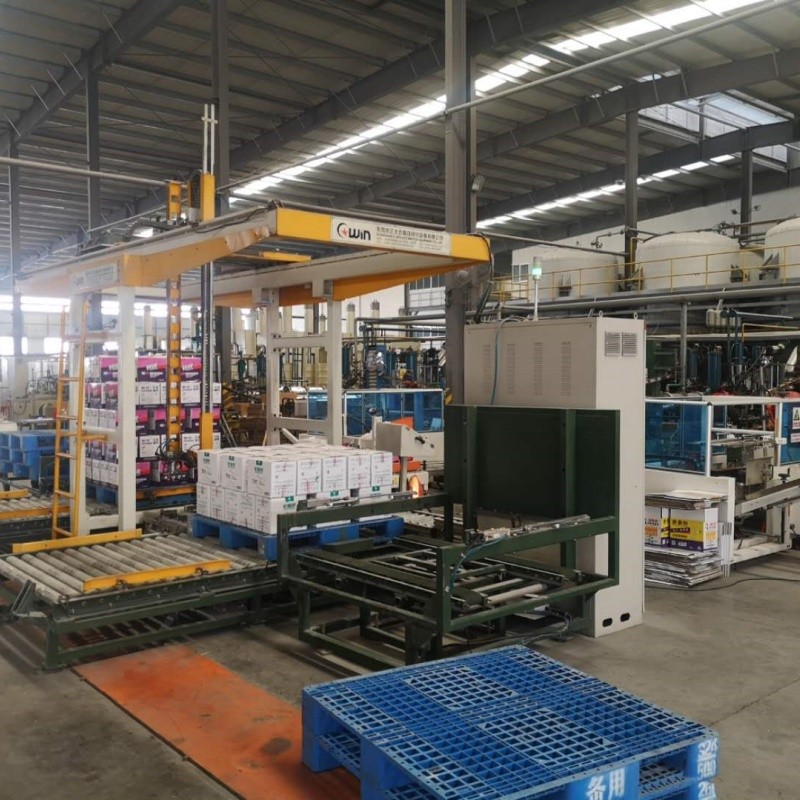



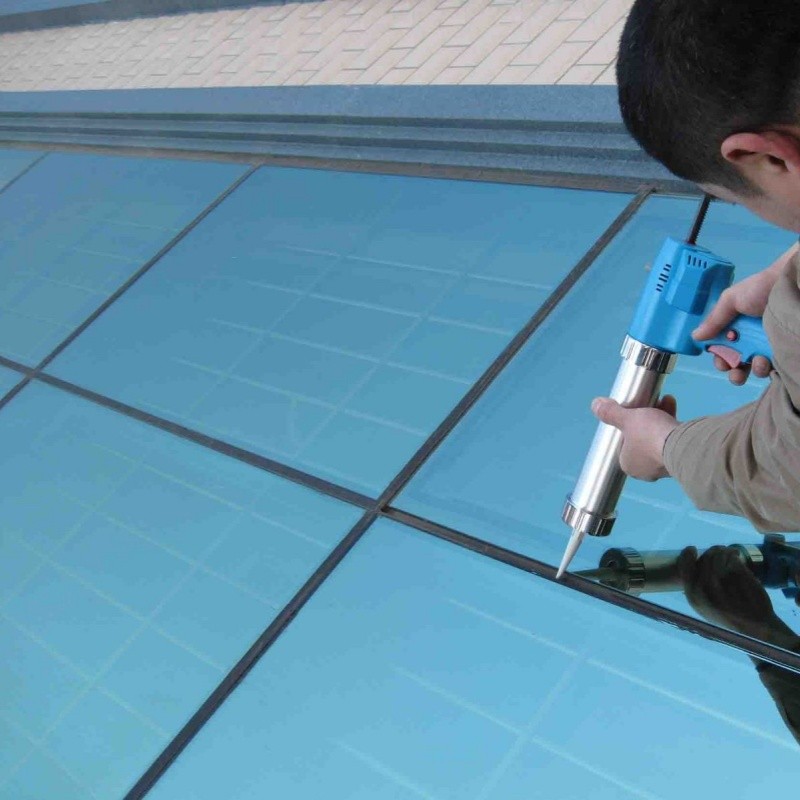
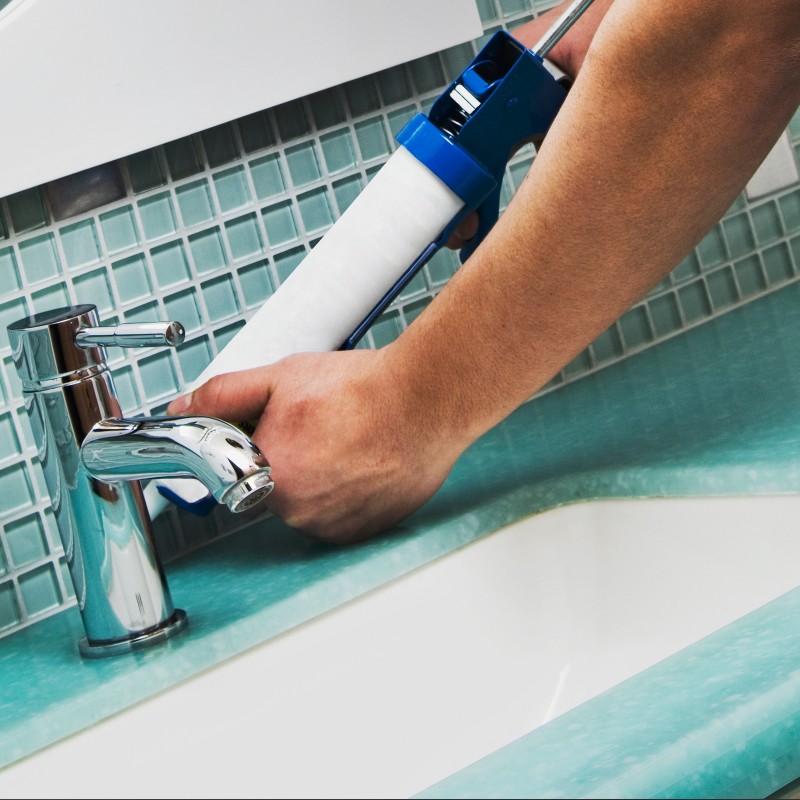
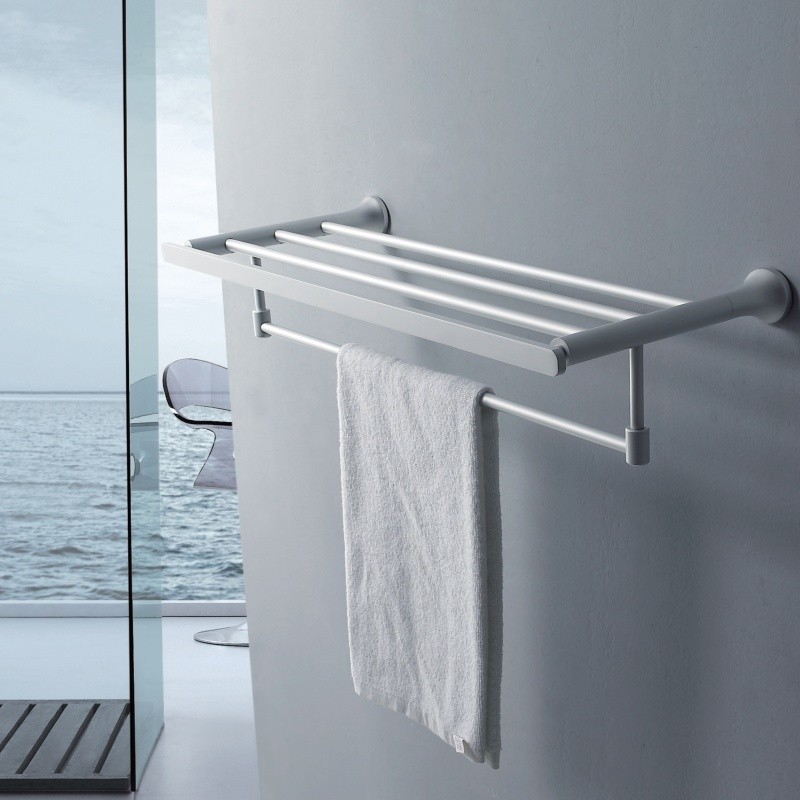

We provide flexible OEM, ODM, and contract manufacturing options tailored to the technical requirements of global B2B clients.

For established brands with proprietary chemical formulas, we provide high-throughput continuous manufacturing that matches your technical specifications with precision.

Our engineering team adjusts cure speeds, tensile properties, joint movement parameters, and color matching to suit specific environmental or regional building codes.

Choose from hard plastic cartridges, foil sausage packs (300ml, 590ml, 600ml), large metal pails, or bulk drums, customized with high-fidelity printing.

We utilize multi-color screen and offset printing to ensure your brand's labels, usage instructions, safety warnings, and barcodes remain clear and durable.
When evaluating silicone sealant suppliers, technical directors base decisions on concrete physical properties:
The construction industry is shifting toward materials with lower environmental impact. Key developments include Bio-based Silane Hybrid polymers (MS Sealants) that offer the UV stability of silicones alongside the paintability of polyurethanes.
Additionally, automated manufacturing lines require sealants with consistent curing profiles. This allows industrial robots to apply and finish beads without human intervention, maintaining production speed in high-output plants.
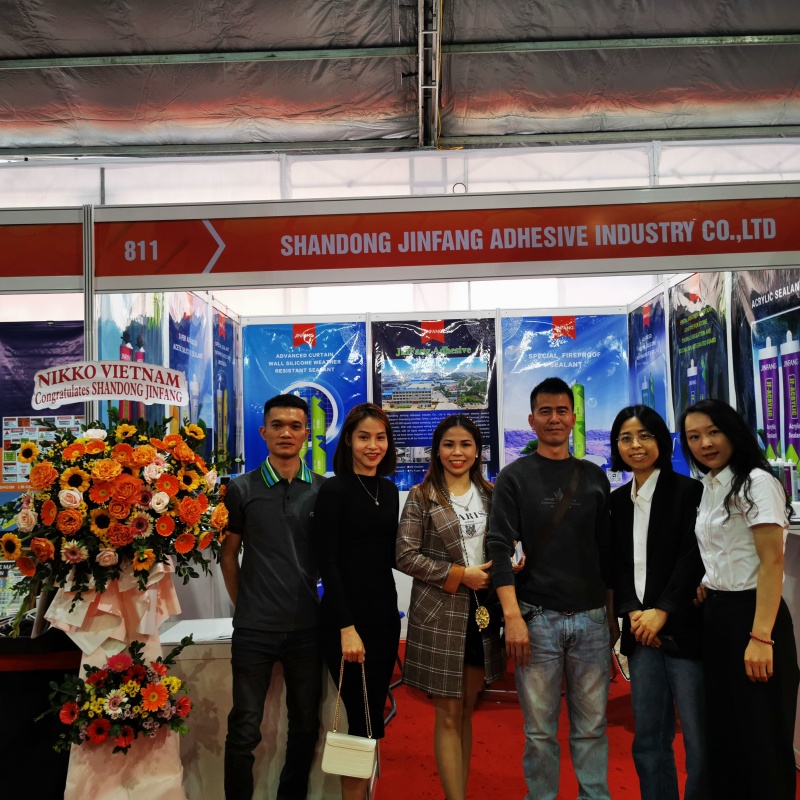
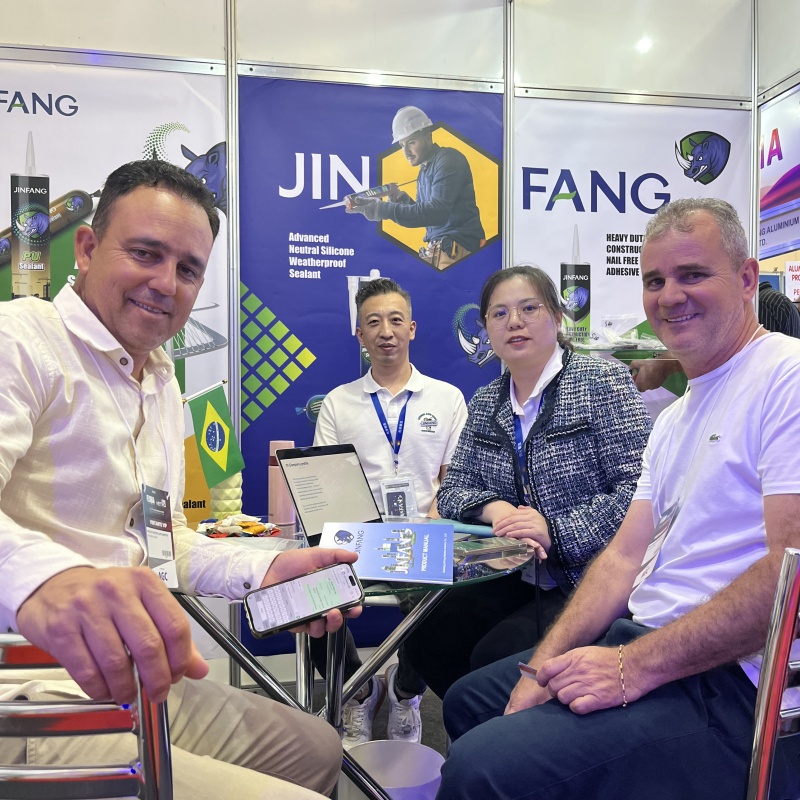
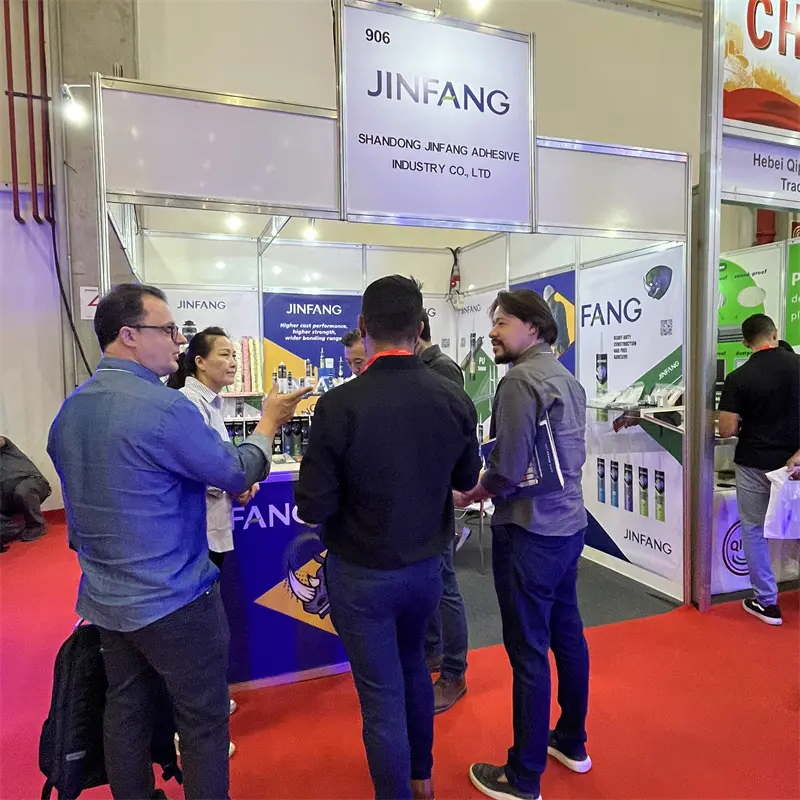
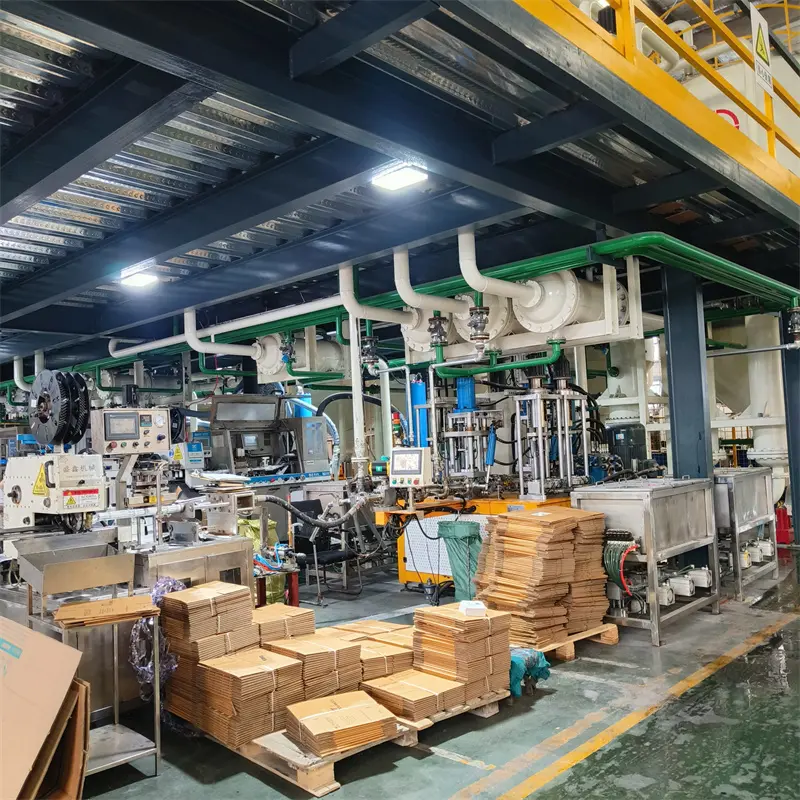
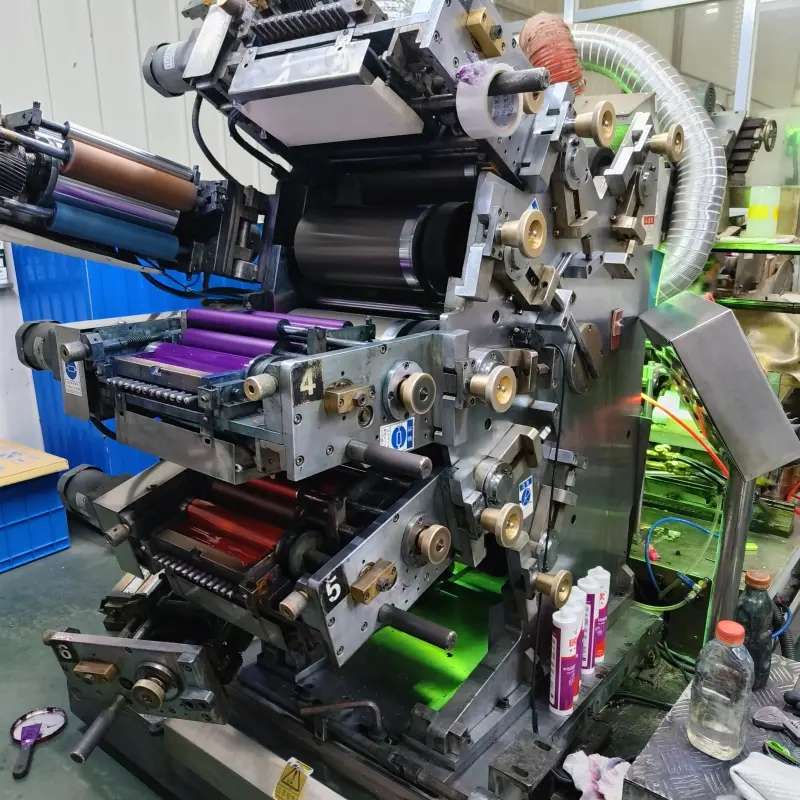
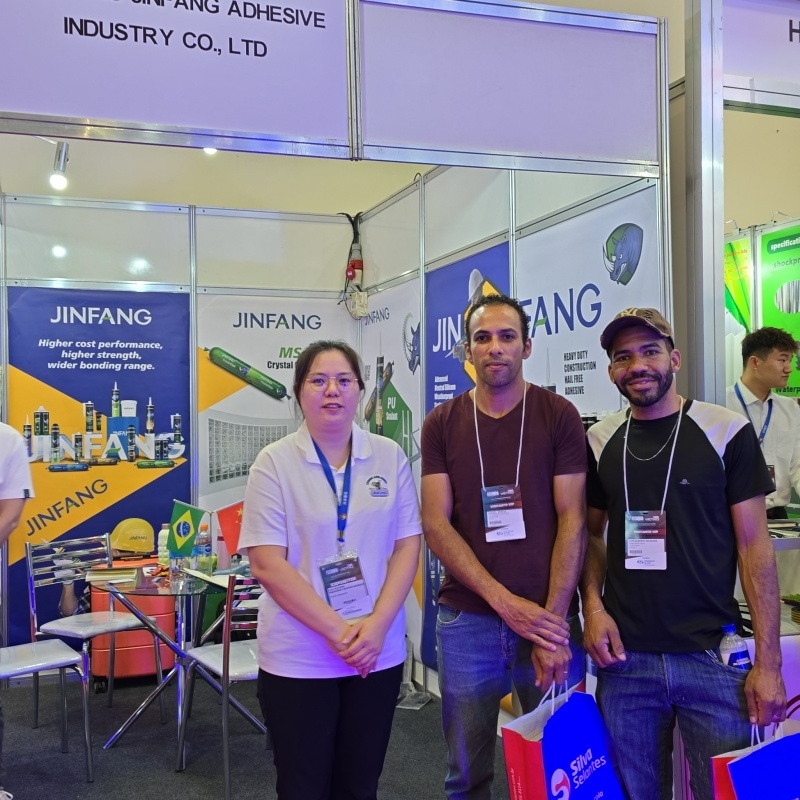
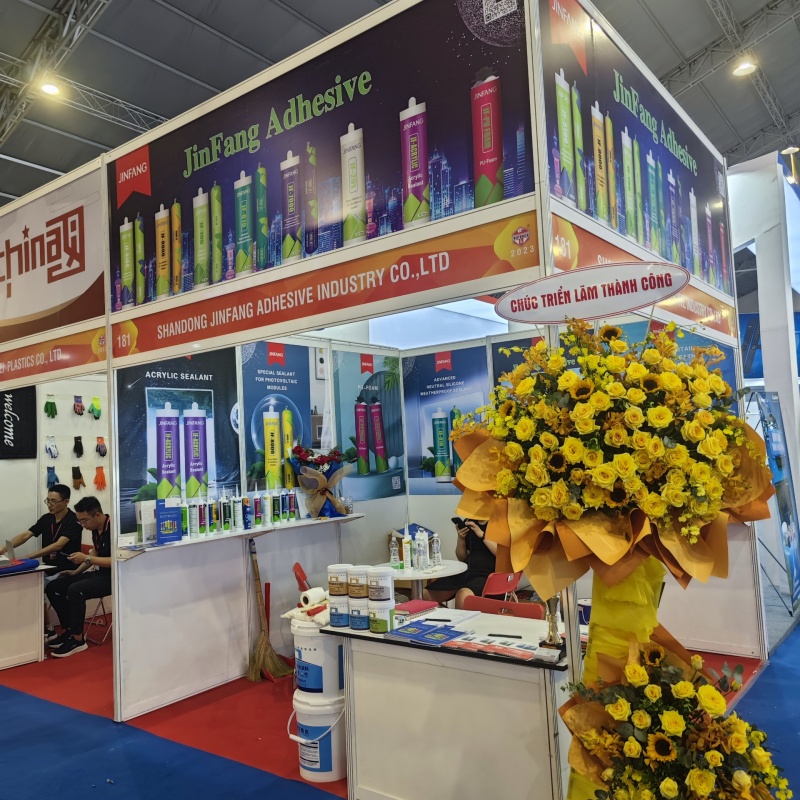
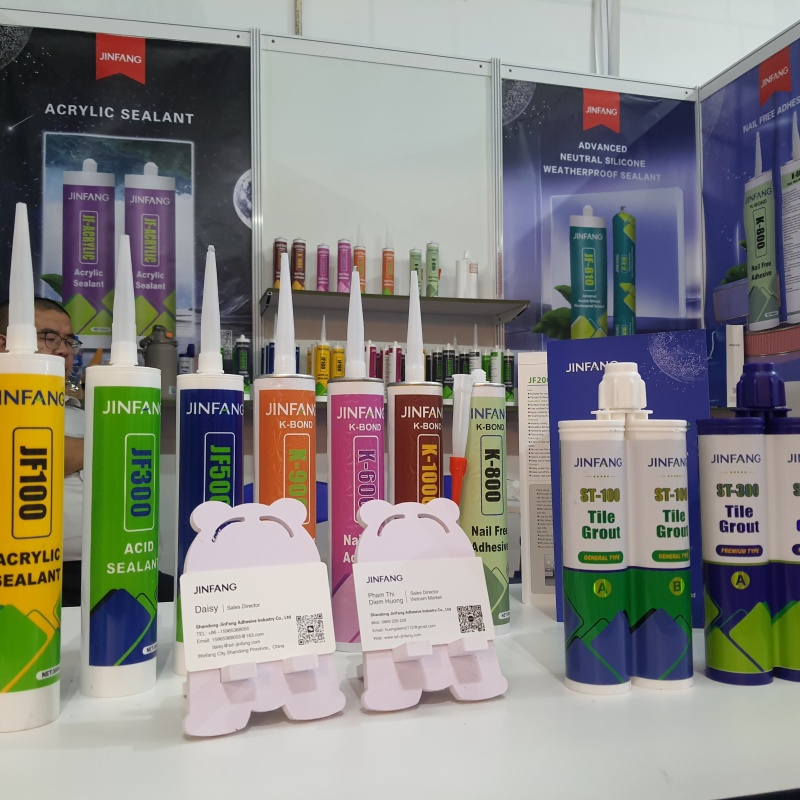
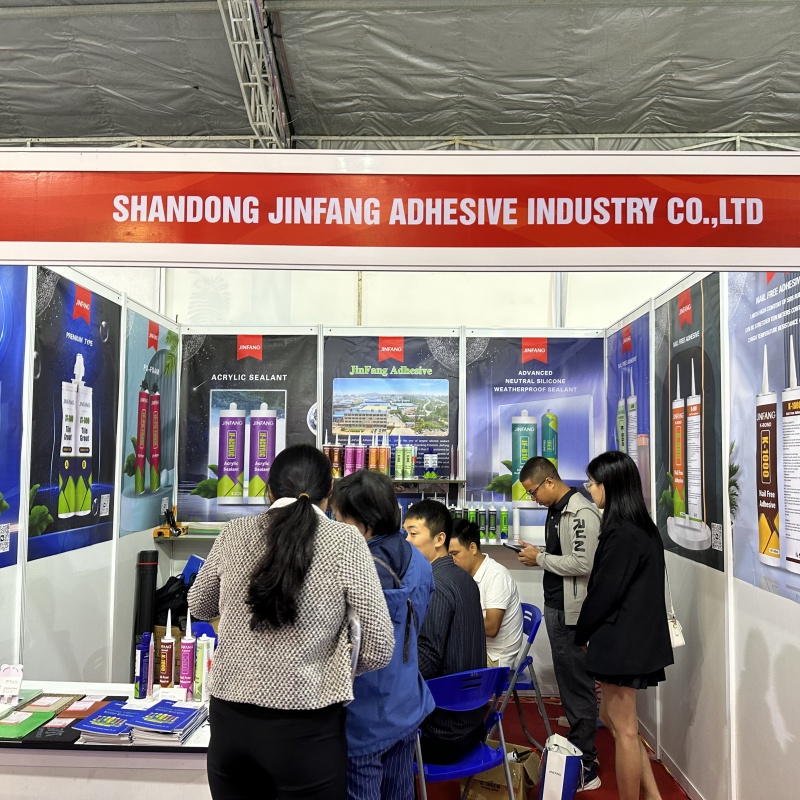
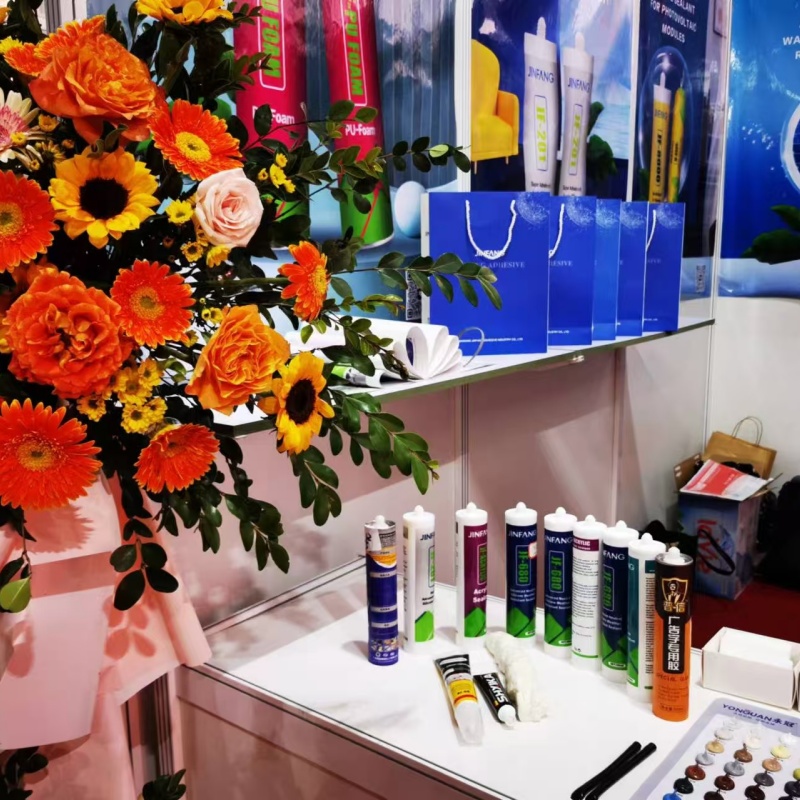
How we deliver consistent quality, competitive pricing, and reliable service to global B2B procurement teams.
We source high-grade raw polymers and perform inline quality checks to ensure consistent extrusion rate, tack-free time, and mechanical strength across all batches.
Every batch undergoes testing in our laboratories to confirm stability, tensile properties, and aging resistance before shipment clearance.
By optimizing raw material sourcing and managing high-volume continuous production lines, we provide competitive pricing structures without compromising on quality standards.
Our dedicated R&D team provides quick customization services, formulation adjustments, and technical support for large-scale engineering applications.
Technical clarifications regarding structural silicone chemistry, storage conditions, and tooling methods.
Acetoxy silicone sealants release acetic acid (which smells like vinegar) during cure. They cure relatively fast and adhere well to glass and glazed ceramics. However, the released acid can corrode metals (like copper or zinc) and damage alkaline materials like concrete. Neutral curing silicone sealants release non-acidic byproducts (typically alcohols or oximes). They are non-corrosive, make less odor, and offer superior adhesion on porous substrates like stone, concrete, and coated metals.
Tooling presses the sealant into the joint, ensuring complete wetting and contact with the substrate sides to prevent micro-voids that can cause adhesion failure. It also shapes the sealant bead to shed water and accommodates structural movement without tearing.
Condensation cure silicone sealants rely on ambient moisture to crosslink. High humidity and high temperature accelerate the cure rate, which shortens the skin-over and tooling window. Low temperature and low humidity slow down the cure rate. If applying sealants in very dry climates, expect extended cure times before the joint can take loads.
Generally, standard silicone sealants cannot be painted over because paint will not adhere to their low-surface-energy cured surface. If painting is required, you must specify a paintable hybrid polymer (like an MS Sealant) or a modified acrylic sealant.
Unopened cartridges of silicone sealant typically have a shelf life of 9 to 12 months when stored in cool, dry conditions below 27°C. Exposure to moisture, direct sunlight, or high temperatures can cause pre-curing in the container, shortening the shelf life.
Structural glazing requires compliance with rigorous standards such as ASTM C1184, ETAG 002, or ISO 11600. These standards test for high tensile strength, UV resistance under load, and long-term adhesion to glass and aluminum.
High-performance sealants, adhesives, and grouting systems engineered for architectural construction.
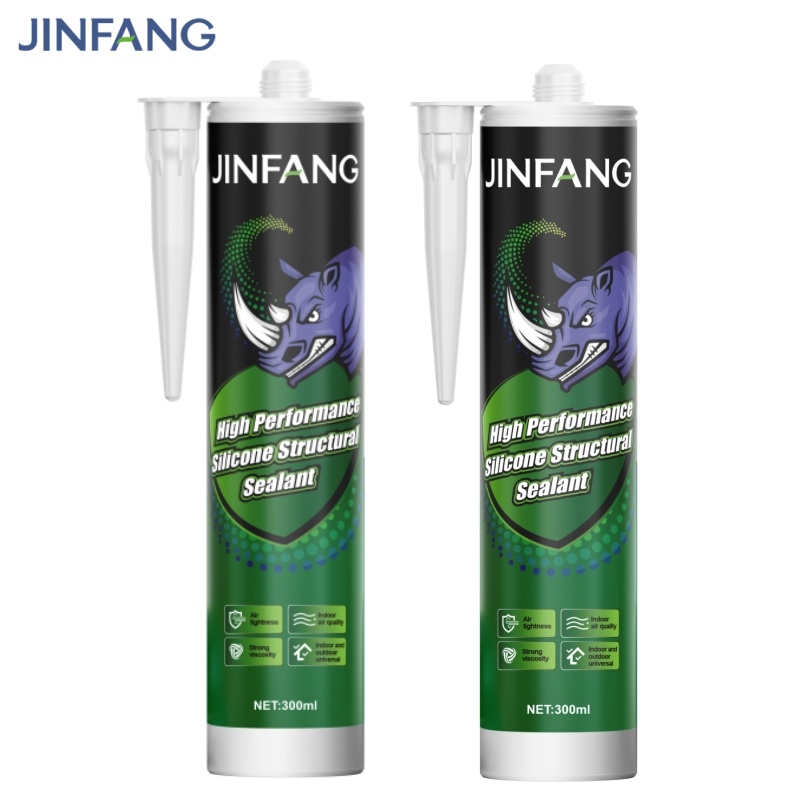
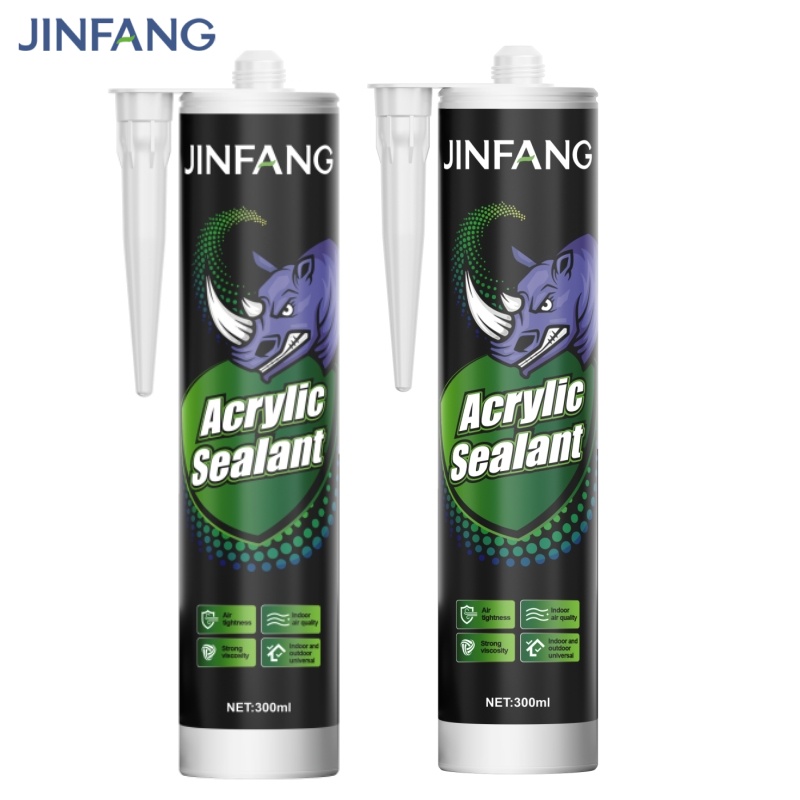
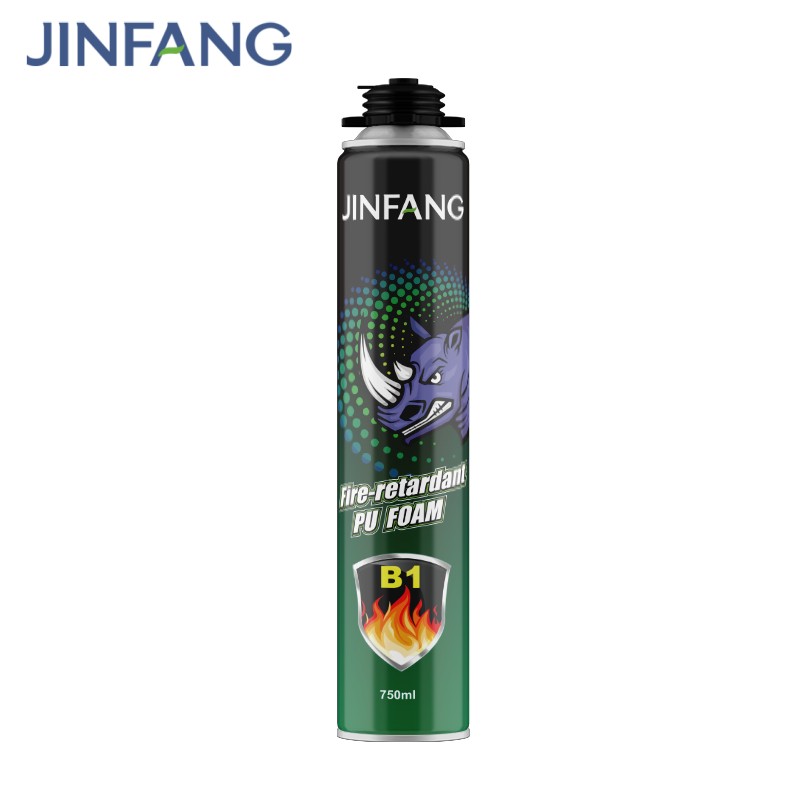
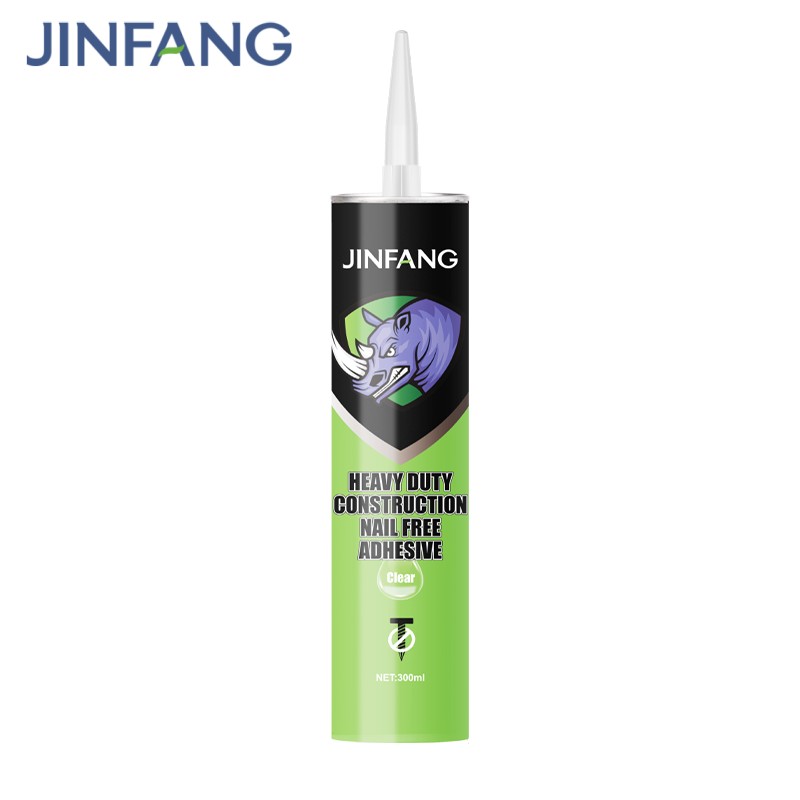
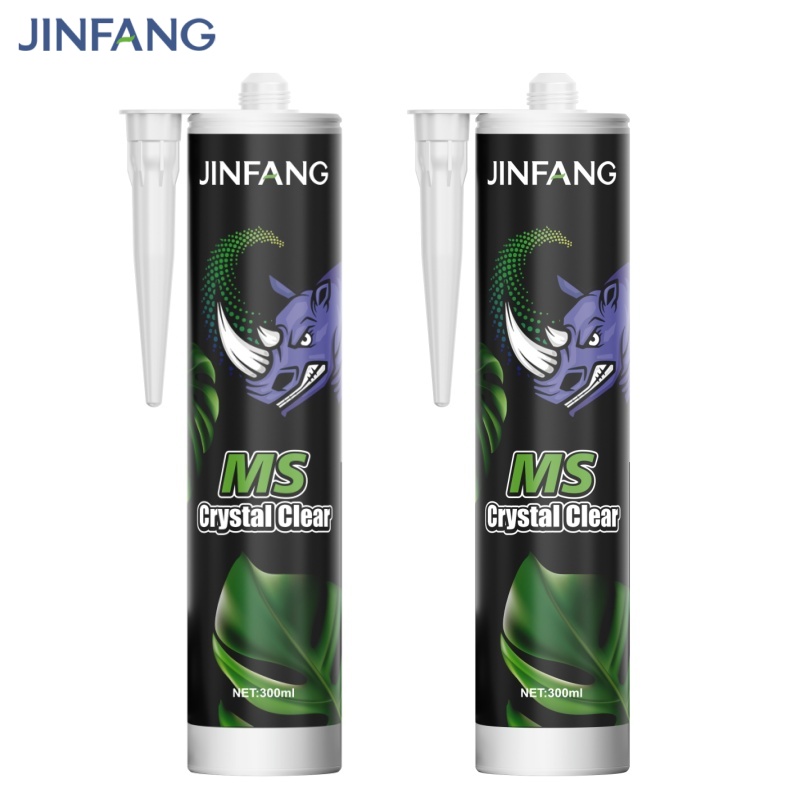
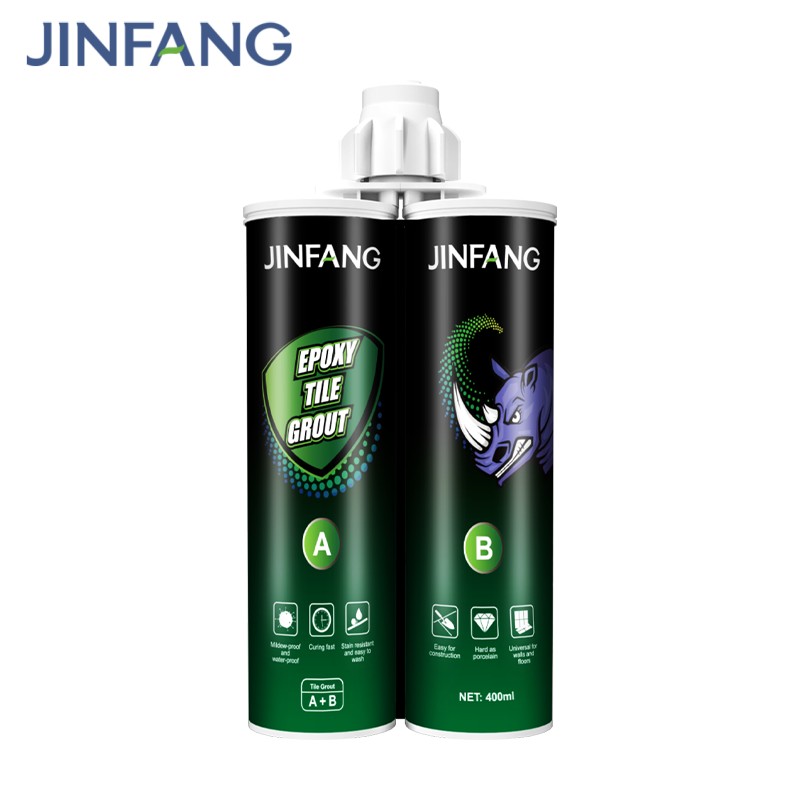
Explore our high-performance formulations manufactured under ISO 9001 quality guidelines for durability and structural integrity.
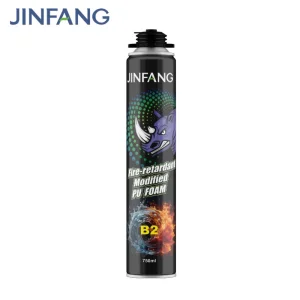
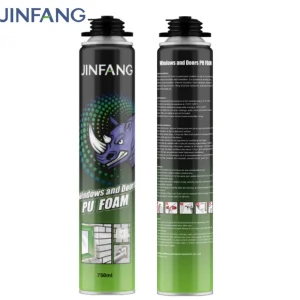
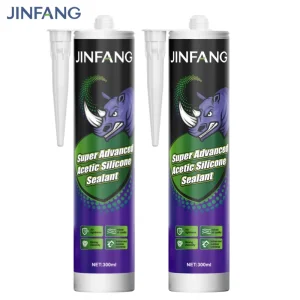
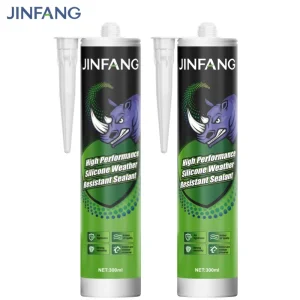
Whether you require standard white-label supplies to capture localized markets, or customized formulas to meet specific climate conditions, Shandong Jinfang is ready to assist. Contact our engineering team for sample analysis, bulk pricing structures, and customizable solutions.
 Jinfang