Engineered for high thermal displacement, rapid cure profile, and long-term environmental integrity in severe continental regions.
The Central Asian construction landscape is undergoing a major technological transformation, with Kazakhstan leading this regional modernization. Driven by national development initiatives like "Nurly Zher" and the continuous expansion of transport corridors linking China and Europe, the demand for commercial, industrial, and residential infrastructure has reached historic highs. Cities such as Almaty, Astana (Nur-Sultan), and Shymkent are expanding rapidly, necessitating materials that meet advanced structural standards.
However, building in Kazakhstan presents unique engineering challenges. The local continental climate experiences extreme temperature fluctuations, ranging from sub-zero winters below -40°C in the northern steppes to summer highs exceeding +40°C in the southern plains. Under these conditions, standard sealants fail due to thermal contraction, rapid UV degradation, and loss of elastic recovery. This creates a critical market requirement for specialized polymer technologies—such as Class 25LM neutral silicones, modified silane polymers (MS Sealants), and cold-cure polyurethane foams—capable of retaining flexibility and adhesion across a wide thermal envelope.
Globally, the adhesive industry is shifting away from low-cost, high-VOC solvent-based adhesives to eco-friendly, high-performance formulations. Regulatory directives, such as the EU's REACH regulation and green building certification systems (LEED, BREEAM), are steering the market toward low-emission products. Additionally, global logistics and raw material costs demand highly efficient supply chains. High-volume manufacturing plants that combine chemical synthesis, automated cartridge production, and strict quality control have become key partners for B2B buyers worldwide.
Leveraging automated production, direct supply chains, and academic research collaborations to deliver reliable sealing solutions.
Shandong Jinfang Adhesive Industry Co., Ltd. operates a vertically integrated manufacturing system in Shandong Province, China. Our facilities handle the production process from raw material formulation and chemical blending to automated cartridge injection molding and packaging. This integration ensures quality control and cost efficiency.
By automating our production lines, we reduce variation in batch output. Each run of silicone sealant, PU Foam, or MS sealant is tested for key metrics, including:
Our collaborative research partnerships with top-tier academic institutions—such as Shandong University, Xiamen University, and Linyi University—keep us at the forefront of chemical science. These partnerships help us develop specialized formulas for extreme environments like Central Asia.

Standard architectural sealants can fail under the conditions of Central Asia. Shandong Jinfang's products are formulated for specific engineering uses:
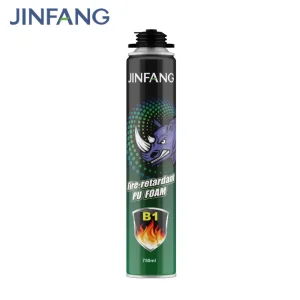
In regions like Astana, where winter temperatures drop sharply, standard sealants can become brittle and crack. Our Class B1 Fire-Retardant PU Foam is formulated to cure reliably in cold weather, providing insulation and sealing out drafts and moisture.
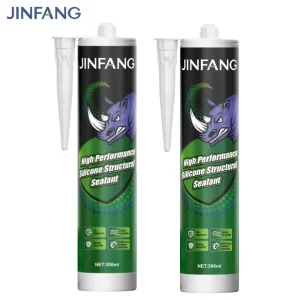
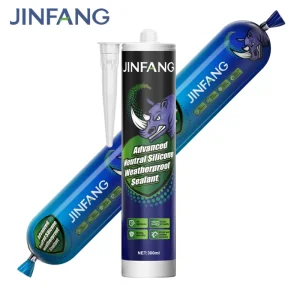
Almaty's seismic activity and strong winds require facade sealants with high movement capability and tensile strength. Our High-Performance Silicone Structural Sealants are formulated to bond to glass, aluminum, and composite panels while absorbing structural movement.
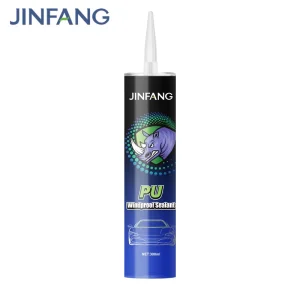
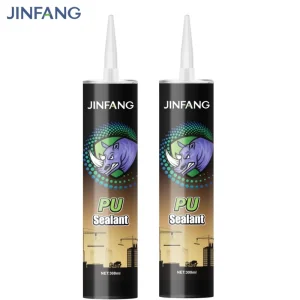
Logistics warehouses and manufacturing plants in Kazakhstan require floor joint sealants that can withstand heavy traffic and thermal expansion. Our polyurethane concrete expansion joint sealants are designed to resist abrasion, chemicals, and mechanical loads.
Our complete range of sealants, adhesives, and grouts is formulated for international construction standards and is available for custom packaging.
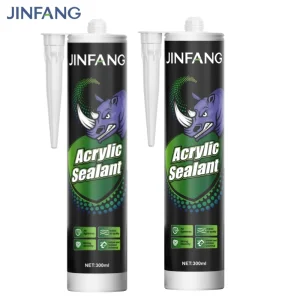
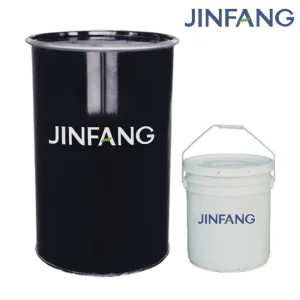
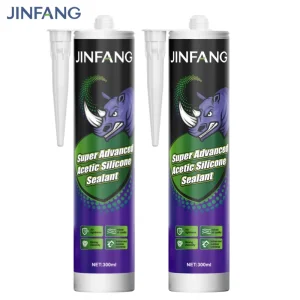
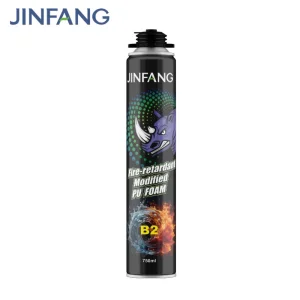
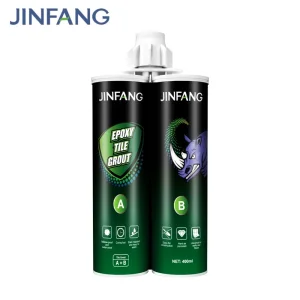
The global sealants industry is transitioning from basic silicone and polyurethane compounds to advanced hybrid formulations. For architects, engineers, and supply chain managers in the Central Asian region, staying aligned with these chemical advances is key to maintaining project durability and meeting regulatory requirements.
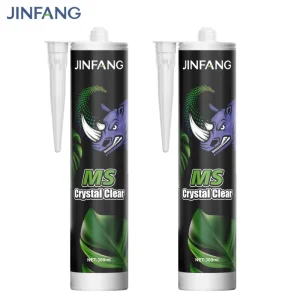
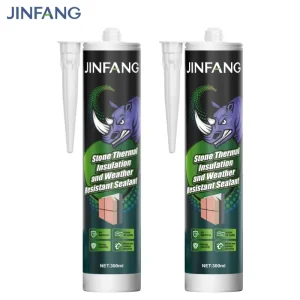
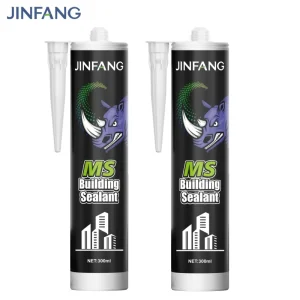
MS Polymers combine the weatherability of silicones with the mechanical properties and paintability of polyurethanes. Unlike silicones, MS polymers do not contain isocyanates or solvents and are low-VOC. They do not stain natural stone, granite, or modern composites, which can occur with silicone plasticizer migration. For modern building designs in Almaty and Astana, MS polymers provide a durable sealing option that supports aesthetic preservation.
Polyurethane chemistry remains a standard for concrete expansion joints and automotive assembly due to its high tear strength and elasticity. Recent formulations improve cold-temperature cure kinetics. By incorporating modern catalysts and prepolymers, manufacturers can produce PU sealants that cure at low temperatures without bubbling, which can happen in high-humidity or cold climates.
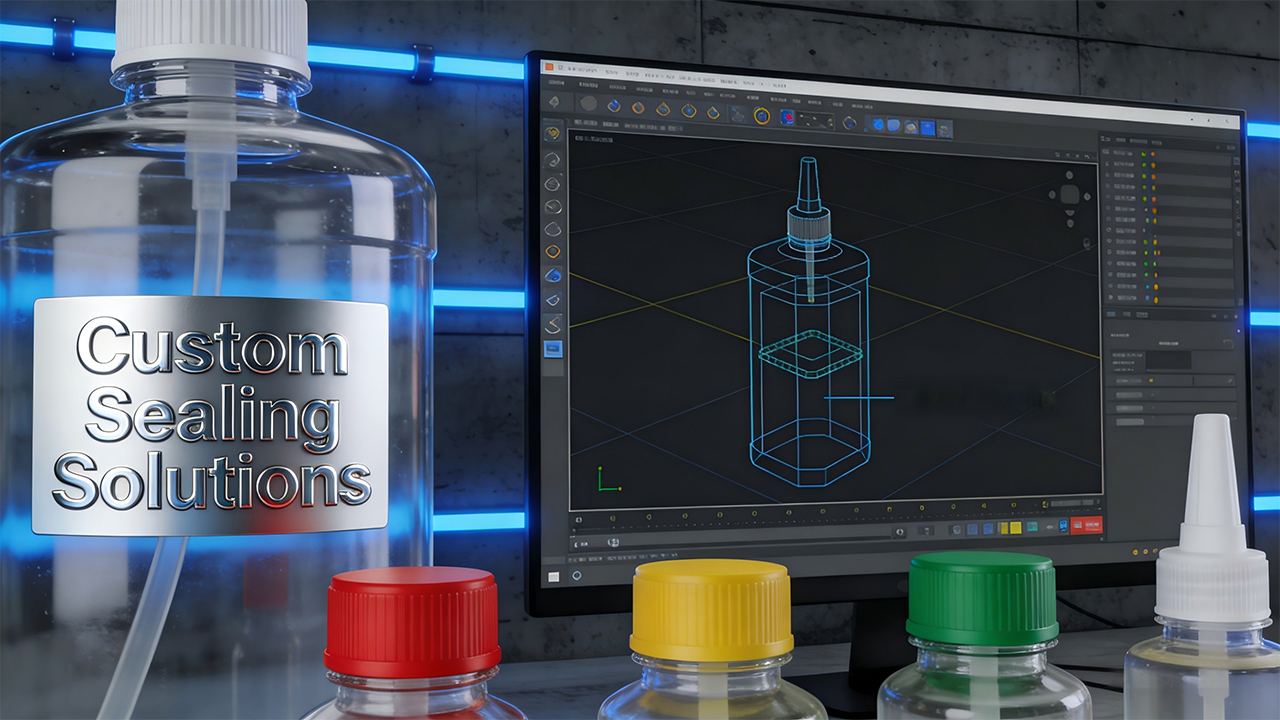
To serve different markets, manufacturers must offer custom capabilities beyond standard products. Shandong Jinfang provides tailorable formulation options, customizable packaging configurations, and printing design services:
Retaining all original products to ensure availability for targeted industrial applications.
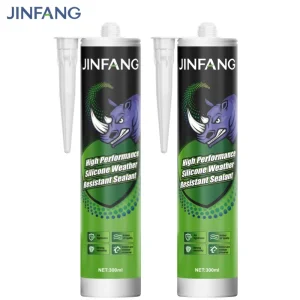
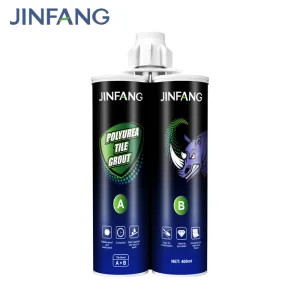
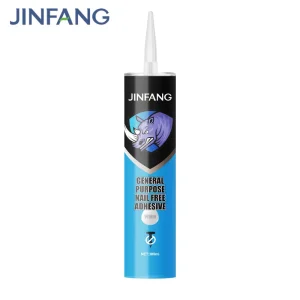
Expert answers to common engineering questions regarding the application of high-performance sealants in challenging climates.
Get in touch with our technical sales engineers to discuss custom formulations, volume pricing structures, or request physical product samples for testing.
Send Inquiry Now Jinfang