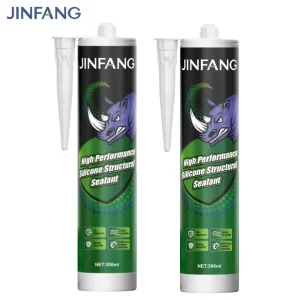
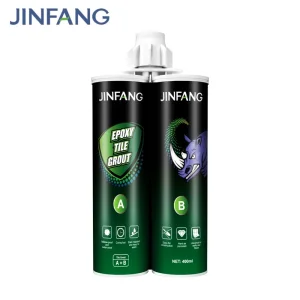
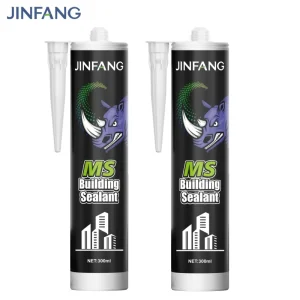
Premium grade, high-performance sealing and bonding solutions optimized for the United Kingdom's rigorous building regulations and automotive requirements.
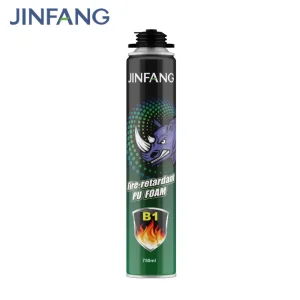
The United Kingdom's construction, engineering, and manufacturing sectors are undergoing rapid transformations driven by updated thermal efficiency standards, decarbonization goals, and post-Grenfell fire safety regulations. As developers and main contractors adapt to these shifts, structural sealant performance has transitioned from a basic commodity specification to a safety-critical engineering variable.
Across England, Wales, Scotland, and Northern Ireland, demand is escalating for high-yield, environmentally responsible elastomeric materials. Key growth areas include:

Our formulations undergo strict testing to align with BS EN 15651 specifications, guaranteeing peace of mind for British surveyors, main contractors, and structural engineers.
Developed in collaboration with leading institutions including Shandong, Xiamen, and Linyi Universities, bridging chemical theory with raw material performance.
Our lean manufacturing framework guarantees an average 15-day production cycle, enabling reliable logistics directly to UK logistics depots.
For modern UK glazing installers and construction consortia, understanding chemical variations is crucial to preventing long-term seal failure. The UK's temperate climate—characterized by high precipitation, rapid thermal fluctuations, and high relative humidity—demands specialized formulations.
Silicone Sealants (Neutral vs. Acetic): Neutral cure systems are the industry standard for high-rise glass curtain walls, offering superior adhesion to stone, glass, and aluminum. Acetic cure products provide cost-effective, rapid-vulcanization for sanitary application where anti-fungal properties are crucial.
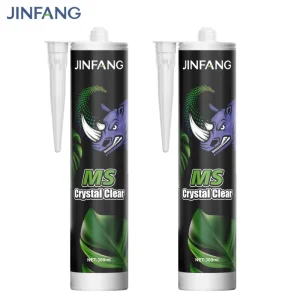
Modified Silane (MS) Polymer Technology: MS Polymers represent the future of eco-friendly building envelopes. They combine the UV-resistance of silicones with the robust mechanical strength of polyurethanes. Being solvent-free, highly paintable, and completely odorless, they align seamlessly with modern UK indoor air quality (low VOC) guidelines.
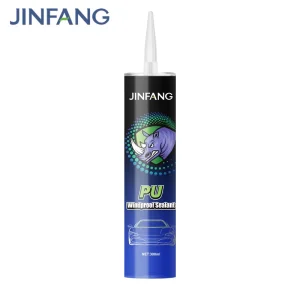
Polyurethanes (PU): High-modulus PU sealants provide unmatched mechanical strength for structural joints and automotive glass replacement, maintaining elastomeric properties under constant mechanical shear.
A reference guide for project specification managers seeking compliance with UK Building Regulations.
| Polymer Base | UK Standard Compliance | UV & Weathering Resistance | Tensile Strength (Modulus) | Recommended Applications |
|---|---|---|---|---|
| MS Polymer | BS EN 15651-1: F-EXT-INT-CC | Excellent (Non-yellowing) | Medium to High | Perimeter sealing, structural glazing, expansion joints |
| Neutral Silicone | BS 5889 Type A / ISO 11600 | Outstanding (30+ Year lifespan) | Low to Medium | Curtain walls, window frames, non-porous masonry |
| Polyurethane (PU) | BS EN 15651-4: PW-EXT-INT | Moderate (Requires coating) | Very High | Civil engineering, automotive bodywork, subfloor bonding |
| Water-Based Acrylic | BS EN 15651-1: F-INT | Low (Indoor use) | Low (Highly flexible) | Internal decorators caulk, drywall gaps, skirting boards |
Shandong Jinfang Adhesive Industry Co., Ltd. matches global volume capacity with tailored technical compliance for the UK, European, and South American markets.
Explore our complete technical adhesive portfolio. Developed for high-volume procurement, contract packaging, and custom OEM formulations.
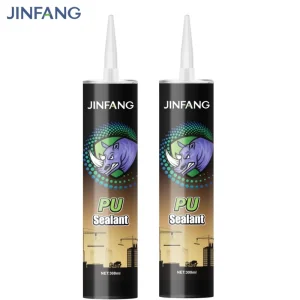
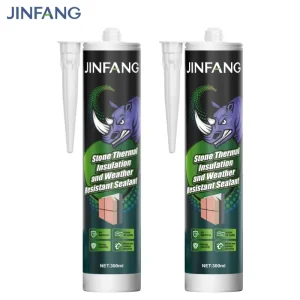
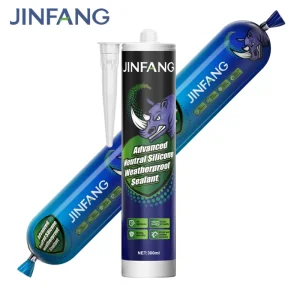

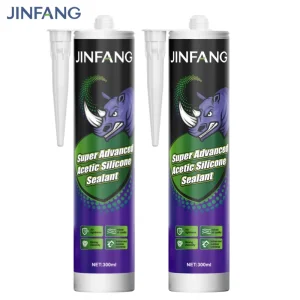
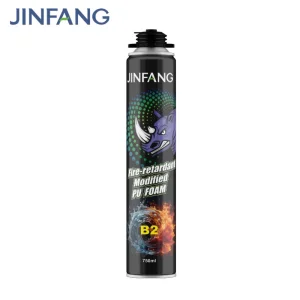
Providing specialized engineering adhesives for rapid assembly, heavy-duty mounting, and sustainable envelope designs in modern architectural projects.
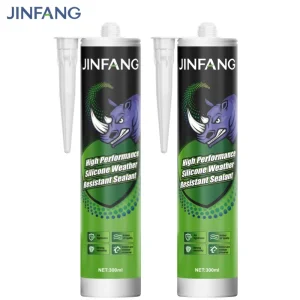
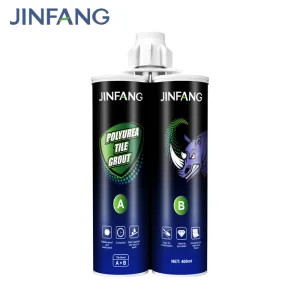
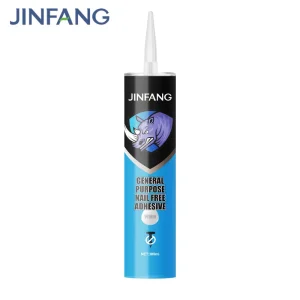
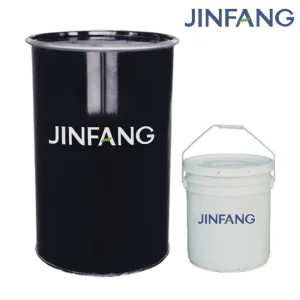
We provide full white-label and bespoke chemical customisation for global sealant brands, offering custom cartridge filling, sausage packaging, and bulk drums to suit precise industrial applications.
Whether you require adjustments to open cure times for high-volume automated factory lines, high-viscosity non-slump properties for vertical structural glazing, or custom packaging options, our R&D department will engineer a solution.

In-depth responses to the most common queries from structural engineers, buyers, and distribution networks.
Direct factory pricing, custom formulations, and certified compliance options tailored to your supply requirements. Get in touch with our R&D team to request technical datasheets or bulk samples.
Send Inquiry Now Jinfang