Advanced structural bonding and sealing products customized to meet demanding European construction frameworks and Austrian building standards.
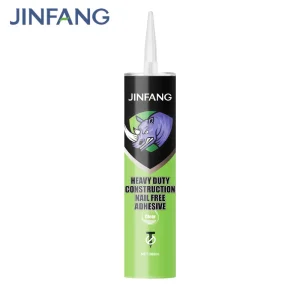
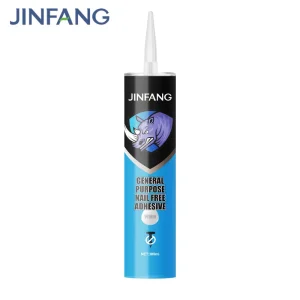
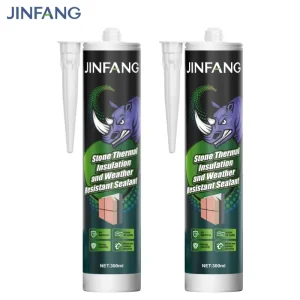
The global industrial adhesive sector is undergoing a profound structural transition. Traditional mechanical fasteners—such as anchors, screws, and nails—are increasingly replaced by high-performance chemical bonding materials, particularly in developed European economies. In Austria, a nation characterized by pioneering timber engineering (Holzbau), demanding thermal performance criteria, and strict environmental compliance, the integration of advanced nail-free glues has transitioned from an optional labor-saving convenience to an engineering necessity.
Austria’s building sector must reconcile extreme microclimatic challenges. Construction projects situated in Alpine zones encounter massive diurnal thermal fluctuations, driving significant physical contraction and expansion in building substrates. Standard rigid mechanical fixings risk concentrating high structural stress points, accelerating degradation in modern composite materials. By contrast, elastomeric formulation technologies like Silane Modified Polymers (MS Polymers) and Advanced Polyurethanes distribute dynamic loads uniformly across the entire bond line, eliminating stress concentration and preserving substrate integrity over multi-decadal cycles.
For an adhesive to gain market approval and structural acceptance within Austria, it must comply with stringent national and European specifications. Foremost among these are the ÖNORM standards regulating structural stability, and the environmental regulations governing indoor air quality (IAQ). Our nail-free formulations are rigorously engineered to comply with the European Union's REACH regulation and are optimized to achieve low-VOC certifications such as the German EMICODE EC1 Plus and French VOC Class A+ standards, ensuring safe deployment in sensitive interior projects, prefabricated housing assemblies, and public municipal buildings.
Let us examine the structural divergence between primary chemical adhesive systems used in commercial building applications:
| Adhesive Formulation | Primary Advantages | Austrian Compliance Rating | Tensile Shear Strength (MPa) |
|---|---|---|---|
| Modified Silane (MS) Polymer | Isocyanate-free, UV-resistant, paintable, excellent damp-substrate bonding. | Excellent (EMICODE EC1 Plus / ÖNORM Compliant) | 2.8 – 3.5 MPa |
| Advanced Polyurethane (PU) | Exceptional structural load tolerance, high durability, gap-filling expandability. | Good (Required for heavy-duty timber panels) | 4.0 – 5.5 MPa |
| Synthetic Rubber / Solvent-Base | Rapid green strength, high initial grab on porous materials. | Restricted (Limited use in low-VOC indoor builds) | 2.0 – 2.5 MPa |
| High-Tech Water-Based Acrylic | Eco-friendly, easy cleanup, optimal for interior trim and moldings. | Excellent (Zero VOC, highly compatible with drywall) | 1.8 – 2.2 MPa |
European procurement officers face a double challenge: maintaining absolute compliance with local standards while mitigating rising manufacturing costs. Domestic European chemical suppliers are increasingly burdened by soaring energy costs and local regulatory overheads, which translate directly into premium pricing and extended lead times.
Shandong Jinfang Adhesive Industry Co., Ltd. addresses this gap by combining state-of-the-art manufacturing infrastructure with strategic R&D collaborations. Operating out of Shandong Province, a cornerstone of China's heavy chemical industry, our facility runs fully integrated production lines—from precision raw material processing and automated chemical compounding to customized cartridge injection molding and logistics packing.
Our core R&D competitiveness is reinforced through collaborative laboratory partnerships with leading national institutions, including Shandong University, Xiamen University, and Linyi University. This academic integration allows us to rapidly prototype, optimize formulas, and implement structural innovations (such as next-generation, high-grab MS hybrid polymers) far faster than traditional suppliers.
Nail-free structural adhesives must perform reliably across a wide range of local building and manufacturing environments in Austria:
Austria's leading prefab home manufacturers require flexible adhesives to secure wall assemblies, interior wood panelling, and flooring membranes. Our high-modulus MS Polymer glues accommodate structural shifting without compromising the thermal shell.
Affixing external thermal insulation composite systems (ETICS) and heavy facade rain-screen panels. The adhesive must withstand sub-zero wind-load pressures and persistent UV exposure typical of the high altitude zones.
Austria's automotive components cluster demands adhesive formulations with high shear resistance and vibration damping. Our polyurethane and structural silicones prevent metal-to-metal friction and seal components securely.
Fastening gypsum board panels, skirting boards, acoustic partitions, and decorative architectural trim without nails, guaranteeing a flawless, paint-ready surface with zero shrinkage and no crack formation.
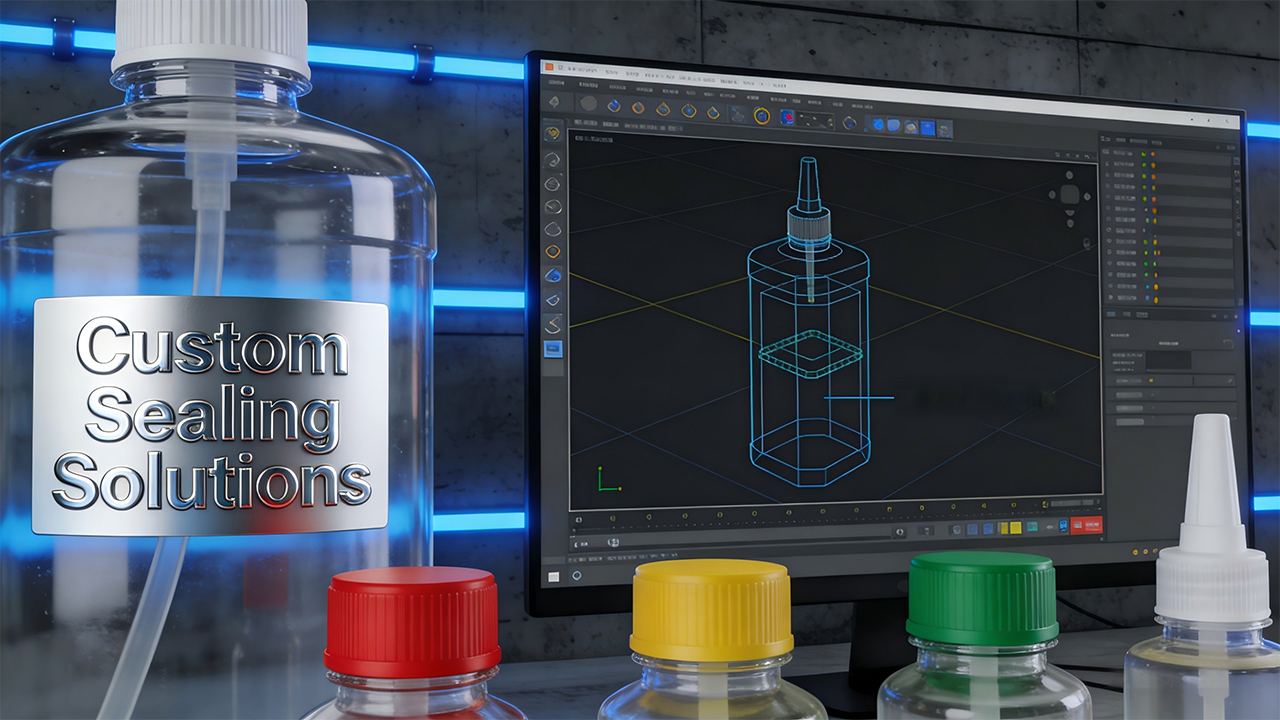
Recognizing that branding, ease of application, and regulatory display vary by jurisdiction, Shandong Jinfang provides comprehensive OEM and Customization Services designed to streamline international market entry.
Expert answers addressing chemistry, compliance, shipping, and OEM parameters for Austrian procurement managers.
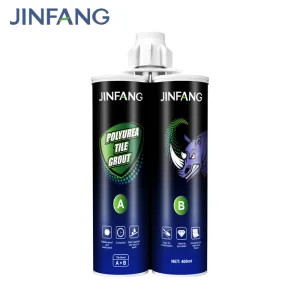
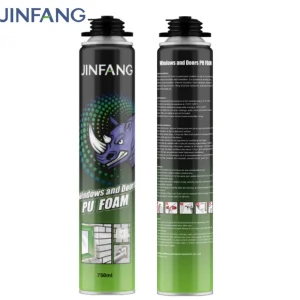
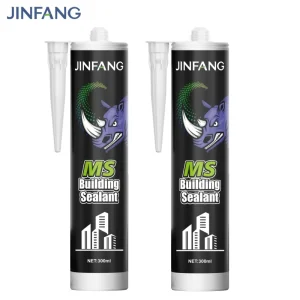
Explore our full portfolio of high-durability polymers, fire-retardant foams, and polyurea grouts engineered for European project specifications.
 Jinfang