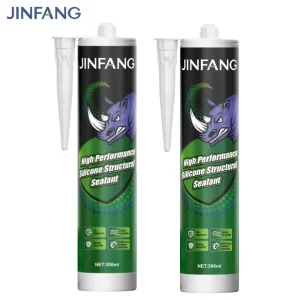
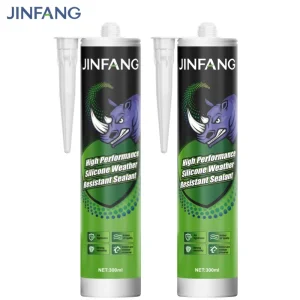
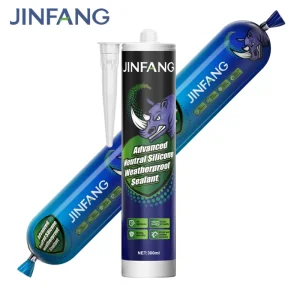
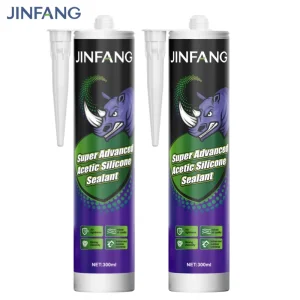
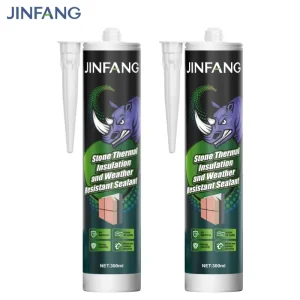
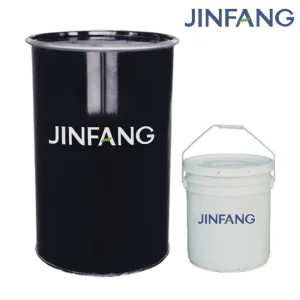
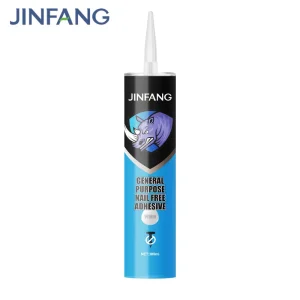
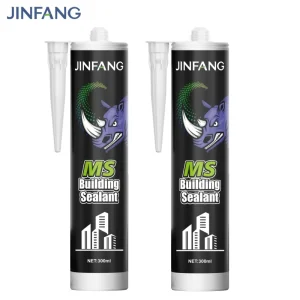
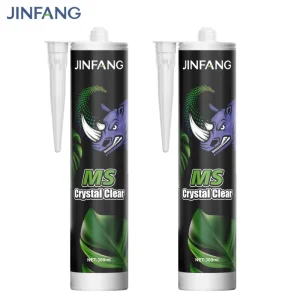
Engineered to meet rigorous structural, environmental, and thermal requirements. Select a system configuration to download technical specifications.
Tokyo's metropolitan environment is synonymous with extreme architectural performance. As a dense megalopolis vulnerable to significant seismic activity, seasonal typhoons, and localized heat island effects, structural materials must operate under severe physical constraints. Standard adhesive formulas frequently degrade when subjected to the persistent thermal cycles and movement stresses native to Tokyo’s skyscrapers and structural building envelopes.
For high-rise facades in major wards like Minato, Shinjuku, and Chiyoda, structural silicone sealants are not merely cosmetic options; they are vital load-bearing elements. These sealants must sustain dynamic joint movements and continuous wind shear, while simultaneously maintaining hermetic barriers against precipitation. Our product portfolio is carefully developed to meet and exceed these exact conditions, offering extreme elastic recovery and high tensile strength to guarantee structural stability for years to come.
Furthermore, Tokyo’s strict building codes require comprehensive certifications for all structural components. Standard commercial building projects rely on specialized sealants to satisfy safety margins. Jinfang's engineering formulations provide the chemical durability, UV-resistance, and long-term elasticity required to keep your building systems running safely and efficiently.

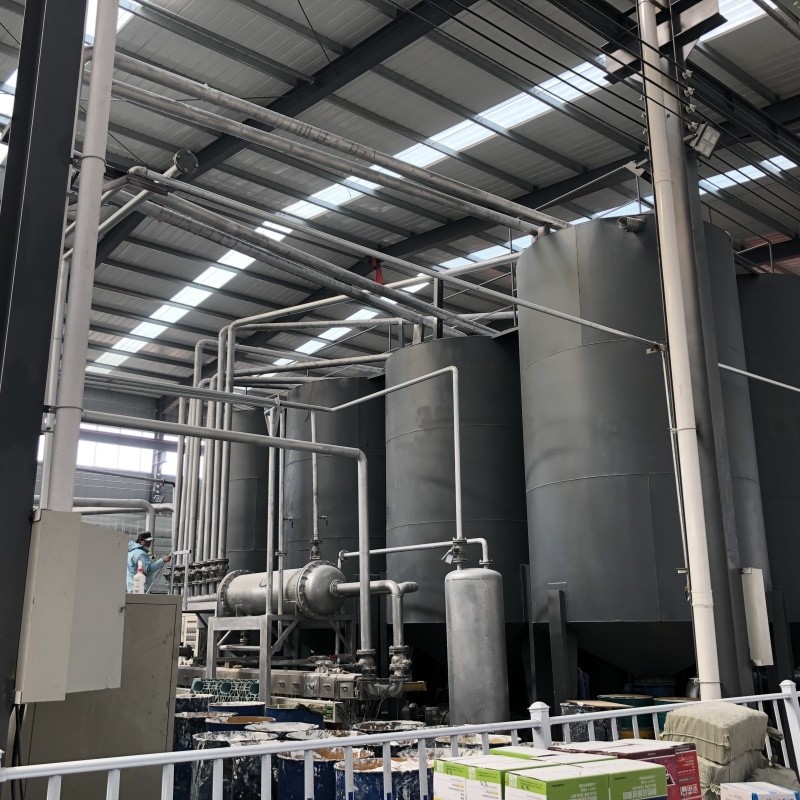
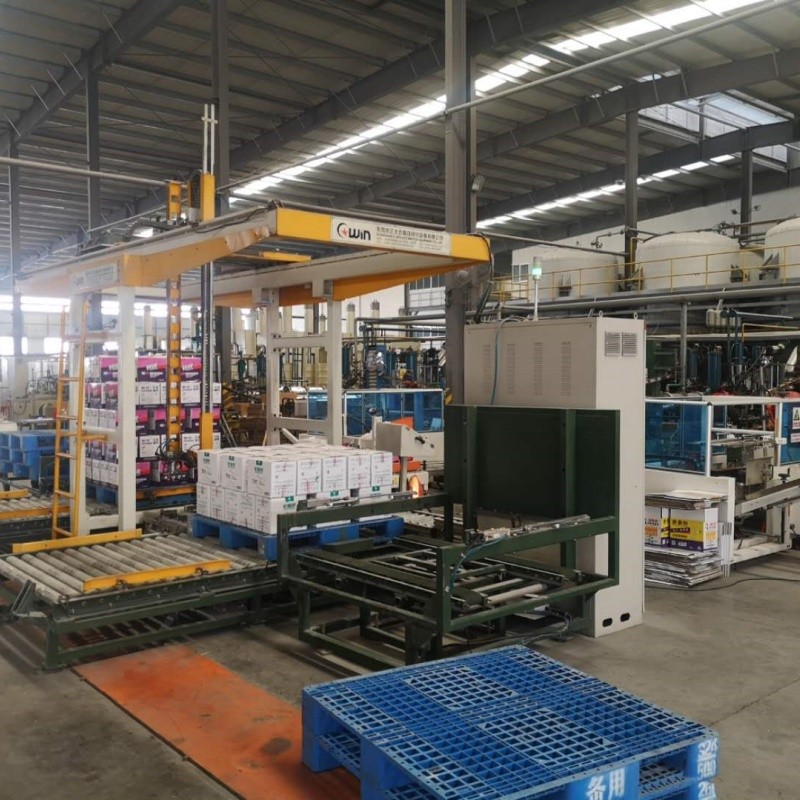
Combining high-capacity automated production lines with rigorous testing procedures, we ensure consistent quality, reliable delivery, and long-term joint integrity.
Specially formulated to absorb dynamic multidirectional shifts, preserving adhesion to aluminum anodized profiles and glass panels during seismic events.
Exhibits superior UV degradation resistance and temperature tolerance, preventing hardening, chalking, and premature joint failure under changing seasonal weather.
Engineered to meet international green building certification standards, minimizing indoor volatile organic compounds (VOCs) for safe, modern offices.
Silicone sealants polymerize via two primary mechanisms, each offering distinct advantages depending on substrate composition and environmental exposures:
Architectural engineering in Tokyo demands materials that can absorb high levels of structural movement. When seismic waves move through a high-rise building, curtain wall frames experience significant lateral shear. If a sealant does not possess sufficient movement capability (e.g., class 50 or 100/50), the structural joint will fail, potentially detaching glass panels or compromising weatherproofing barriers. Our high-performance structural sealants are designed to distribute mechanical stress evenly across the joint, preserving their elastic properties during continuous displacement cycles.
High-altitude glass facade joints are subjected to intense solar radiation. Standard organic polymers degrade under UV exposure, leading to discoloration, brittleness, and cracking. The silicon-oxygen (Si-O-Si) backbone in our silicone sealants has a bond energy of approximately 460 kJ/mol, which is far higher than the carbon-carbon (C-C) bonds in polyurethane sealants. This stable molecular structure allows our sealants to remain flexible and functional from -50°C up to 150°C, providing decades of maintenance-free service.
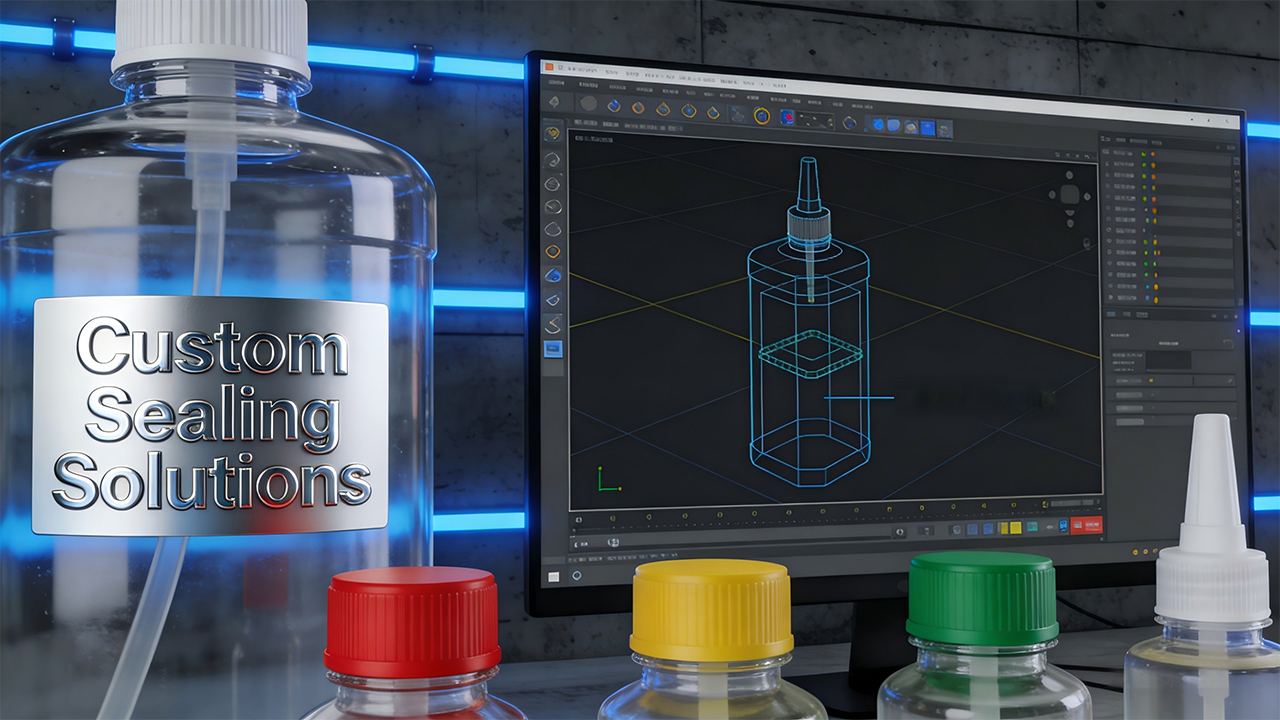
Recognizing the distinct technical and logistical challenges of global distributors and municipal contractors, we provide highly flexible OEM and custom formulation services. Our technical R&D team can tailor packaging styles (including foil sausages, rigid cartridges, and large drums) alongside formulation adjustments like viscosity, skin time, and pigmentation to match your specific application requirements. Through rigorous QA/QC oversight, we guarantee that every batch meets the exact specifications required for high-rise Tokyo projects.
Explore our technical applications and projects utilizing Jinfang's advanced silicone, polyurethane, and modified silane technologies.
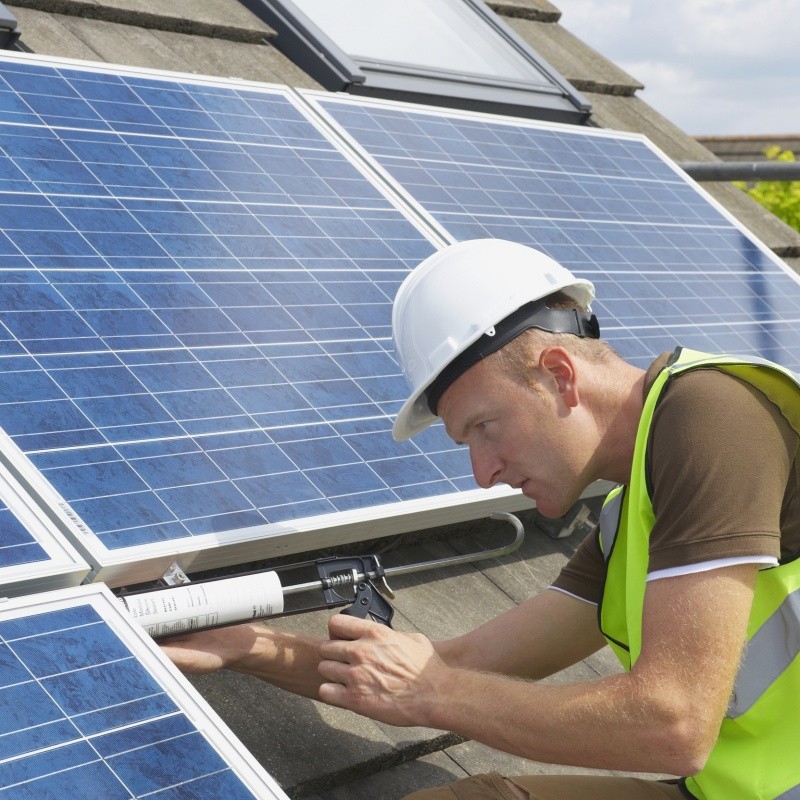
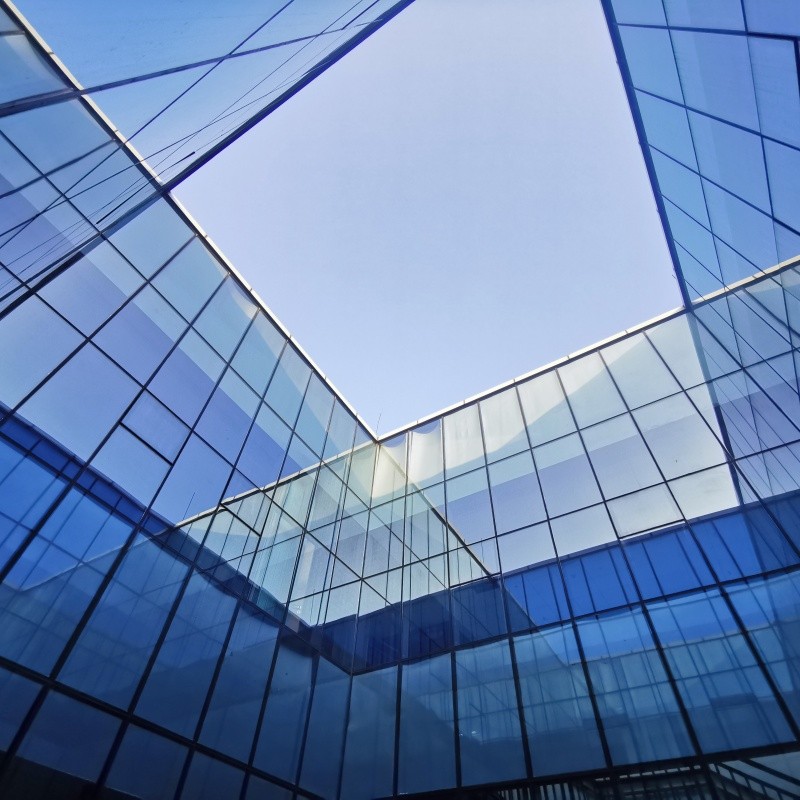
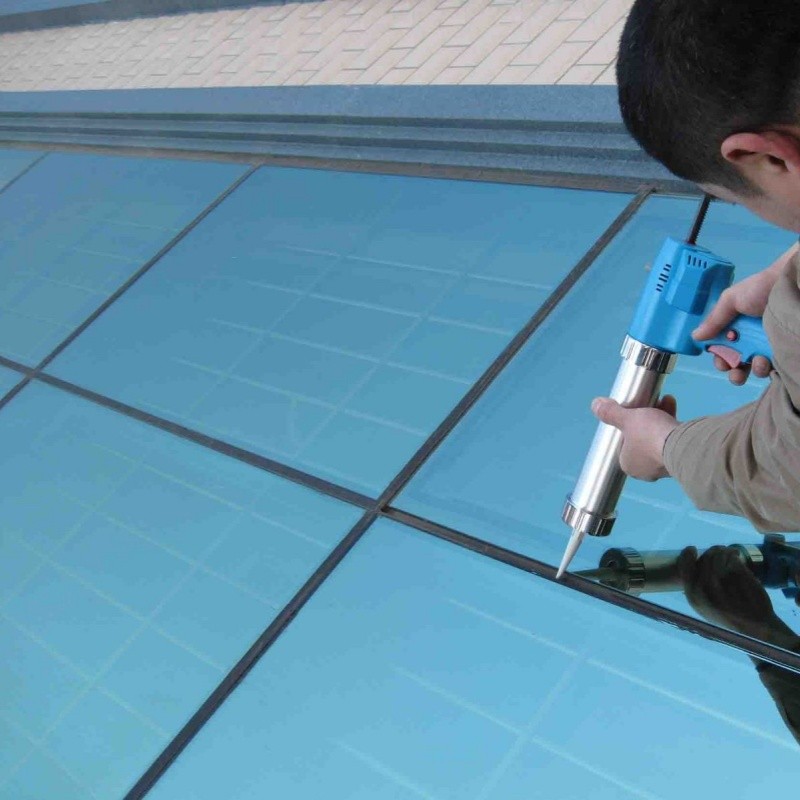
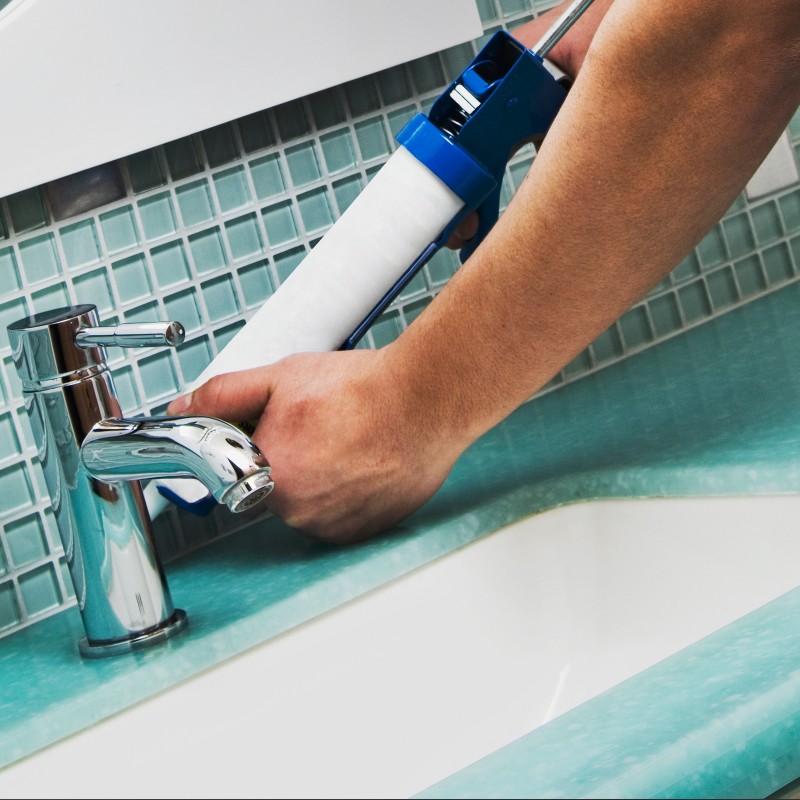
A complete selection of specialty sealants, MS polymers, and nail-free adhesives designed for both industrial production and field construction.
As structural facades grow more complex and carbon footprint restrictions tighten, the chemistry of sealants must adapt. Here is how our R&D pipeline is leading the industry:
Traditional polyurethanes often contain hazardous isocyanates and are susceptible to bubbling when applied to damp substrates. Standard silicones, on the other hand, can release silicone oils that stain natural stones like marble and granite. Modified Silane (MS) polymers combine the weatherability of silicones with the paintability and non-staining characteristics of polyurethanes. Our eco-friendly MS sealants are becoming the preferred choice for prefabricated modular concrete buildings across Tokyo's surrounding prefectures, providing reliable, stain-free joints.
In response to international decarbonization initiatives and green building certifications, our R&D team is developing silicone sealants made from bio-derived raw materials. These formulas replace petroleum-based plasticizers with renewable organic alternatives, significantly lowering carbon footprint without sacrificing mechanical properties, UV resistance, or elasticity.
Effective building envelopes require high-performance thermal barriers. Our fire-retardant PU foam sealants provide thermal and acoustic insulation around door and window frames. These formulations expand uniformly to fill structural cavities, preventing thermal bridging and improving energy efficiency in modern, high-density residential structures.
To maintain our technological edge, Shandong Jinfang Adhesive Industry Co., Ltd. collaborates closely with top academic institutions, including Shandong University, Xiamen University, and Linyi University. These partnerships allow us to incorporate cutting-edge polymer engineering into our commercial formulations.
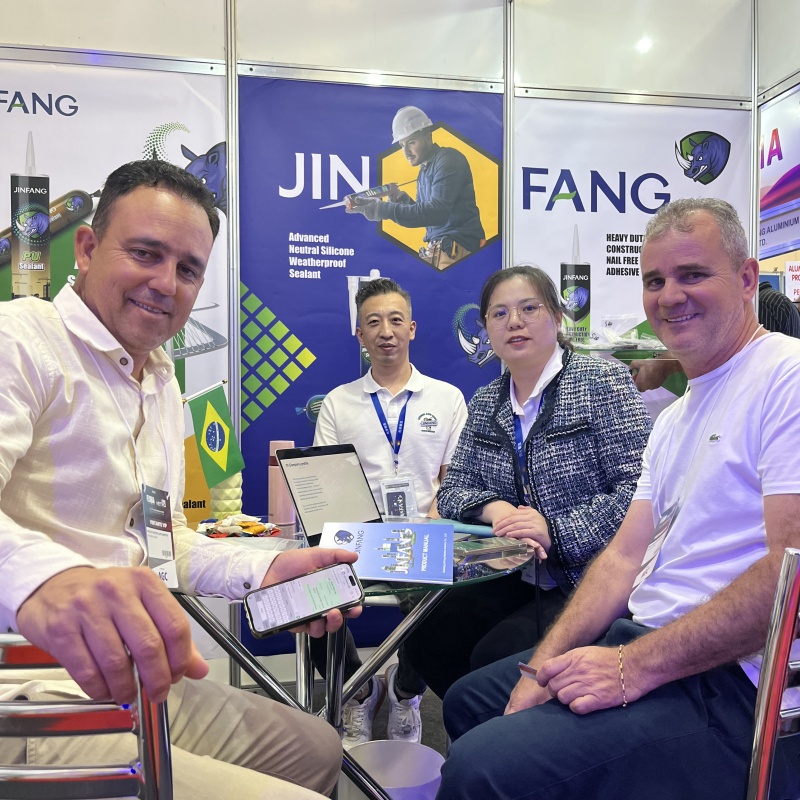
Exporting to highly regulated markets requires adhering to strict material safety and quality standards. Our manufacturing facilities operate under comprehensive management systems, ensuring full compliance with international standards:
Our automated production facilities manage every step of the process—from raw material formulation to cartridge molding and packaging. This end-to-end control minimizes batch-to-batch variation, ensuring that every shipment of Jinfang sealants delivers reliable performance in the field.
Clear, professional answers to common questions about selecting and applying structural sealants in demanding environments.
Get in touch with our engineering team for custom formulations, bulk pricing, or to request product samples for testing.
 Jinfang