1
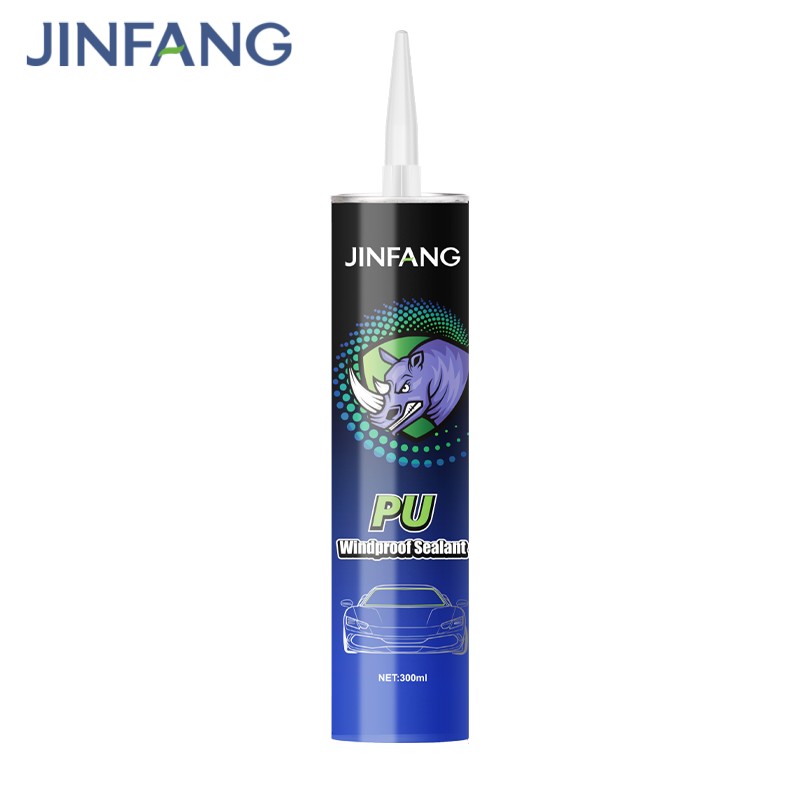
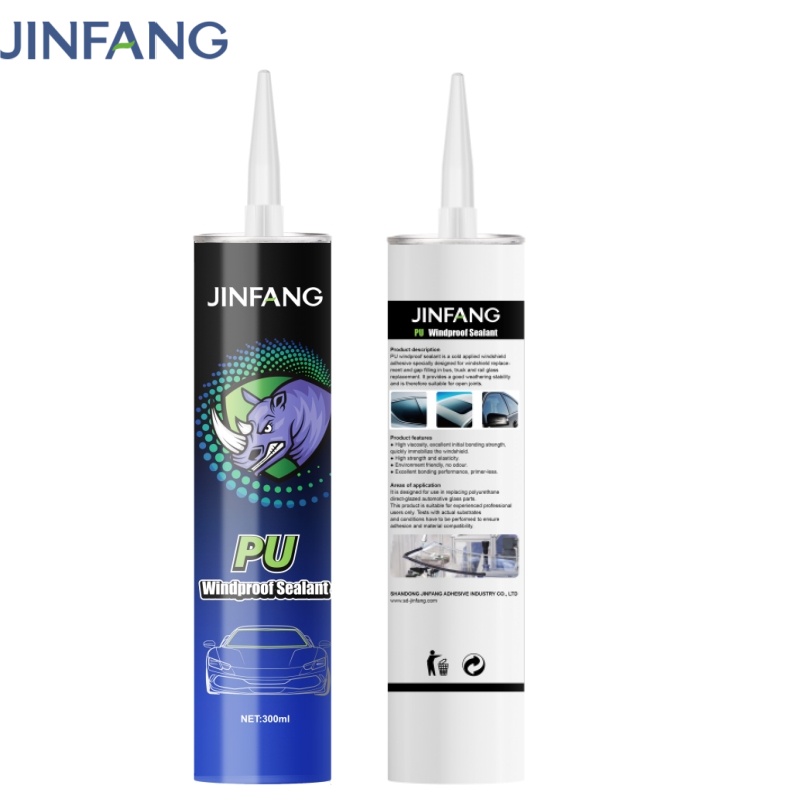
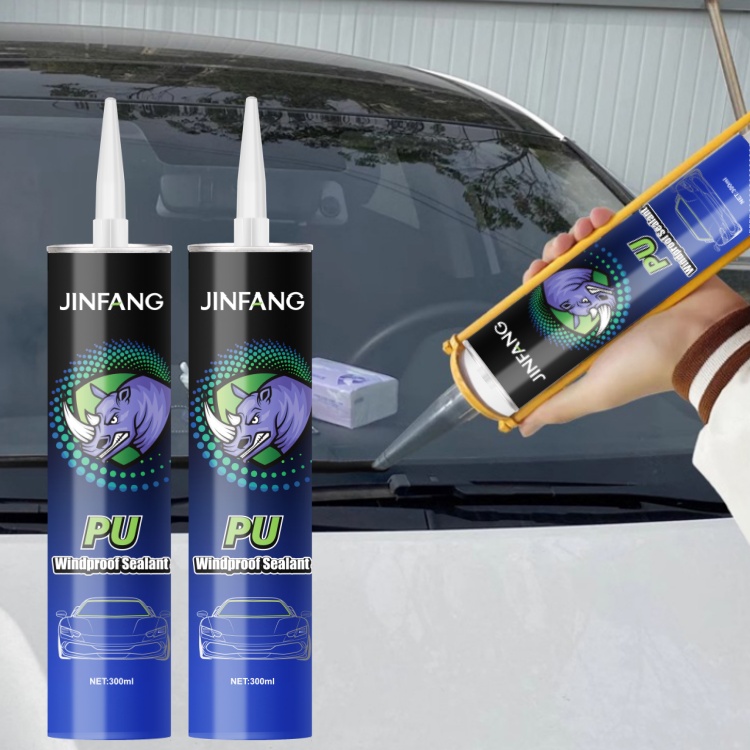
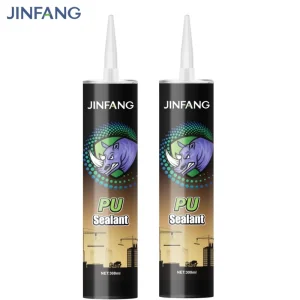
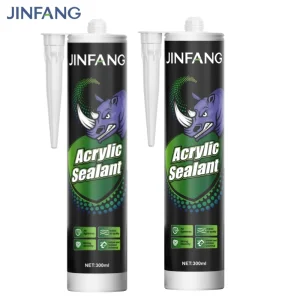
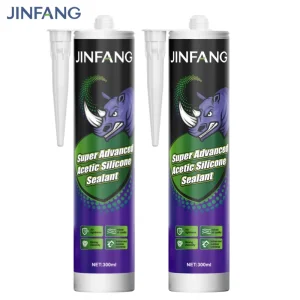
This sealant stands out due to its exceptional material science. Unlike rigid adhesives, its polyurethane formulation cures to a tough yet highly elastic rubber seal. This elasticity is critical for automotive applications, as it accommodates the constant thermal expansion and contraction of metal, plastic, and glass substrates, as well as structural flexing and vibration, without cracking or losing adhesion. It exhibits superior resistance to water, humidity, road salts, oils, and most automotive fluids, preventing corrosion and leaks. Furthermore, it offers excellent adhesion to a wide variety of materials commonly used in vehicles, including painted and unpainted steel, aluminum, plastics (like ABS and fiberglass), and glass, eliminating the need for multiple specialized products.
2
Its performance spectrum is impressive, with a functional temperature range from -40°C to +90°C (-40°F to 194°F), ensuring reliability in all climates. Many formulations also feature UV resistance, preventing degradation and discoloration when exposed to sunlight, which is essential for exterior applications like windshield seals or sunroof frames. For ease of use, it is often supplied in a ready-to-apply cartridge format compatible with standard caulking guns, with a user-defined curing time that allows for adjustment before it sets into its final, high-strength state.
 Jinfang