 Jinfang
1 / 4
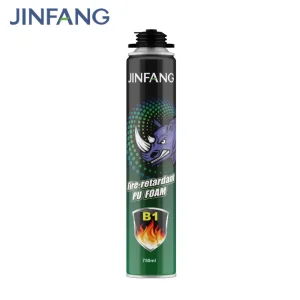
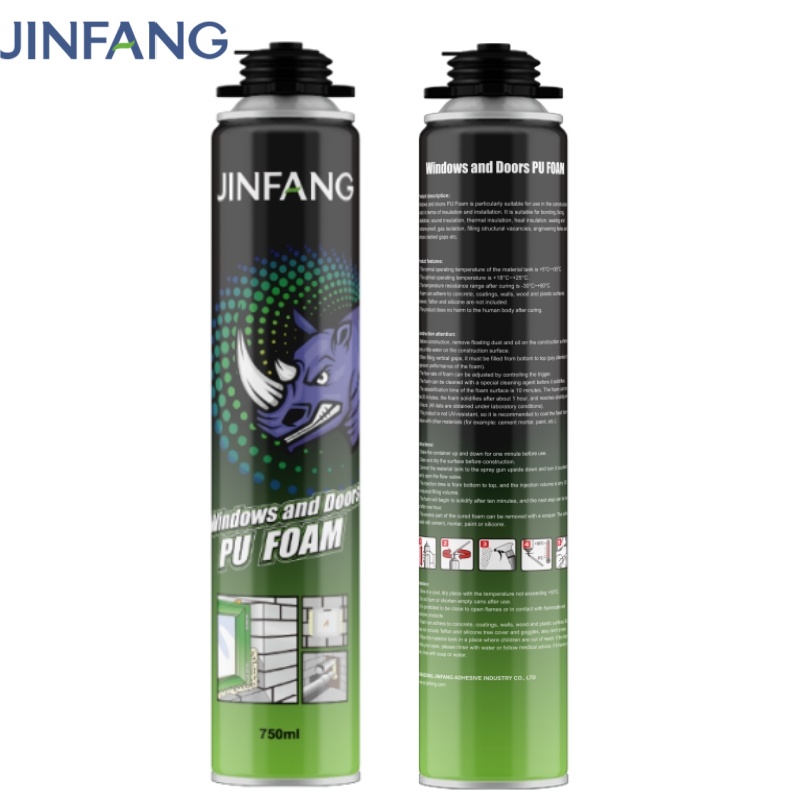
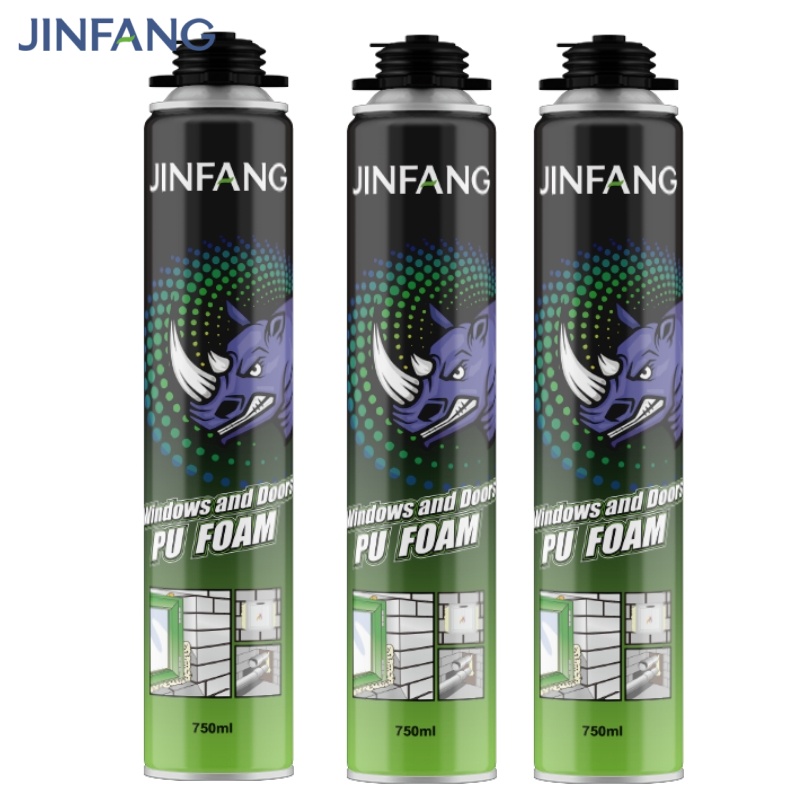
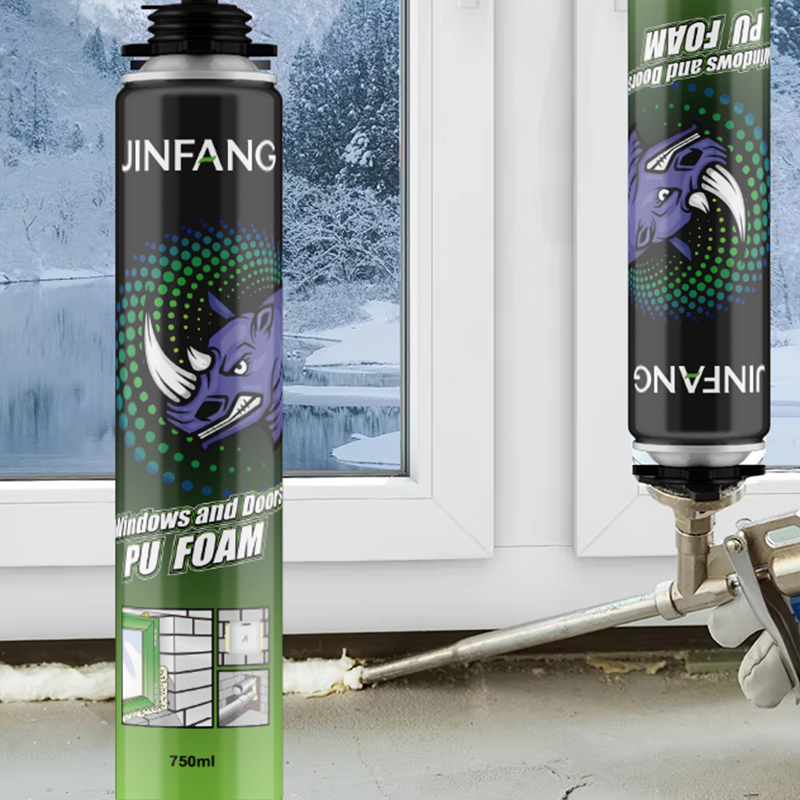
This foam exhibits strong, permanent adhesion to a wide range of common construction materials, including concrete, brick, masonry, wood, PVC, and aluminum. Its key characteristic is controlled, high-yield expansion, which allows it to flow into and completely fill deep, irregular, and hard-to-reach cavities around window and door frames.
The cured foam possesses a predominantly closed-cell structure, which is fundamental to its insulating performance. Each sealed cell traps inert gas, creating an extremely effective barrier against heat transfer. This drastically reduces thermal bridging, minimizing heat loss in winter and heat gain in summer.
Unlike simple filler materials, the cured polyurethane foam develops significant rigidity and compressive strength. It provides substantial mechanical support to window and door frames, helping to distribute operational stresses and wind loads, preventing frame distortion.
The closed-cell nature of the foam makes it highly resistant to moisture absorption. It will not rot, wick water, or promote mildew growth within its structure, helping to protect the integrity of the surrounding building elements from water damage.
This foam bonds strongly and permanently to a wide variety of common construction materials, including concrete, brick, masonry, wood, PVC, and aluminum.
The closed-cell structure traps inert gas, creating a highly effective thermal barrier. By minimizing heat transfer, the foam significantly reduces heating and cooling loads.
Yes. The dense, cellular matrix effectively absorbs and dampens airborne sound wave vibrations, contributing to a quieter interior environment.
Absolutely. Thanks to its closed-cell structure, the foam does not absorb water, wick moisture, or support mildew growth.
Yes. Once cured, the foam develops significant rigidity, mechanically supporting the frame and helping to prevent frame distortion.
It is stable across a wide temperature range and resistant to aging, ensuring the seal does not shrink or crumble over time.