Explore our advanced structural sealants, weatherproofing systems, and precision bonding formulations manufactured to strict international standards.
Strategically located in the heart of Shandong Province, a major industrial hub in China, Shandong Jinfang Adhesive Industry Co., Ltd. stands as a premier enterprise specializing in the research, development, and mass production of high-performance adhesives, sealants, and custom chemical polymers.
By integrating advanced chemical synthesis pathways, fully automated filling systems, and precision testing labs, we deliver world-class products. We have established deep academic research partnerships with leading Chinese universities, including Shandong University, Xiamen University, and Linyi University. This collaborative framework allows us to recruit elite R&D talent and quickly commercialize breakthroughs in polymer science.
"Our objective is to deliver advanced materials engineered to meet the demands of modern industry, ensuring structural longevity, stability under extreme heat, and absolute environmental compliance."

A comprehensive examination of structural bonding chemistry, procurement criteria, and future technical roadmaps for industrial buyers.
The global demand for industrial-grade epoxies and cross-linking sealants has reached unprecedented levels. Modern engineering projects require materials that perform functions beyond basic adhesion: they must seal against moisture, endure massive thermal expansion, absorb high vibration, and prevent chemical corrosion over decades of exposure.
Industrial epoxy resins are characterized by their epoxide rings, which react with a variety of curing agents (such as amines, anhydrides, and polyamides) to create dense, three-dimensional thermosetting networks. These structures provide high shear strength, low shrinkage, and chemical inertness. Similarly, specialized polymer compounds, including Modified Silanes (MS Polymers), Polyurethanes (PU), and Silicones, serve vital roles. By balancing flexible backbones with high-strength structural cross-linking, these polymer families allow engineers to build assemblies that survive high stresses in construction, automotive assembly, and heavy industry.
Selecting the correct matrix depends on the specific project environment. Epoxy resins are highly valued for their load-bearing structural strength and chemical resistance. In contrast, silicone-based formulations provide excellent weatherproofing and UV resistance. Modified Silane (MS) sealants offer paintability and primer-free adhesion, combined with low VOC emissions.
Procurement agents qualifying an adhesive or epoxy resin manufacturer look at more than price lists. To secure supply chain resilience and avoid project delays, buyers must assess manufacturers against a series of technical benchmarks:
| Polymer Class | Primary Advantages | Tensile Strength (MPa) | Elongation Limits (%) | Primary Application Sectors |
|---|---|---|---|---|
| Epoxy Resin systems | High mechanical adhesion, chemical barrier properties | 30 - 80 MPa | 1 - 8% | Composites, Aerospace, Electronics Potting |
| Silicone Sealants | Excellent UV stability, wide thermal range (-60 to +200°C) | 1 - 3 MPa | 300 - 800% | Glass Facades, Solar Panel Framing |
| Modified Silanes (MS) | Isocyanate-free, paintable, strong primer-free bonding | 1.5 - 4 MPa | 200 - 600% | Modular Construction, Automotive Bodies |
| Polyurethanes (PU) | Excellent abrasion resistance, high tear strength | 2 - 8 MPa | 400 - 700% | Concrete Joint Sealing, Wind Blade Assembly |
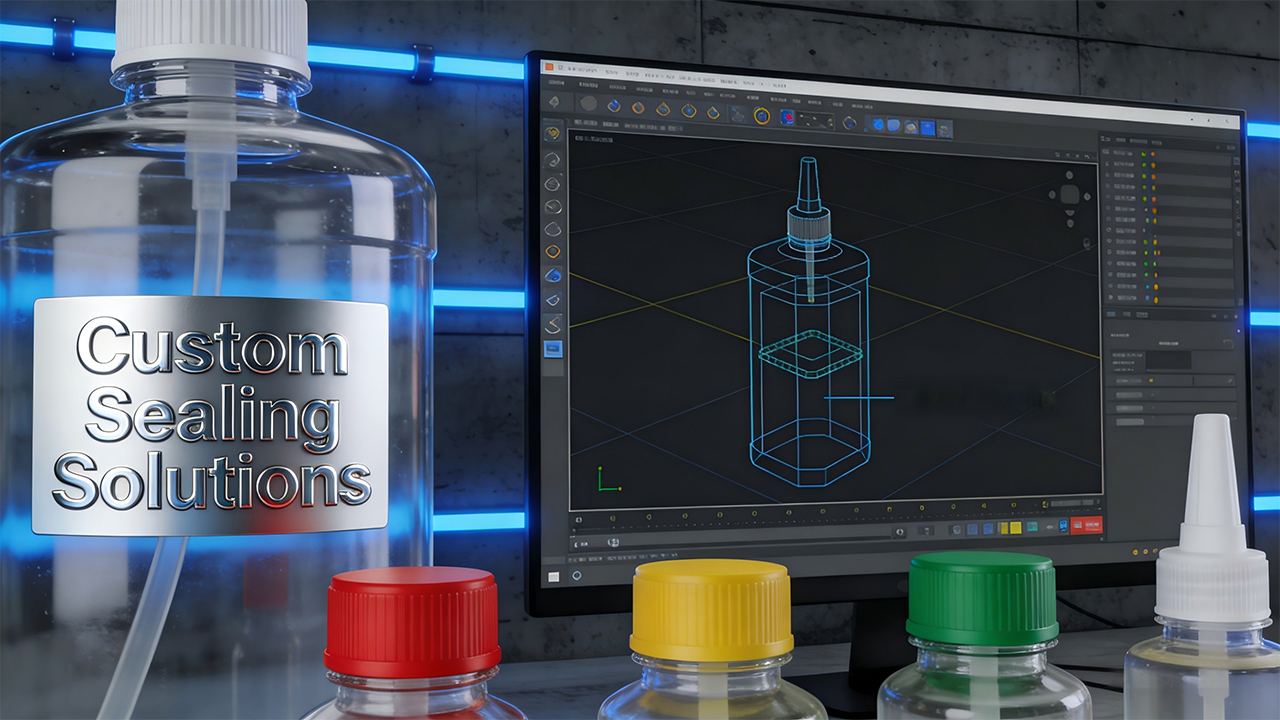
Standard chemical products often fail to meet the performance criteria of complex industrial designs. Shandong Jinfang Adhesive Industry Co., Ltd. provides OEM services that cover the complete product lifecycle:
Our adhesives and sealants are engineered for real-world durability across critical global industries:
High-performance silicone and MS sealants transmit wind loads from glass panels directly to building structures, resisting degradation from UV radiation and extreme weather conditions.
Structural adhesives bond body panels, reduce vibration, and seal critical joints, helping to improve crash safety and passenger comfort.
Our polyurethane and acrylic sealants seal concrete joints against water intrusion and chemical contamination, supporting the long-term integrity of highways and airports.
Environmental regulations and occupational health standards are driving a shift toward low-emission products. Traditional solvent-borne systems are being replaced by high-solids, water-based, and solvent-free formulations.
Shandong Jinfang has adapted to this green transition by establishing ISO 14001 certified production lines. Our water-based acrylics and MS polymer adhesives are formulated to minimize VOC emissions, ensuring compliance with LEED specifications and European indoor air quality requirements.
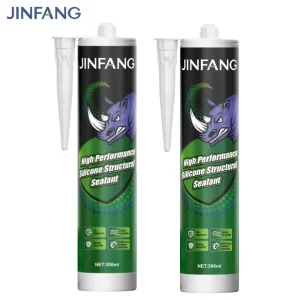
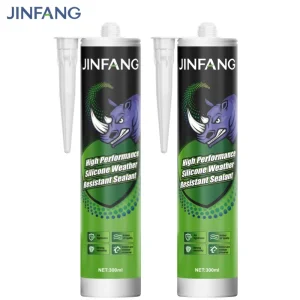
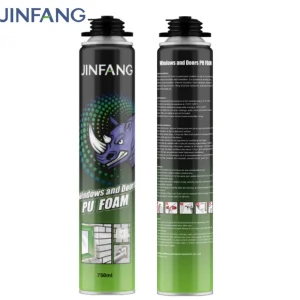
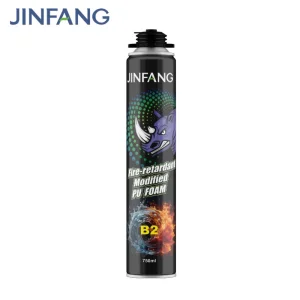
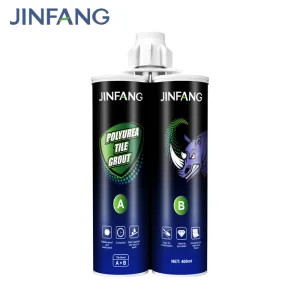
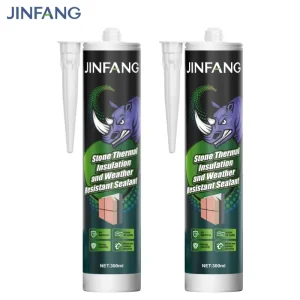
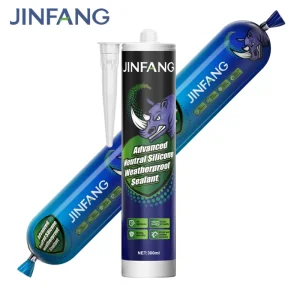
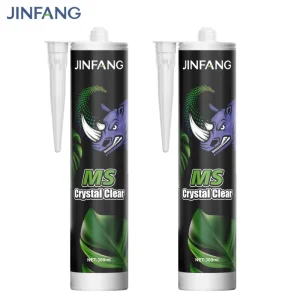
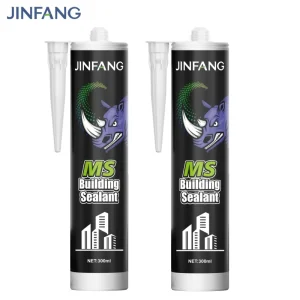
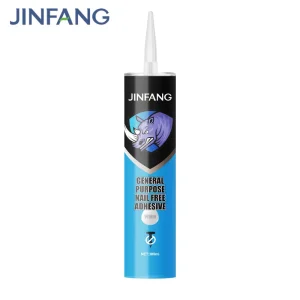
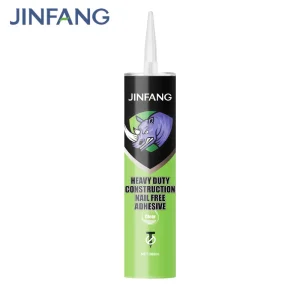
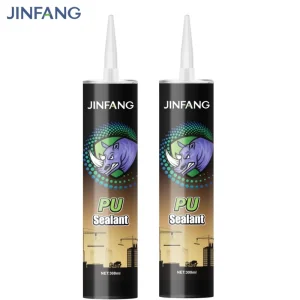
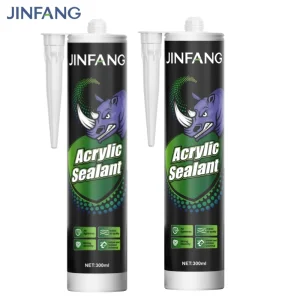
A selection of our specialized sealing formulations designed for glass facades, cleanroom sealing, concrete expansion joints, and high-strength assembly.

To support global B2B procurement pipelines, Shandong Jinfang Adhesive Industry Co., Ltd. uses integrated manufacturing lines from raw material mixing to automated packaging.
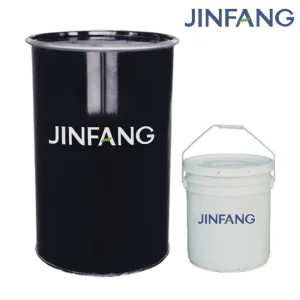
We operate fully automated filling equipment that prevents air from entering our containers, ensuring consistent quality. Our production lines support private-label print designs, offset and screen printing, and diverse packaging formats, including 300ml cartridges, foil sausages, and bulk drums.
Our quality control labs test every batch for key performance properties—such as tack-free time, cure rate, tensile strength, and shore hardness—to verify that all shipped orders meet specification limits.
Find answers to common technical, applications, and logistics questions from our engineering and R&D teams.
 Jinfang