Discover our highly rated non-silicone formulations, engineered for maximum elastic recovery, paintability, and weather resistance.
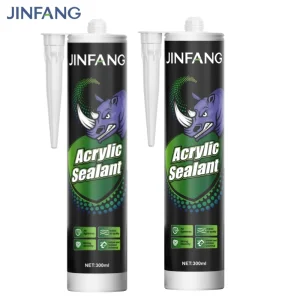
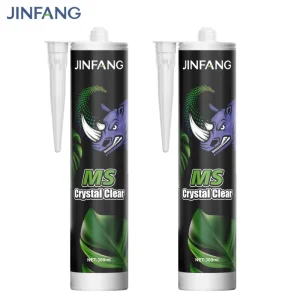
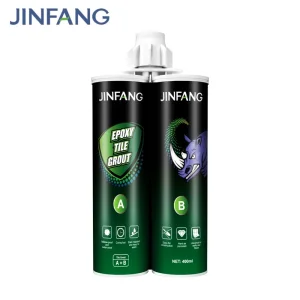
For decades, traditional silicone adhesives controlled architectural and industrial sealing. However, evolution in building materials and rigorous VOC policies have exposed their technical limits. Traditional silicones release volatile cyclic compounds (D4, D5, and D6 siloxanes) currently restricted under regional chemical frameworks like the European REACH guidelines. Structurally, silicones suffer from plasticizer migration, leaving stubborn, dust-attracting oils that permanently stain natural stone facades and precast concrete panels.
In response, industrial operations are adopting non-silicone sealants. Modern alternatives like Modified Silane (MS Polymer), Polyurethane (PU), and advanced Acrylic sealants deliver exceptional flexibility without chemical migration. They are also 100% paintable. This prevents paint rejection, a common failure in building restoration and automotive manufacturing.
According to the 2026 Global Adhesives Outlook, eco-compliant, paintable hybrid sealants have achieved an annual growth rate of 7.4% across Asia, Europe, and South America, replacing traditional silicone systems in green-certified projects.
Architects, project managers, and quality assessors choose sealants based on performance under stress. The table below highlights why non-silicone solutions are preferred for modern developments:
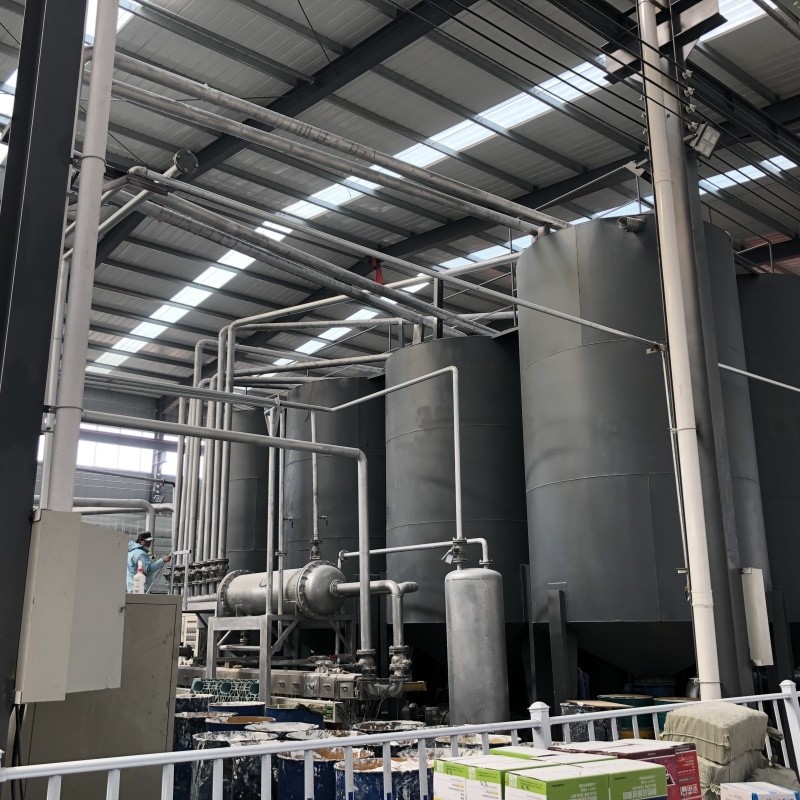
Underpinned by academic R&D partnerships and strict quality control, Shandong Jinfang Adhesive Industry Co., Ltd. delivers high-performance sealing systems globally.
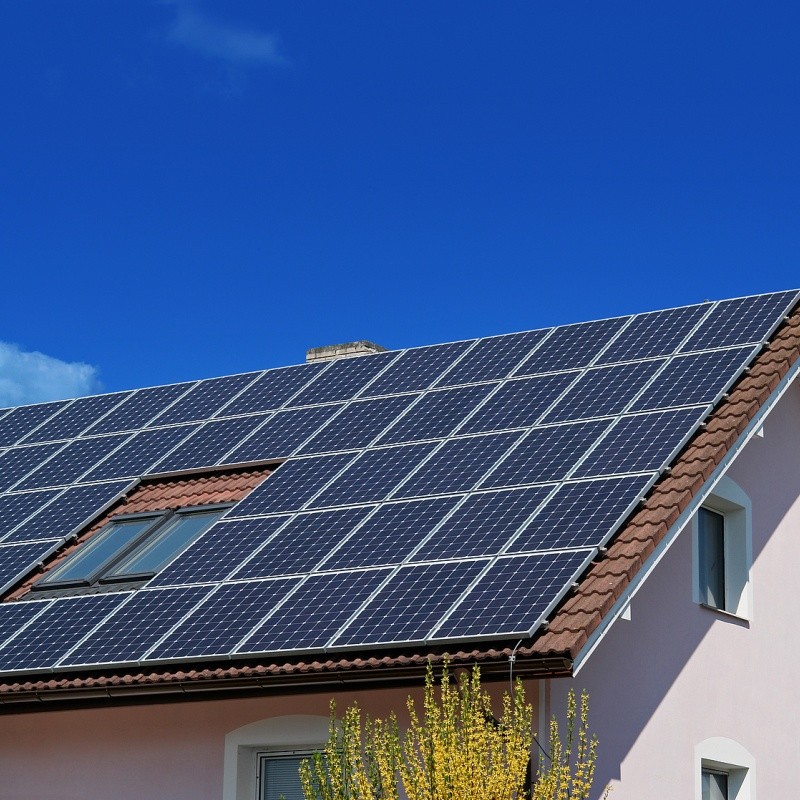
Our formulations deliver outstanding stability under challenging conditions. They are UV-stable, rain-resistant, and maintain adhesion across a wide operating temperature range. This prevents moisture, dust, and air infiltration for long-term assembly protection.
We work closely with leading Chinese universities, including Shandong University, Xiamen University, and Linyi University. These partnerships allow us to recruit top research talent and continuously refine our hybrid and MS polymer formulas.
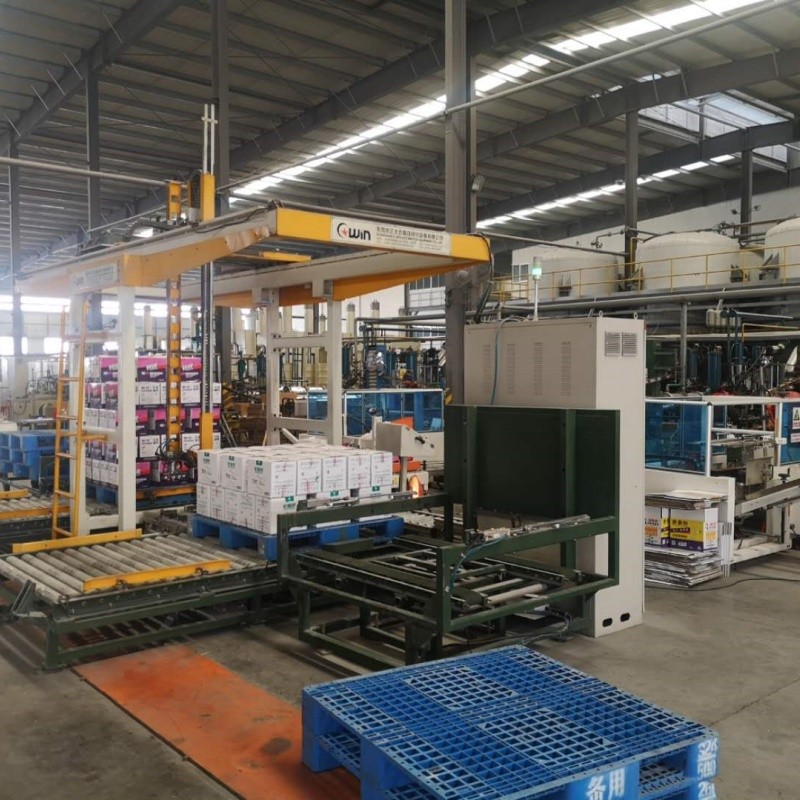
Our manufacturing processes are fully certified to ISO 9001 and ISO 14001 standards. We also meet EU IROS environmental requirements, helping our international partners comply with strict regional green building regulations.
Modern developers face challenges balancing cost constraints with strict energy efficiency and indoor air quality standards. Selecting low-grade sealants leads to early joint failures, water intrusion, mold growth, and higher maintenance expenses over a building's lifecycle.
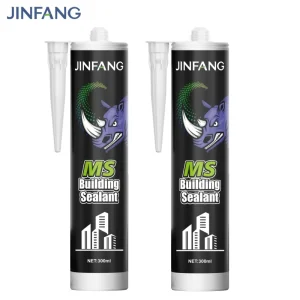
Prefabricated modular panels require sealants that can handle significant shear movement and joint expansion. Traditional sealants often pull away or stain concrete facades. Our Eco-Friendly MS Building Sealant adheres securely to concrete and masonry, resisting weathering and joint movement without staining.
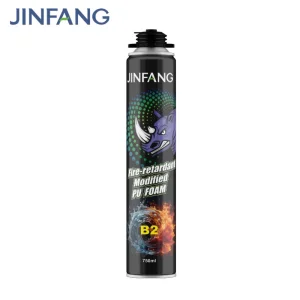
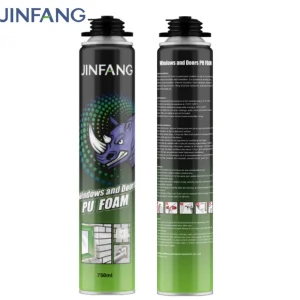
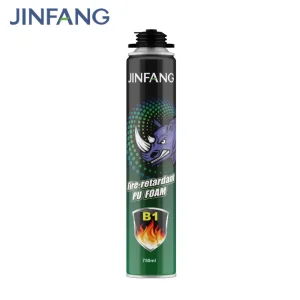
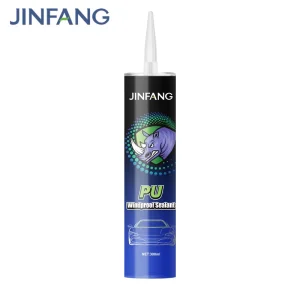
Modern building codes require continuous insulation and airtight barriers to reduce energy costs. Our polyurethane foam systems, including the Fire-Retardant PU Foam B1 & B2, expand to fill all gaps around window frames. This creates a dense, fire-safe barrier that stops heat transfer and draft infiltration.
Interior applications require non-toxic, low-odor sealants that dry quickly and accept paint. Our water-based acrylic sealants provide high elasticity, low VOC emissions, and a smooth finish for trim and baseboard joints, ensuring a professional appearance that matches interior wall colors.
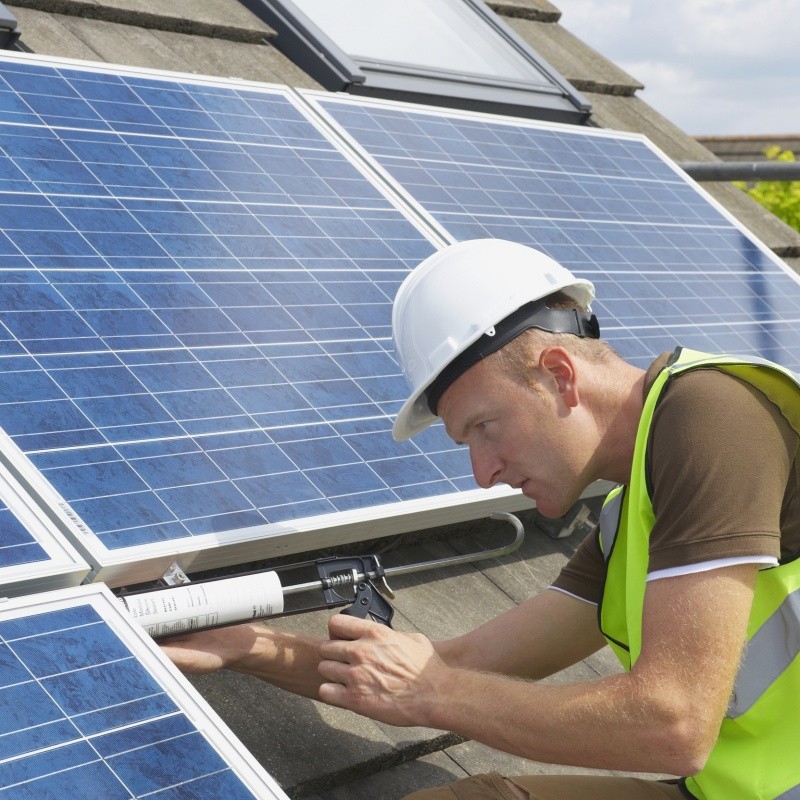
From heavy-duty construction joints to precision automotive body sealing, our non-silicone compounds provide exceptional durability and joint protection.
We formulate our products to meet the performance and regulatory demands of two primary industrial markets:

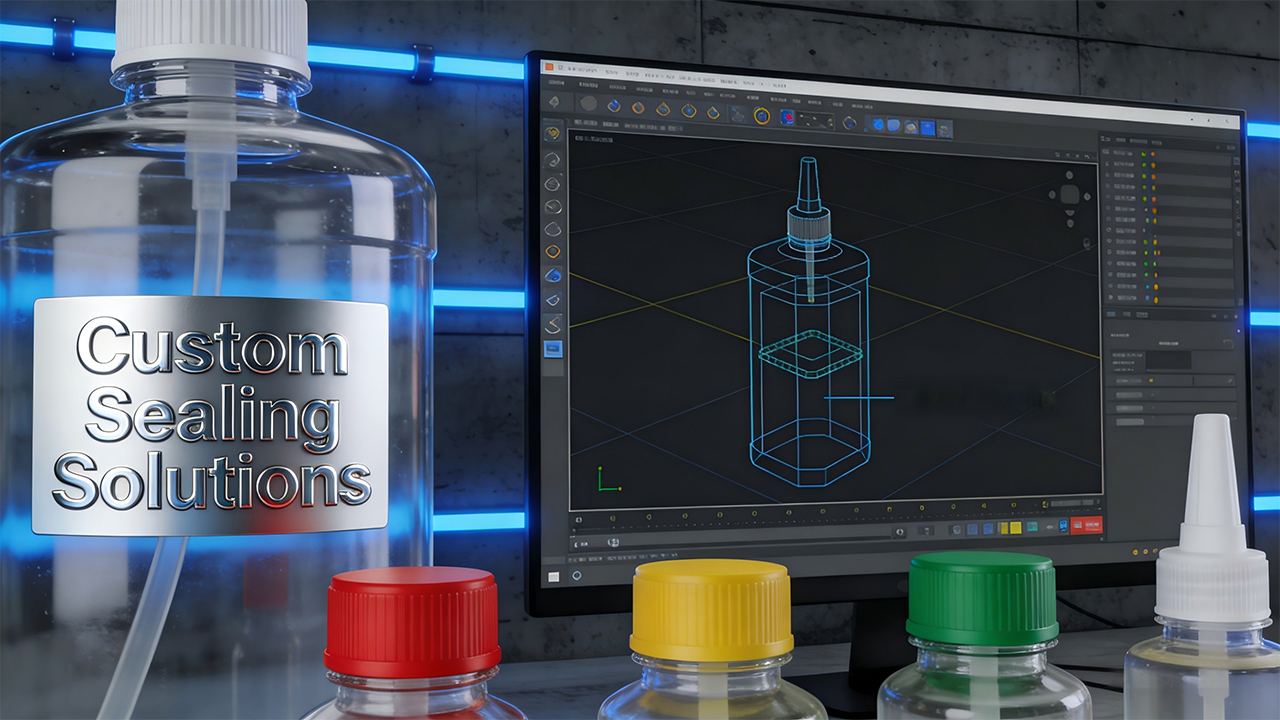
We provide flexible OEM manufacturing and custom product solutions tailored to your brand specifications and application needs.

We provide stable, high-volume production for established formulations, adhering to your quality standards and chemical specifications.

Our research team develops custom formulations to adjust curing speeds, tensile strengths, colors, and viscosity for your application.

We offer customized packaging options, including hard plastic tubes, aluminum sausages, large-volume pails, and squeeze tubes with custom labeling.

We support your brand launch with high-quality offset and screen printing, providing clear logos, instructions, and hazard listings.
We maintain inventory of our standard hybrid, PU, and acrylic formulations, enabling cost-effective white-labeling and rapid dispatch to global distribution hubs.
The adhesives industry is transitioning toward bio-based chemistry and circular materials. Jinfang is active in this space, running research initiatives focused on next-generation sealant performance:
Answers to common industry questions regarding the application, properties, and specifications of non-silicone sealing formulations.
MS Polymer (Modified Silane) sealants combine the weather resistance of silicones with the paintability and strength of polyurethanes. They do not contain free silicone oils, which prevents staining on porous materials like marble or precast concrete, and they do not release odor during curing.
Many MS polymer and acrylic formulations can be painted once a surface skin forms. For best results, we recommend waiting for a full cure (typically 24 hours depending on humidity) to prevent the paint film from cracking during joint movement.
These ratings refer to the DIN 4102 standard for fire behavior. B1 indicates a flame-retardant material that self-extinguishes when the flame source is removed. B2 indicates a normal combustibility level suitable for general draft-stopping and joint insulation.
Water-based acrylics are best suited for interior seams, trim, and low-movement joints. For exterior joints exposed to rain and high movement, we recommend our MS polymer or polyurethane sealants, which offer better water resistance and flexibility.
We assist with formulation adjustments, color matching, and custom packaging design (sausages, cartridges, or pails). Our team guides clients from packaging layout through to chemical compliance testing and international shipping.
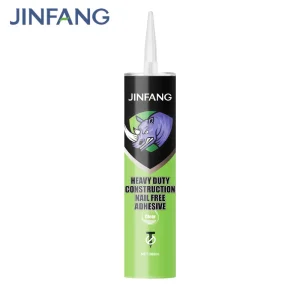
Browse our full line of construction adhesives, specialty tile grouts, and heavy-duty structural bonding agents.
 Jinfang