Explore our premium-grade structural sealants, polyurethane sprays, and fire-rated insulation foams engineered for extreme environmental durability.
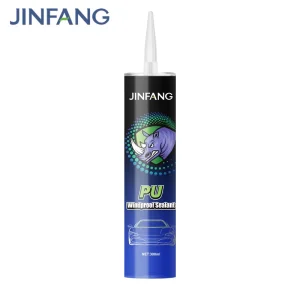
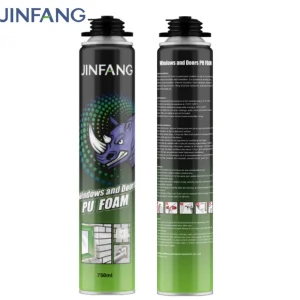
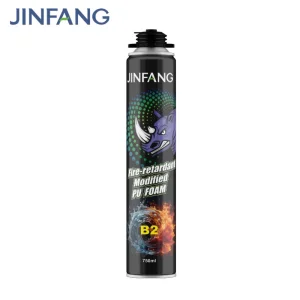
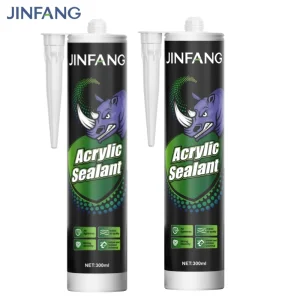
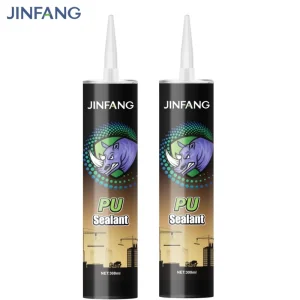
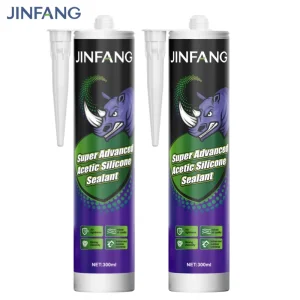
Strategically located in the heart of Shandong Province—a major industrial and chemical logistics hub in China—Shandong Jinfang Adhesive Industry Co., Ltd. is a leading enterprise specializing in the R&D, molecular engineering, and large-scale manufacturing of high-performance adhesives, polyurethane foams, and sealant products.
By leveraging deep academic and research partnerships with top-tier universities, including Shandong University, Xiamen University, and Linyi University, our dedicated R&D division continuously recruits elite material scientists to push the boundaries of chemical formulation.
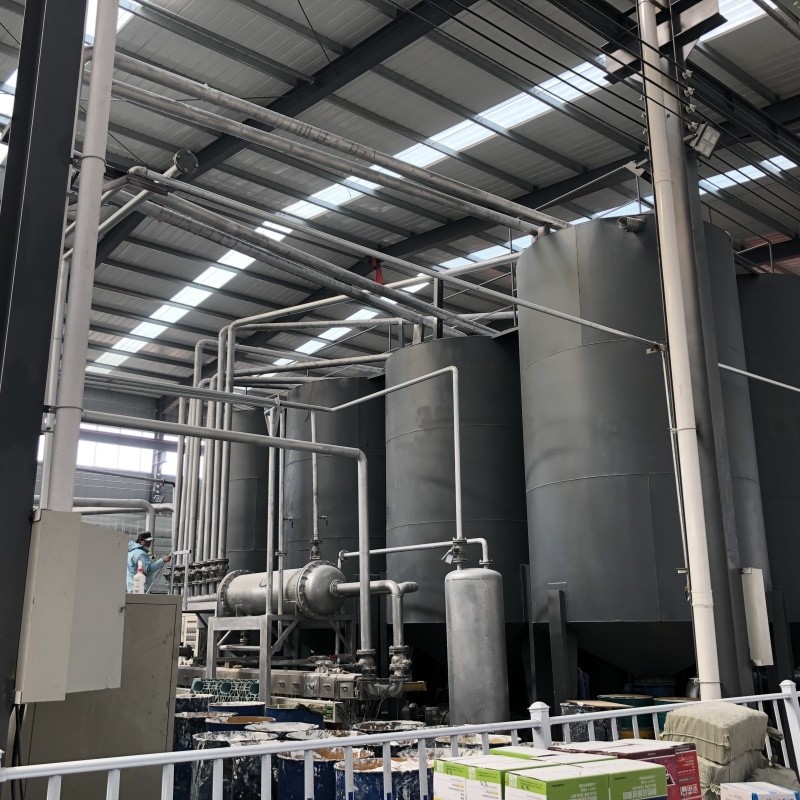
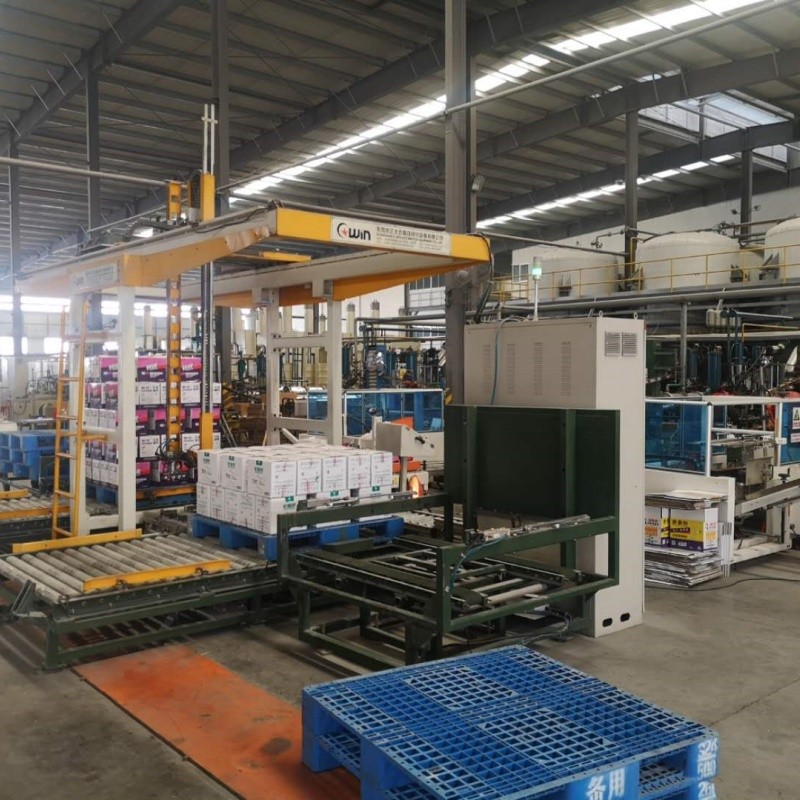
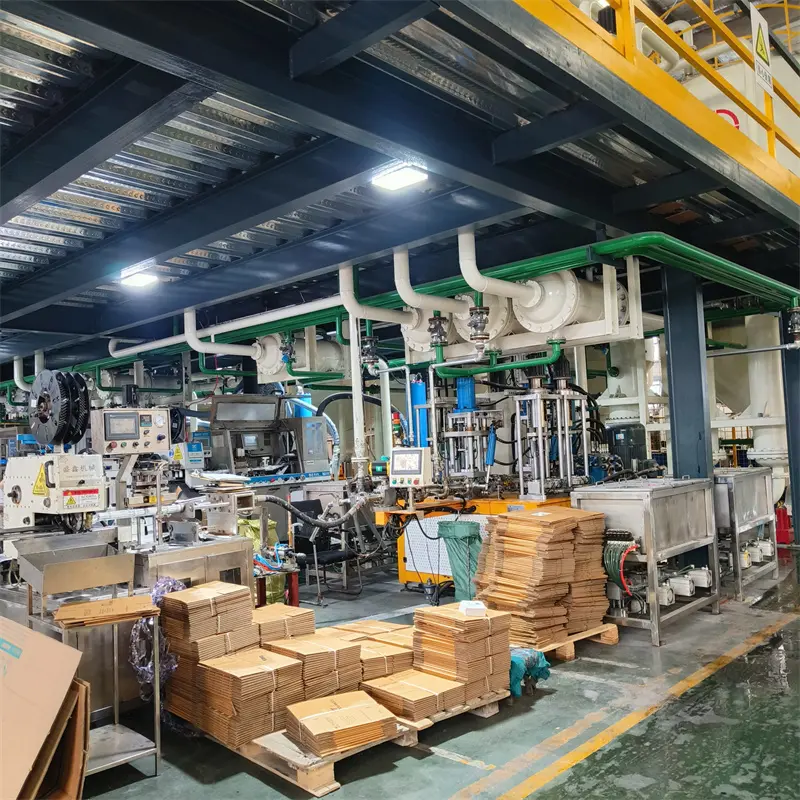
Our fully automated manufacturing ecosystem integrates precise raw material synthesis, advanced polymer modification, high-pressure injection molding, and intelligent packaging control. Verified by international standards like ISO 9001, ISO 14001, and the EU IROS, we guarantee absolute quality control from feedstock to shipment.

An in-depth analysis of the current market trajectory, application growth, and global trade demands for high-performance PU spray systems.
Discover the core technological paradigm shifts driving next-generation polyurethanes toward carbon-neutral chemistry and enhanced fire resistance.
The regulatory phase-out of hydrofluorocarbons (HFCs) under the Kigali Amendment has driven formulation R&D toward Hydrofluoroolefins (HFOs). Next-generation HFOs reduce global warming potential (GWP) close to zero, ensuring project compliance with green building standards like LEED and BREEAM.
To reduce reliance on petrochemicals, manufacturers are incorporating bio-polyols derived from agricultural byproducts like soy, castor, and recycled PET bottle streams. This reduces the carbon footprint of foam prepolymers without compromising cross-linking density.
Modern construction codes mandate high flame resistance. Incorporating reactive phosphorus-based, halogen-free flame retardants allows PU foams to form a dense, protective char layer under heat, restricting oxygen transfer and mitigating structural failure during fire incidents.
Discover how Jinfang formulations adapt to severe climatic loads, dynamic joints, and rigorous industrial demands.
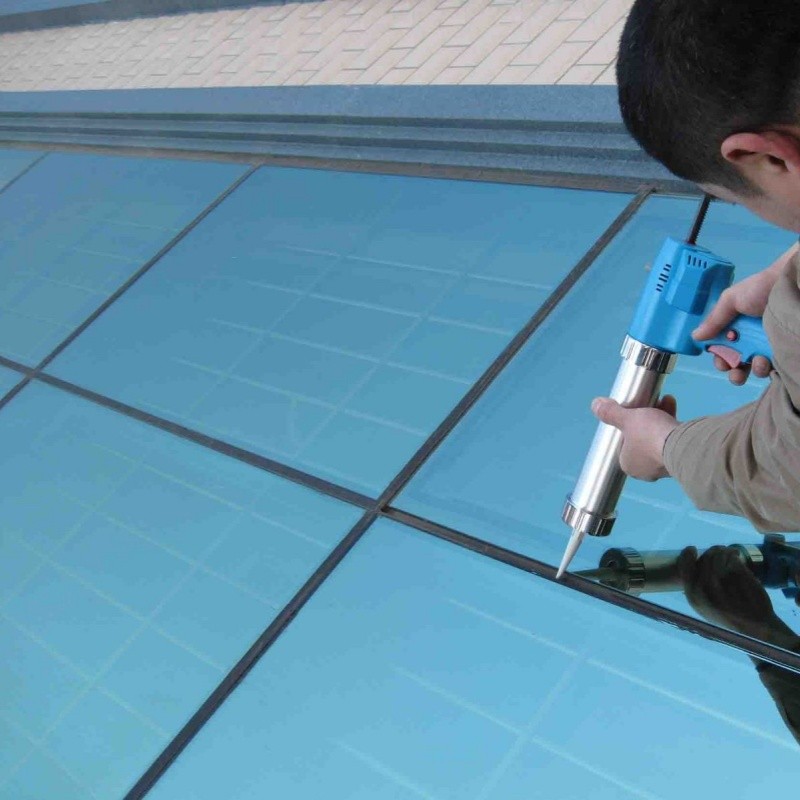
In modern commercial construction, curtain walls and window-to-wall interfaces represent critical failure points for both thermal leakage and moisture ingress. Our specialized one-component PU foams and high-modulus MS polymers are engineered to expand uniformly, filling micro-voids and irregular masonry shapes. This formulation yields an air-impermeable seal that withstands high wind loads and building movement without cracking.
Within the automotive manufacturing sector, controlling Noise, Vibration, and Harshness (NVH) is essential for passenger comfort and structural durability. Shandong Jinfang's polyurethane formulations provide targeted solutions for cavity filling, underbody dampening, and panel bonding. The cured polymer exhibits high viscoelasticity, converting mechanical vibrations into low-grade thermal energy and enhancing the structural safety of the vehicle chassis.
Civil engineering projects, including airport runways, bridge decks, and industrial warehouse slabs, require joint sealants that accommodate continuous expansion and contraction cycles. Our polyurethane and modified silane formulations deliver high movement capability (up to ±50% fatigue limits). They exhibit exceptional chemical resistance against de-icing salts, fuel spills, and heavy mechanical shear, preventing sub-base erosion.
Maintaining thermal continuity in cold storage facilities requires sealants that perform at temperatures as low as -40°C. Our low-temperature curing polyurethane foams prevent thermal bypass and ice formation along joint lines. Safe for indirect food contact, these formulations help operators meet strict global hygiene and cold chain efficiency standards.
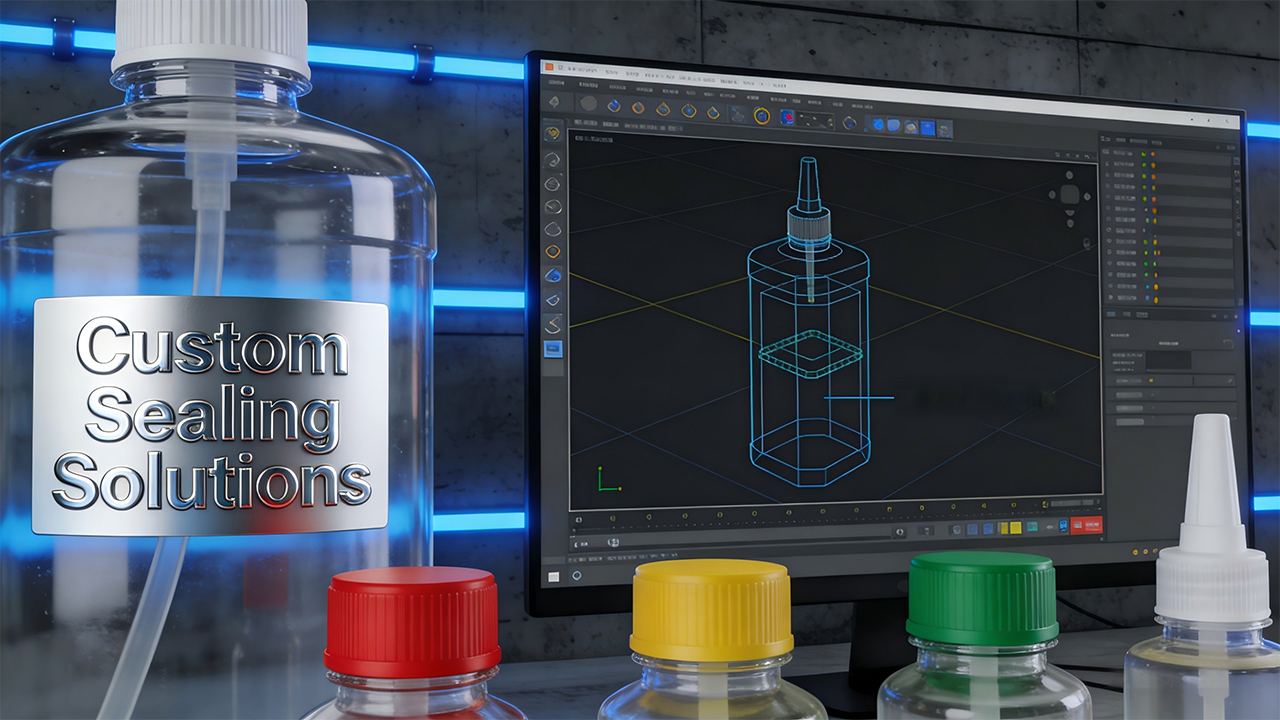
Tailored chemical properties, customized branding, and versatile packaging solutions engineered to meet localized market demands.
Shandong Jinfang Adhesive Industry Co., Ltd. provides robust OEM and customization services for our global partners. Understanding that project specifications, regulatory compliance, and packaging requirements vary by country, we work closely with clients to deliver tailored chemical formulations and private-label products.
Our specialized chemistry labs adjust parameters such as curing speed, viscosity, density, expansion ratios, and fire classification to optimize product performance for specific climates and applications. Whether you need materials tailored for tropical humidity or high-altitude cold zones, our engineering team ensures consistent quality.
We translate client formulations and specifications into high-quality, scalable product lines, manufactured under strict quality standards and delivered on schedule.
We support private label brands with comprehensive market analysis, regulatory documentation, and custom formulations designed to capture regional market share.
We adjust polymer crosslinking, expansion profiles, skin-over times, and pigments to match regional preferences and varying project needs.
Our packaging line supports diverse options, including sausages, rigid tubes, cartridges, large-volume pails, and convenient aerosol cans.
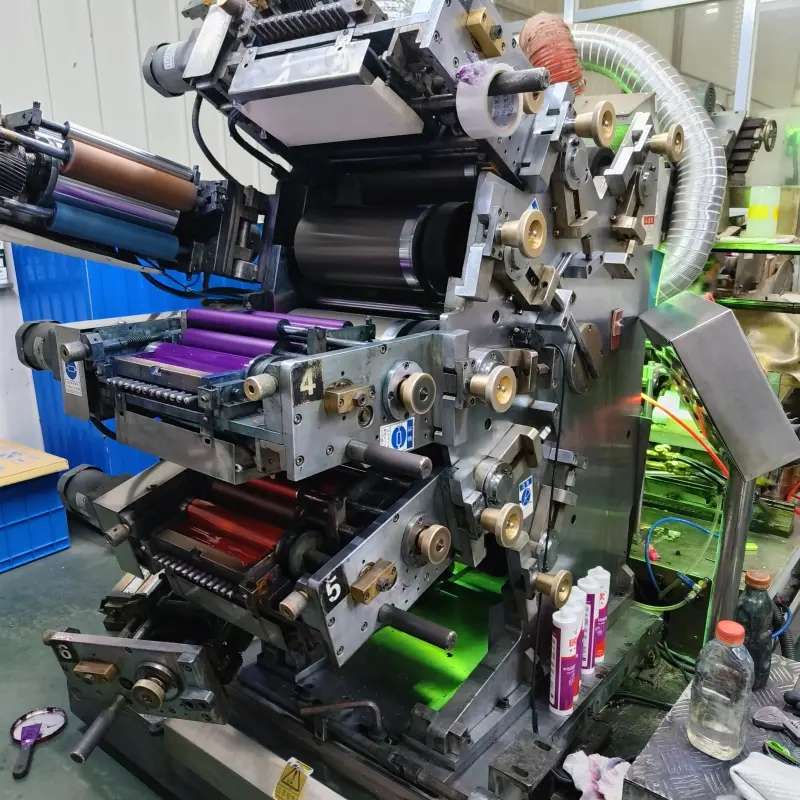
We offer offset and high-definition screen printing on aluminum, plastic, and composite tubes, ensuring clear product branding, usage instructions, and safety warnings.
A strategic blueprint detailing our R&D path toward smart-curing, higher crosslinking density, and bio-based polymeric structural systems.
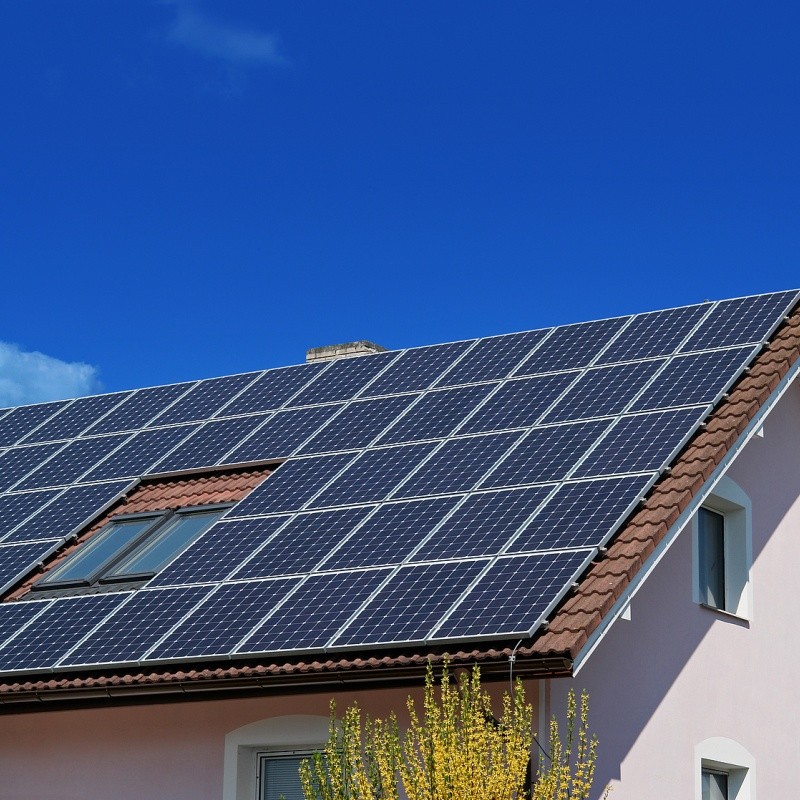
A visual representation of our products performing in real-world environments, from high-load glazing to structural insulation.


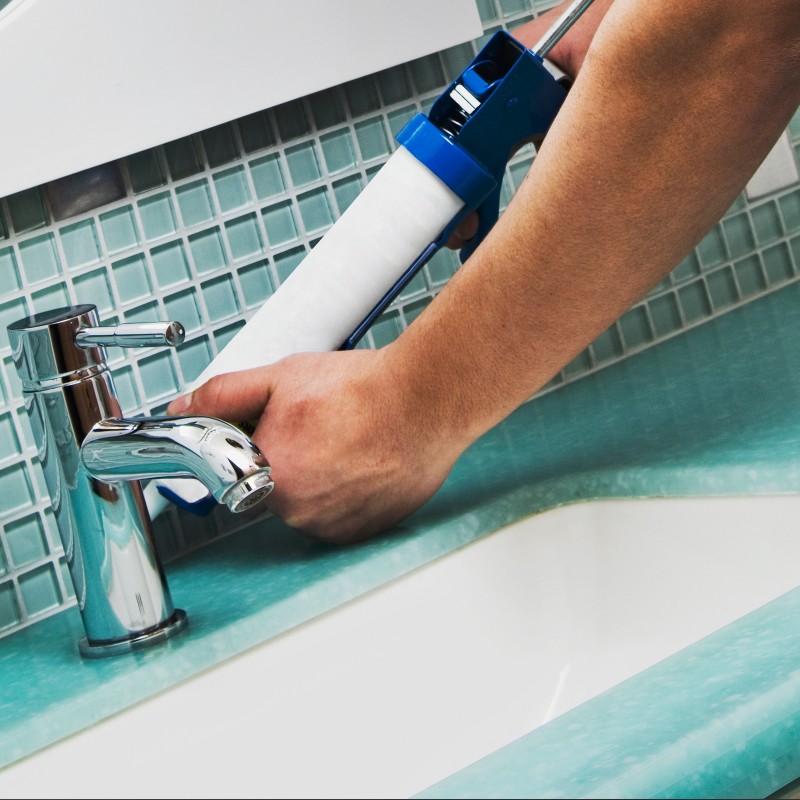

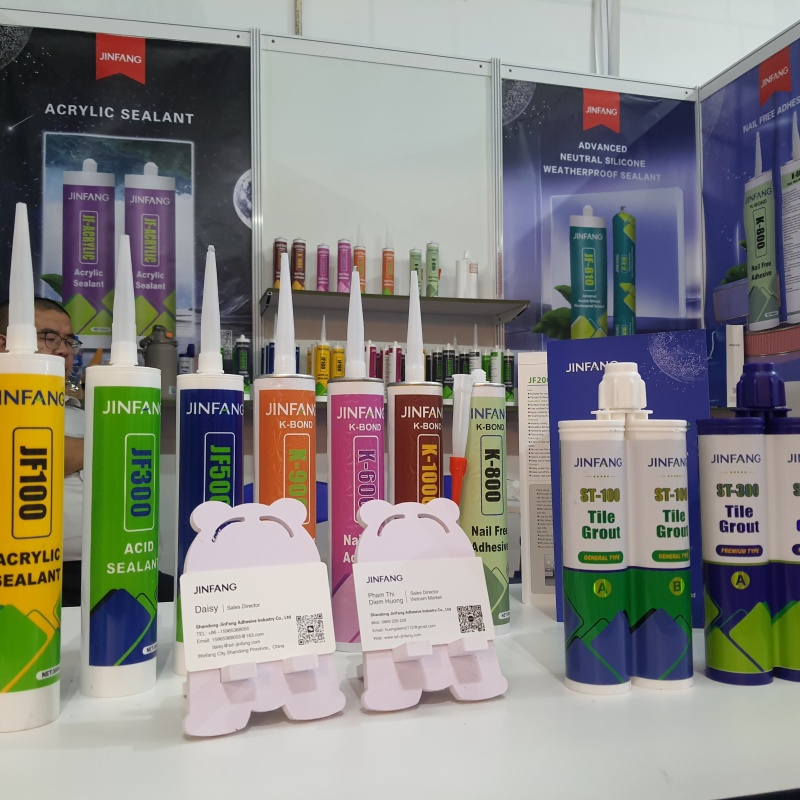
A comprehensive portfolio engineered to meet the strict demands of construction, industrial assembly, and automotive applications.
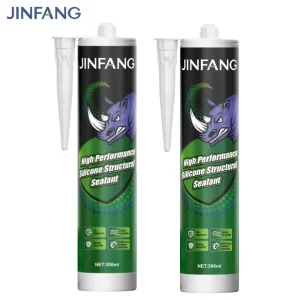
Formulated for joint sealing and structural bonding in building facades, concrete runways, and automotive assembly lines, offering high elasticity and tear strength.
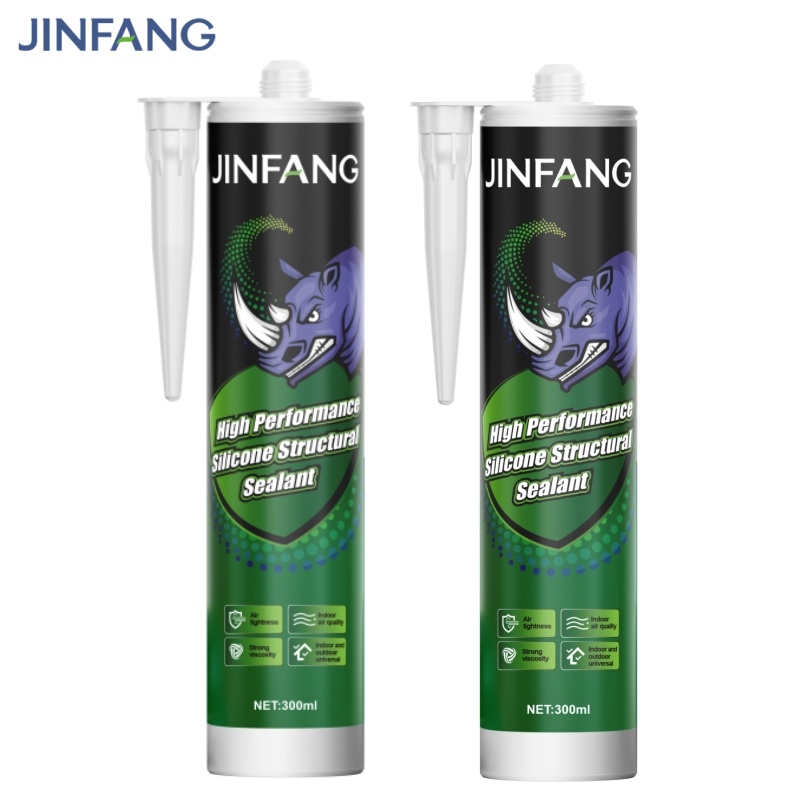
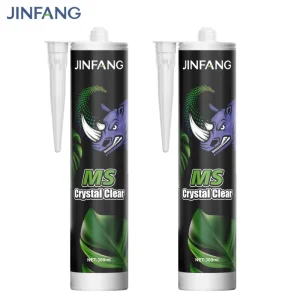
Isocyanate-free formulations that combine the weatherability of silicones with the high strength of polyurethanes, providing excellent paintability and non-staining performance.
Water-based and solvent-free nail-free glues and tile grouts engineered for indoor applications, minimizing VOC emissions while delivering high green strength and rapid cure.
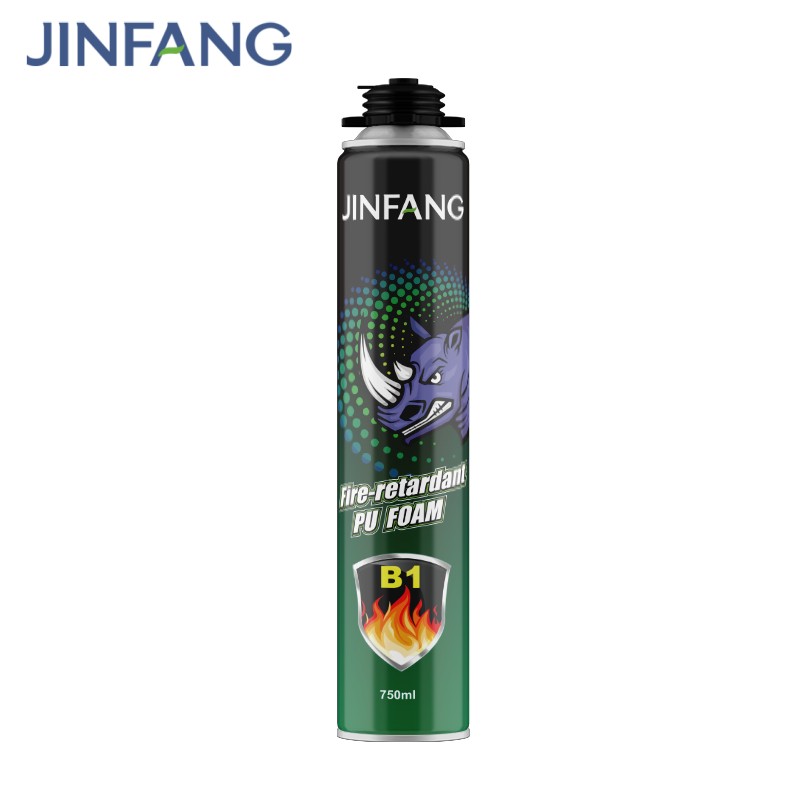
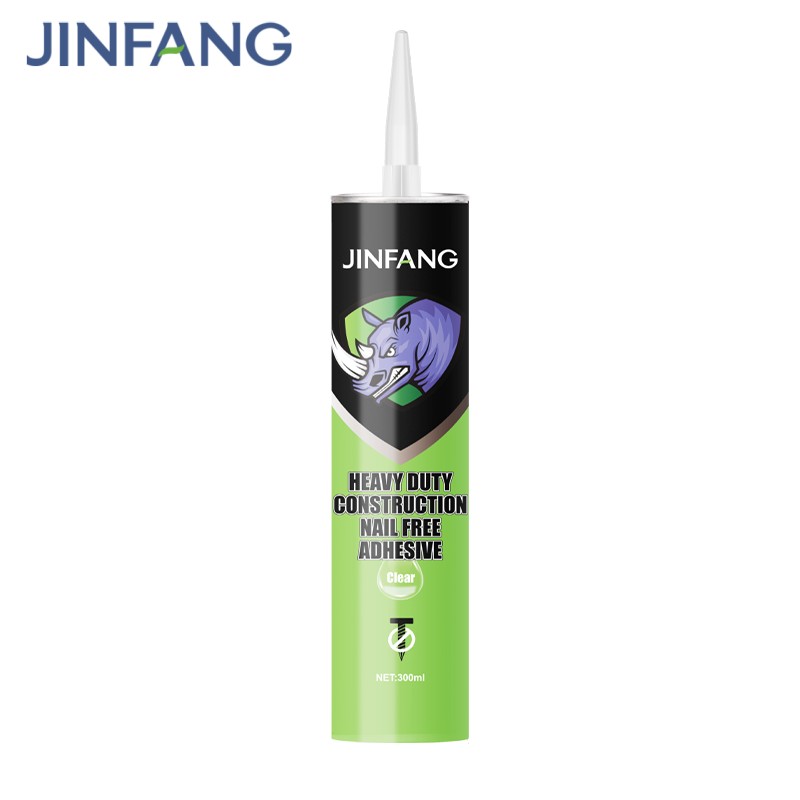
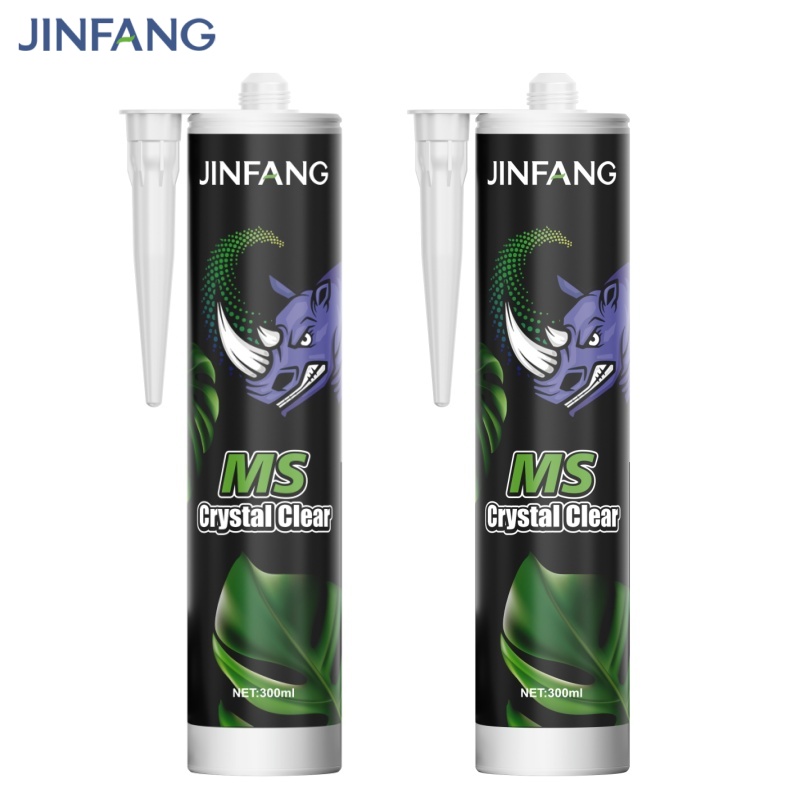
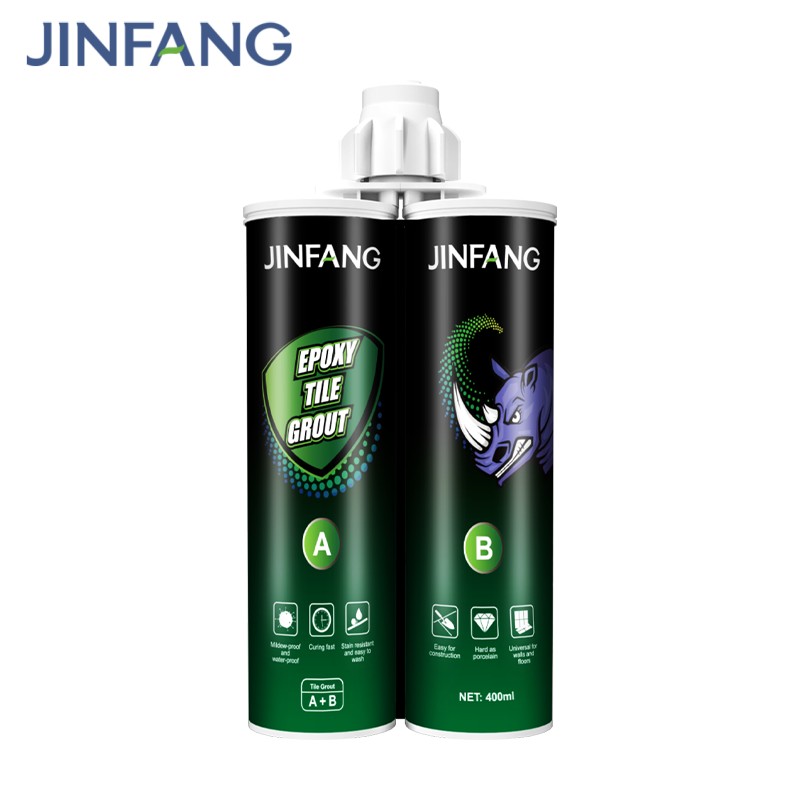
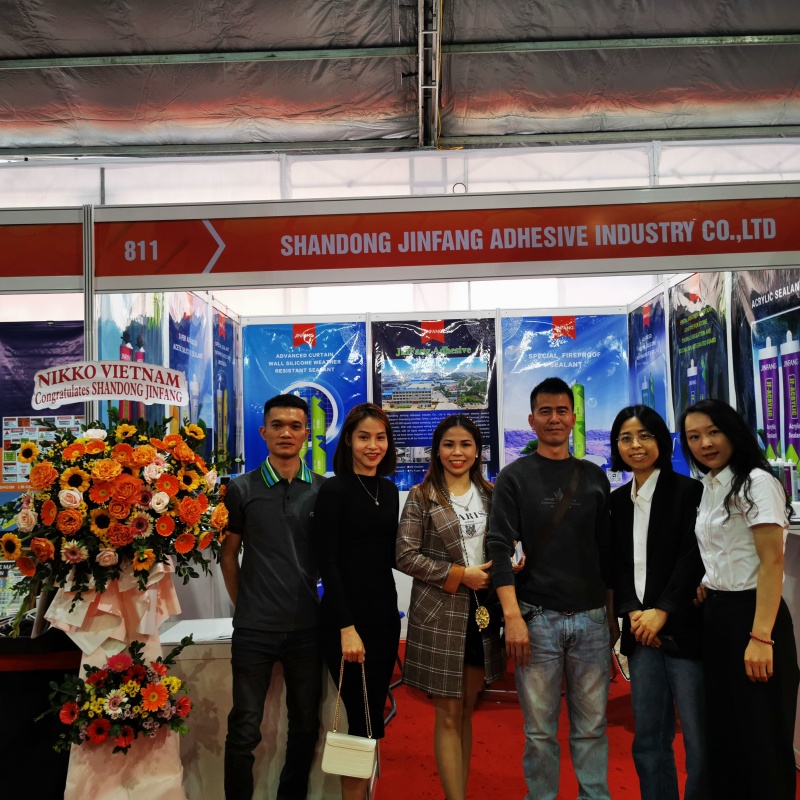
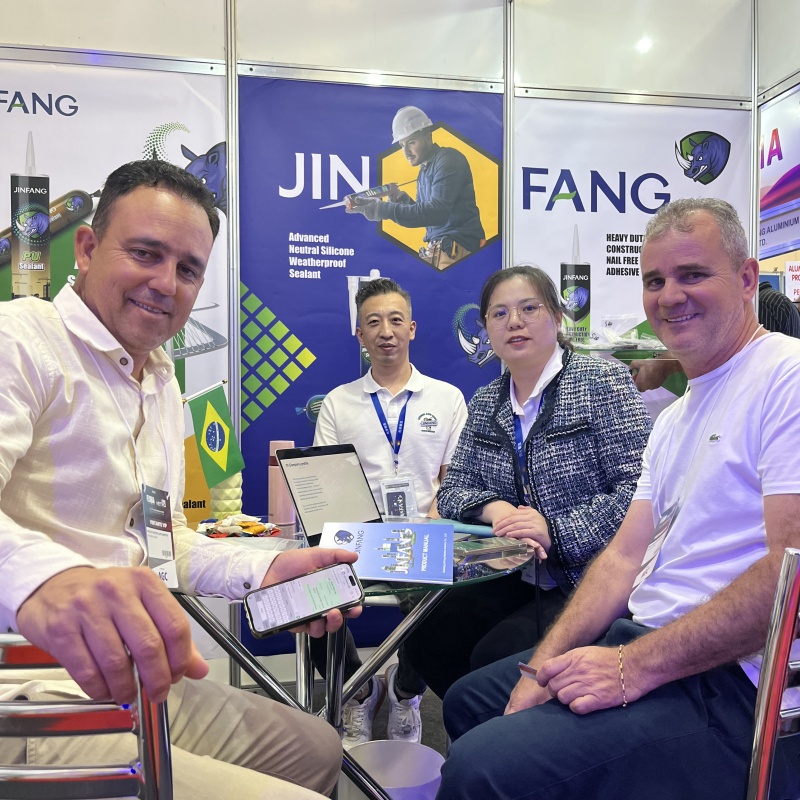
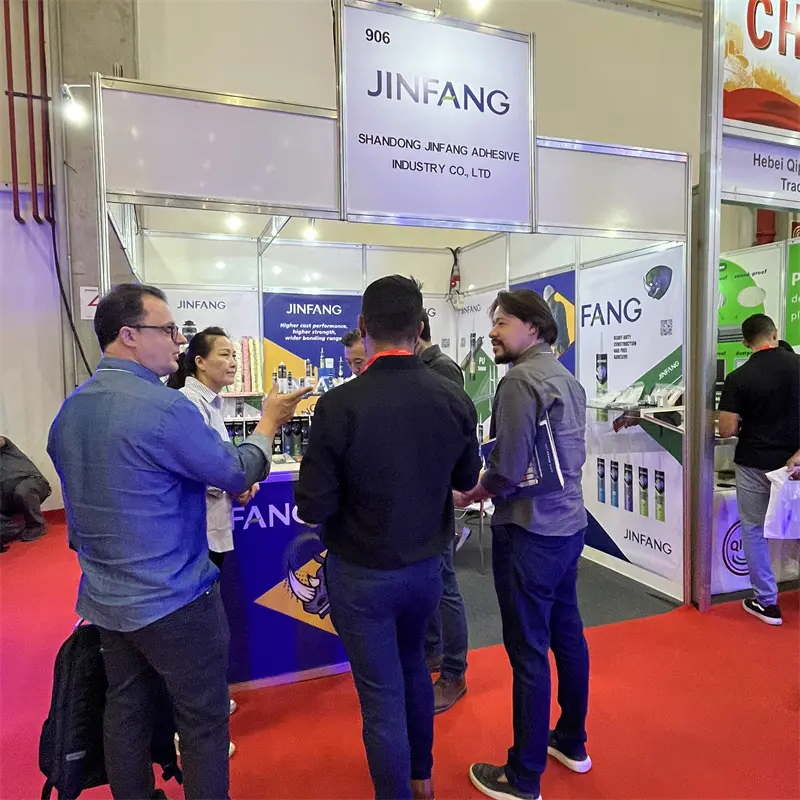
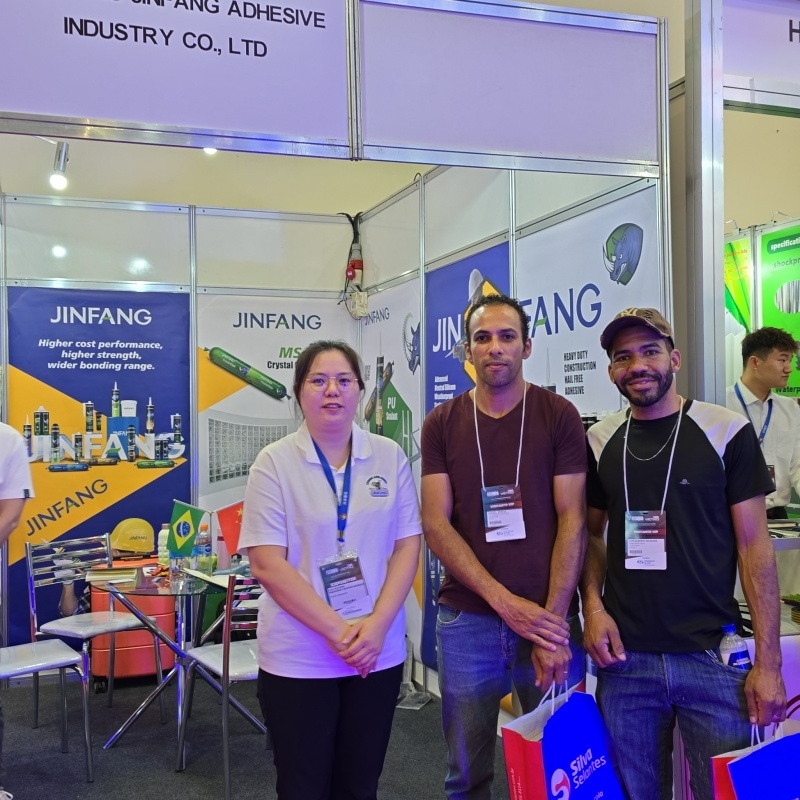
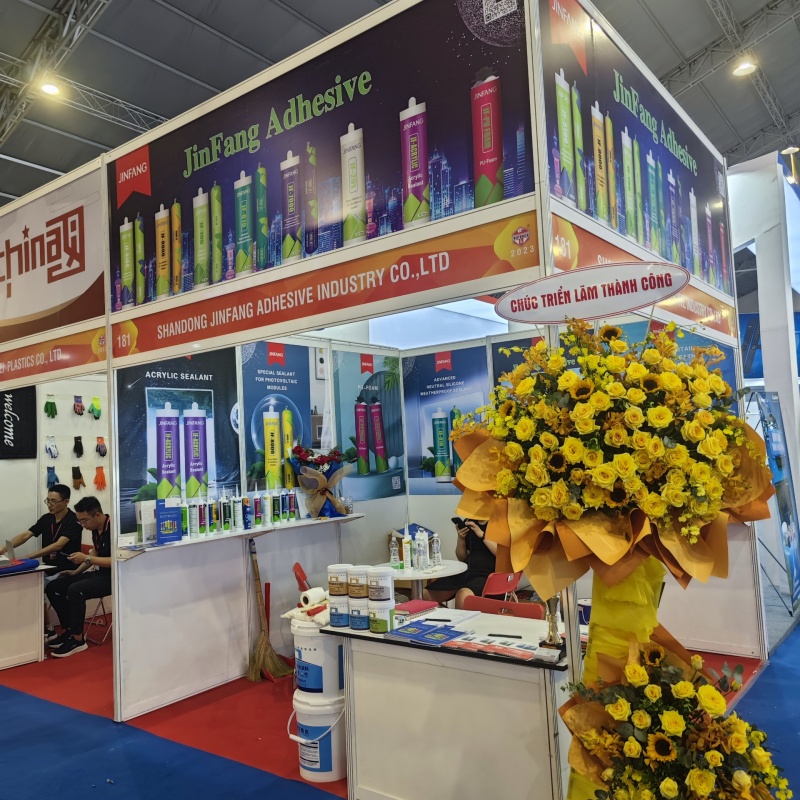
Delivering high-performance adhesive solutions to industrial partners and distributors worldwide.
Direct responses to critical questions from chemical engineers, project specifiers, and procurement managers regarding polyurethane formulations.
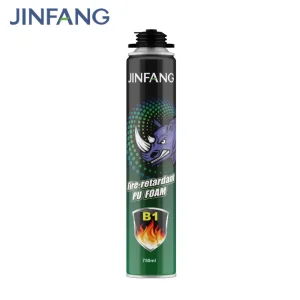
The designations correspond to European fire testing standard DIN 4102 and EN 13501-1. Class B1 indicates a fire-retardant material that is self-extinguishing after the heat source is removed, producing minimal heat release. Class B2 represents a normally flammable material that resists ignition from a small flame for a specified duration, slowing the spread of fire compared to standard uncategorized foams.
One-component polyurethane foams rely on ambient relative humidity (RH) to trigger polymerization. The moisture reacts with the free isocyanate groups in the prepolymer, forming urea linkages and releasing carbon dioxide, which further expands the foam. Under low humidity conditions (below 40% RH), the curing rate slows, which can lead to cell collapse or post-expansion shrinkage. Pre-damping the substrate helps ensure uniform cell development.
Polyurethane chemistry is susceptible to ultraviolet (UV) radiation, which breaks down the polymer chains, leading to discoloration, brittleness, and eventual loss of mechanical properties. To prevent UV degradation, cured polyurethane foam spray must be covered with an elastomer coating, UV-resistant paint, or mechanical cladding within a few days of application.
For moisture-curing polyurethane prepolymers, canisters must be stored upright in dry environments between +5°C and +25°C. High-performance prepolymer formulations typically maintain a stable shelf life of 12 to 18 months. Exposure to temperatures above +50°C can trigger premature polymerization inside the container, rendering the prepolymer unusable.
Explore our complete inventory of industrial-grade silicone, polyurethane, and modified silane products manufactured for global construction standards.
 Jinfang