Explore our foundational range of heavy-duty adhesives, MS sealants, and acrylic barrier coatings engineered for global weather conditions.
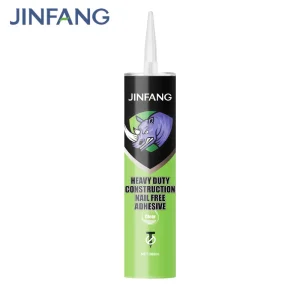
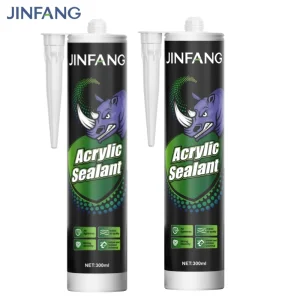
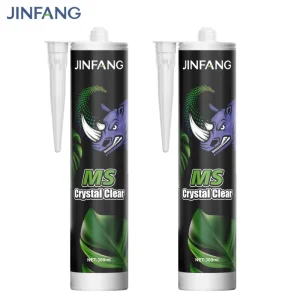
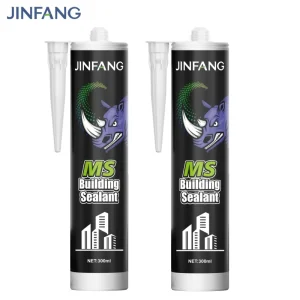
Strategically situated in the heart of Shandong Province—a core national industrial and petrochemical hub in China—Shandong Jinfang Adhesive Industry Co., Ltd. stands as an established manufacturer specializing in the research, development, and mass production of high-performance adhesives, expanding polyurethanes, and chemical sealing products.
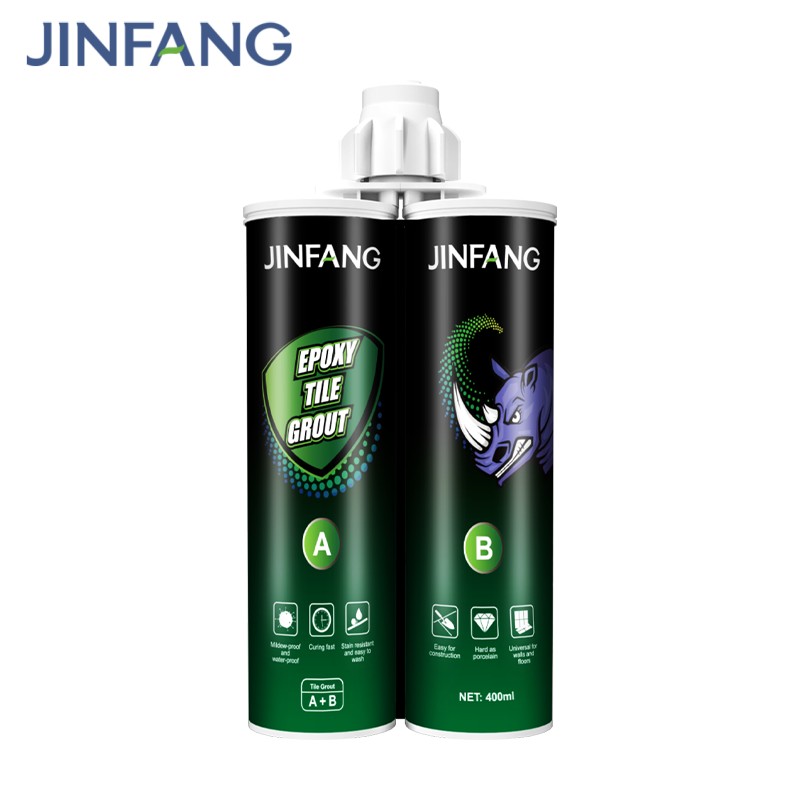
Backed by strict technological innovation, Jinfang has built a massive industrial portfolio, including Silicone Sealants, Polyurethane (PU) Foam Sealants, Modified Silane (MS) Polymer Sealants, Nail-Free Grab Adhesives, Ceramic Epoxy Tile Grouts, and PU Structural Sealants. We serve critical segments in high-demand construction systems, automotive glass bonding, industrial thermal barrier filling, and sustainable building wraps.

Explore the precise chemical formulas, prepolymer ratios, and engineering specs that drive the thermal and acoustic performance of Jinfang PU Foams.
Our formulation leverages a high-molecular-weight blend of polymeric Methylene Diphenyl Diisocyanate (MDI) and tailored polyether polyols. This ensures a consistent polymerization rate, yielding uniform closed-cell structures (>80% closed cells) for optimized thermal resistance.
Fully compliant with EN 13501-1 and DIN 4102-1 flammability tests, our fire-retardant PU foam formulations incorporate non-halogenated flame retardants, helping modern buildings limit flame spread and suppress toxic smoke generation under extreme heat.
By absorbing structural vibration within window and door frames, the dense cell geometry achieves a superior Sound Transmission Class (STC) rating, dramatically reducing external environmental noise transmission in multi-story constructions.
Operating from our integrated manufacturing plant in Shandong, Shandong Jinfang Adhesive Industry Co., Ltd. utilizes automated high-pressure filling systems, inline quality monitoring, and precision packaging machinery. By linking university research from Shandong University, Xiamen University, and Linyi University, our dedicated technical team has optimized both raw material yields and curing performance.
This localized supply chain integration allows us to offer remarkable price-to-performance efficiency without sacrificing critical chemical quality standards. From receiving raw bulk isocyanates and polyols to filling, labeling, and palletizing, the entire manufacturing sequence is monitored to maintain chemical consistency and ensure a longer shelf life.
As a global supply partner, we maintain extensive reserves of packaging materials, valves, and chemical propellants, insulating our global distributors and corporate buyers from unforeseen raw material shortages or supply chain bottlenecks.
From critical infrastructural joint gaps to high-performance automobile assembly, our products provide airtight sealing under extreme environmental conditions.
Provides seamless structural insulation, airtightness, and moisture control around window frames, external doors, and cladding panels. Minimizes thermal bridging to help meet global green building standards.
Engineered for automotive repair, glass bonding, and body sealing, Jinfang polyurethane sealants deliver high vibration damping and joint strength, improving vehicle safety and NVH values.
Highly flexible polyurethane formulations designed to accommodate continuous expansion and contraction in concrete driveways, structural walls, airport runways, and architectural facades.
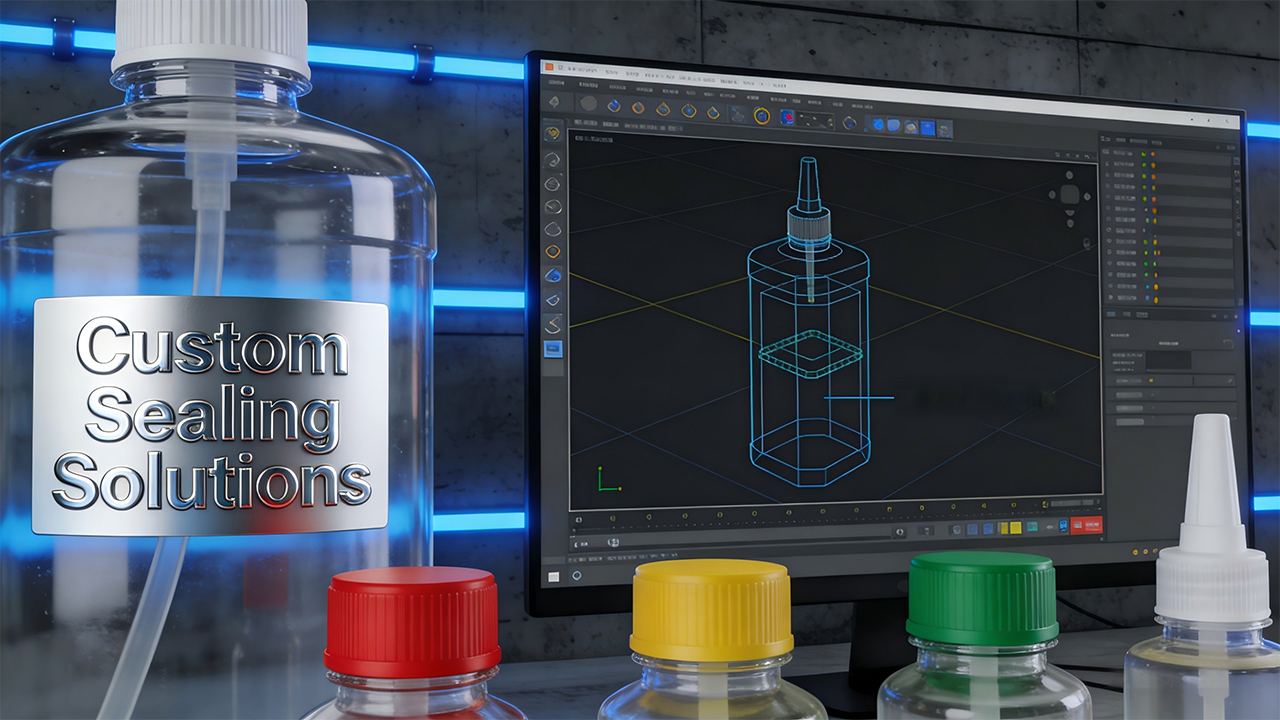
From custom chemical formulations to private labeling and bespoke commercial packaging, we convert raw ideas into market-ready, certified products.
Adjust expansion rate, curing speed, density, and tack-free times to align with specialized climate conditions or demanding commercial requirements.
We supply diverse formats: sausages, hard plastic cartridges, large metal drums, and aluminum tubes. Formats match your application and logistics systems.
Utilizing high-precision offset and screen printing, we translate your branding, technical directions, and safety graphics directly onto the canisters.
All customized products can be formatted to meet key international standard requirements, including CE, REACH, RoHS, VOC emission limits, and ISO certifications.
As green building metrics tighten worldwide, the polyurethane industry faces a critical transition toward environmentally responsible formulations. Shandong Jinfang is driving this development through concrete steps in chemical engineering and manufacturing:
Historically, PU foam aerosols relied on hydrofluorocarbons (HFCs) with high Global Warming Potential (GWP). Jinfang's technical team has transitioned toward hydrofluoroolefins (HFOs) and eco-friendly hydrocarbon systems (DME/LPG). These modern propellants reduce ozone depletion to zero and achieve near-zero GWP, complying with the EU F-Gas regulations and North American EPA rules.
To reduce dependence on petroleum resources, Jinfang's R&D team is developing next-generation polyurethane foams formulated with bio-derived polyols (synthesized from vegetable and castor oils). These sustainable polymers lower the carbon footprint of production while preserving the structural strength, curing density, and adhesion capacity of traditional formulations.
Addressing occupational health concerns in Europe and North America, our technical roadmap prioritizes ultra-low monomeric diisocyanate (MDI) formulations. By prepolymerizing free monomers, we produce PU foams with free MDI contents below 0.1% by weight. This eliminates the requirement for mandatory hazard warnings under REACH regulations and ensures a safer environment for contractors.
Importing chemical adhesives and pressurized cylinders requires strict adherence to customs, safety, and transportation regulations. Shandong Jinfang manages the documentation process to secure your supply chain.
Because pressurized aerosol cans are classified as UN 1950 Class 2.1 or 2.2 Dangerous Goods for sea transport, our shipping department provides certified MSDS (Material Safety Data Sheets), IMDG compliance reports, and container stuffing certificates. This ensures custom clearance runs smoothly at international ports.
For European distributors, we confirm registration compliance under the REACH regulation. For North American partners, our sealants are optimized to comply with regional VOC limits (including SCAQMD Rule 1168) and ASTM test parameters. Working with Jinfang means partnering with a supplier that understands international chemical safety standards.
Expert technical answers to common queries regarding formulation specifications, application parameters, shelf life, and procurement standards.
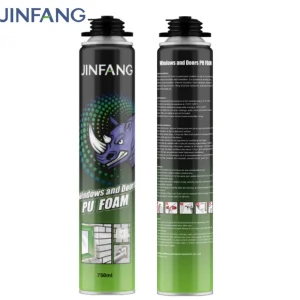
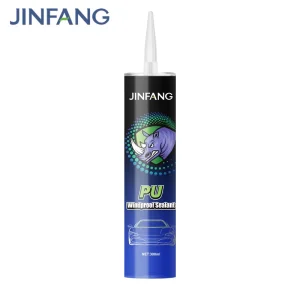
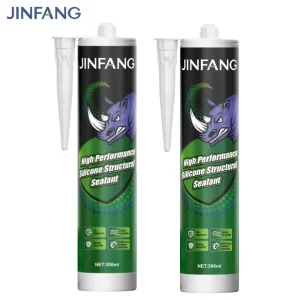
Explore our targeted selection of high-performance polyurethane foams, structural glazing silicones, and joint-filling sealants.
 Jinfang