Explore our industrial-grade architectural adhesives, tile grouts, and specialized automotive sealants developed for international durability standards.
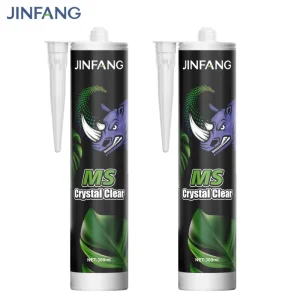
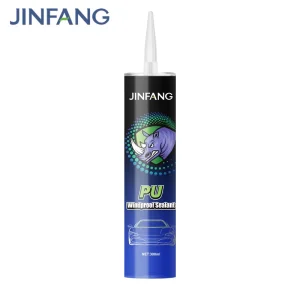
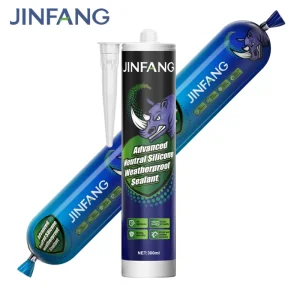
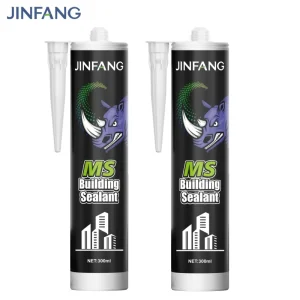
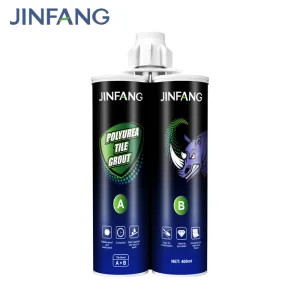
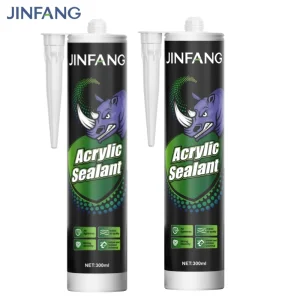
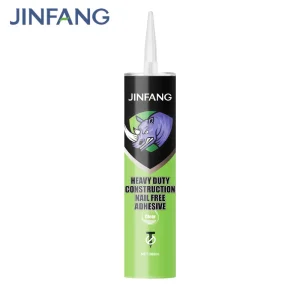
In modern civil engineering and architecture, the facade is no longer merely a separating envelope; it is a complex, active barrier system that manages energy transmission, structural stress, and aesthetic expression. High-performance structural glazing (SSG) systems have shifted the paradigm away from mechanical framing elements toward specialized chemical adhesion systems. White structural silicone sealants have emerged as the industry standard for securing high-performance glass facades, curtain wall configurations, and interior architectural elements where mechanical fasteners would disrupt clean aesthetic geometries and compromise thermal bridging parameters.
Globally, the market for structural silicone sealants is growing rapidly, driven by strict green building certifications (such as LEED and BREEAM) and regional regulations requiring high thermal efficiency. Architectural trends favor double-glazed, triple-glazed, and laminated glass pane configurations that increase overall dead weight. White structural silicone sealants offer a critical design advantage: they exhibit high solar reflectance, which reduces localized thermal stresses around the glass edge. This performance is vital in preventing glass breakage caused by uneven thermal expansion, especially in high-temperature zones and buildings with exposed structural silicone joints.

Unlike standard black formulas, white structural sealant absorbs significantly less solar radiation. This reduces thermal gradients at the glass edge, preventing thermal expansion cracks in high-performance facades.
Manufactured to meet the rigorous mechanical performance criteria specified by international standards for structural glazing. This ensures long-term safety under dynamic wind loads.
Formulated with premium silicone polymers that provide dynamic movement tolerance. This allows joints to accommodate wind shear, building settlement, and seismic activity.
High-performance structural silicone requires precise, predictable physical parameters to guarantee stability over a service life exceeding 25 years.
| Physical Property | Standard Reference | Typical Target Range (White Structural Grade) | Technical Significance |
|---|---|---|---|
| Tensile Adhesion Strength (100% elongation) | ASTM C1184 / ISO 8339 | 0.90 to 1.40 MPa | Ensures the cured elastomer carries dynamic wind load without tearing. |
| Elongation at Break | ASTM D412 | ≥ 250% | Reflects the elastic limit of the chemical matrix under extreme strain. |
| Shore A Hardness | ASTM C661 / ISO 868 | 38 – 45 Shore A | Balances structure support and flexibility; resists environmental abrasion. |
| Tack-Free Time | ASTM C679 | 30 – 60 minutes | Allows for proper positioning and tooling of glass elements during installation. |
| Specific Gravity (Density) | ASTM D1475 | 1.35 – 1.42 g/cm³ | Indicates proper filler loading (calcium carbonate/silica) for mechanical stability. |
| Joint Movement Capability | ASTM C719 | ±25% to ±50% | Determines the sealant's ability to compress and expand repeatedly without cohesive failure. |
To achieve these values, our R&D facility utilizes state-of-the-art organosilicon polymers coupled with optimized crosslinkers and adhesion promoters. The white formulation is stabilized with premium titanium dioxide (TiO₂), which provides high opacity and protects the polymer backbone from ultraviolet radiation. This ensures the sealant retains its structural integrity without yellowing, chalking, or degrading under intense UV exposure.
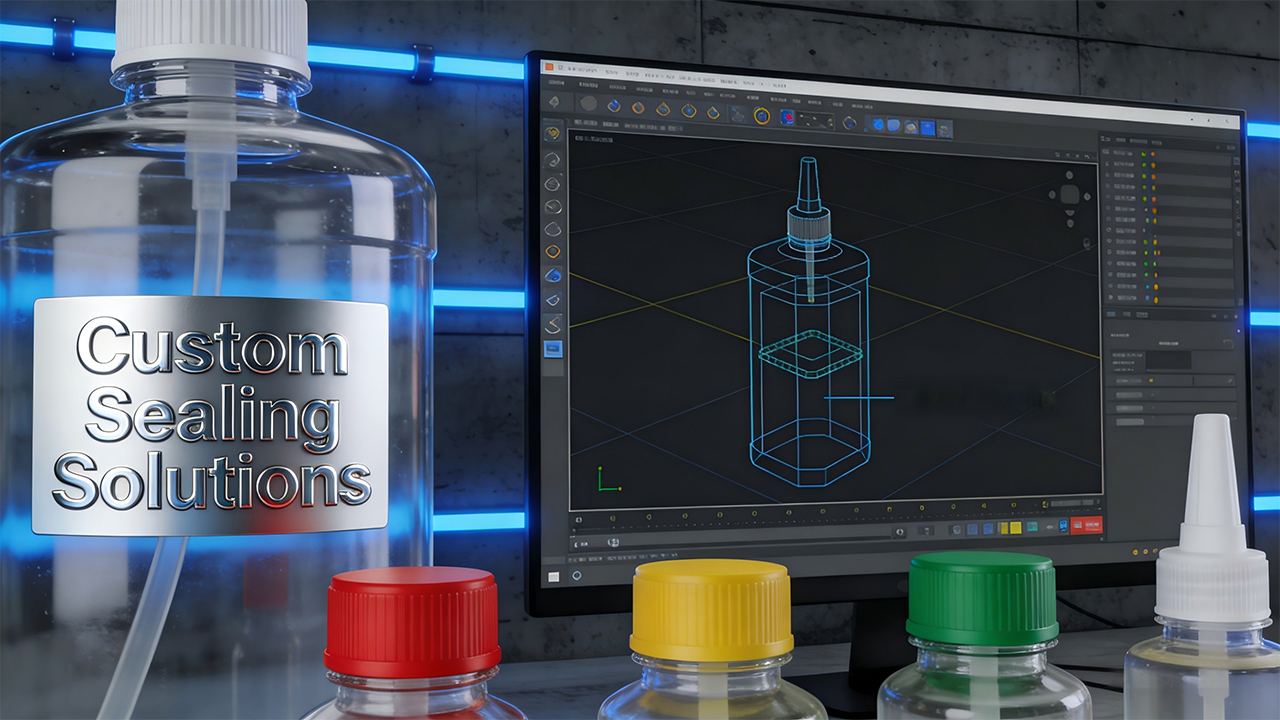
Understanding that different regions and architectural designs require specific material properties, Shandong Jinfang Adhesive Industry Co., Ltd. provides extensive OEM and custom formulation services. We tailor product characteristics to suit specific environments, from adjustably slow curing times for hot, tropical climates to cold-temperature extrusion properties for winter applications in Northern Europe and North America.
Our customization service goes beyond simple private-label packaging. We collaborate with structural engineers and facade designers to adapt the compound's rheology, ensuring excellent slump resistance in vertical joints, optimized tack-free windows for automated factory lines, and customized packaging options (including 300ml cartridges, 590ml sausages, and bulk drum packaging for robotic pumping systems).
Shandong Jinfang Adhesive Industry Co., Ltd. leverages Shandong Province's industrial infrastructure to maintain a secure and resilient supply chain. Our raw materials are sourced directly from nearby organosilicon manufacturing bases, insulating our operations from raw material shortages and volatile logistics costs. By integrating raw material sourcing, automated polymer synthesis, and packaging production at one site, we guarantee consistent quality and a 15-day average shipment lead time.
Architectural projects operate under diverse climatic stress profiles. Our white structural silicone sealant is formulated to perform in extreme environments worldwide.
High relative humidity and elevated temperatures accelerate the curing of standard structural sealants, which can lead to application defects. Our localized formulas for tropical regions feature controlled crosslinker activity to ensure adequate tooling time in hot climates, along with enhanced fungicide additives to prevent mold growth under high humidity.
Desert environments subject facades to high UV exposure and wide diurnal temperature swings. Our white structural silicone utilizes high-purity inorganic white pigments that reflect solar radiation, maintaining stable joint temperatures and preventing polymer chain cleavage under intense UV.
For coastal projects in hurricane regions or seismic fault zones, structural joints must accommodate rapid dynamic loads. The high elastic recovery (≥ 90%) of our silicone polymer matrix ensures the sealant absorbs dynamic energy and returns to its original dimensions without permanent deformation.
Our commitment to sustainable engineering drives our ongoing research into next-generation bonding technologies.
Replacing fossil-derived silicon polymers with bio-based silane alternatives to minimize carbon footprint without compromising mechanical performance.
Eliminating volatile organic solvents to meet the strict requirements of green building initiatives and optimize indoor air quality.
Developing sealants with micro-indicators that signal structural stress or fatigue, enabling proactive maintenance of building facades.
Formulating polymers that allow for clean separation during demolition, supporting circular recycling of glass and aluminum substrates.
Structural sealant glazing systems are critical safety components. A cohesive failure of a structural joint can lead to facade failure. To prevent this, Shandong Jinfang enforces a strict quality control system, starting from raw material inspections to post-delivery compatibility testing. Every batch of white structural silicone sealant undergoes extrusion, slump, and peel adhesion tests on project-specific substrates before shipping.
To ensure chemical compatibility, our laboratories offer comprehensive testing services for curtain wall components, including EPDM/silicone gaskets, glass spacer bars, setting blocks, and laminated glass interlayers. Incompatible materials can cause plasticizer migration, leading to discolored sealant joints or loss of adhesion. By running compatibility tests in our climate chambers, we provide certified project approval reports, ensuring long-term adhesion and structural safety.
Testing Operations Protocol
|
Answers to technical questions regarding white structural silicone sealant selection, application, and certification.
Weatherproofing silicone sealants are designed to accommodate movement (expansion and contraction) at joint interfaces, focusing on elongation and weather sealing. Structural silicone sealants, by contrast, are structural adhesives that transfer dynamic wind loads and gravity loads from the glass pane to the building frame. They require significantly higher tensile strength, shear resistance, and cohesive tear resistance compared to weatherproofing sealants.
White structural silicone is chosen primarily for aesthetic integration with light-colored granite, glass, or aluminum facades, as well as to minimize heat absorption. Our white formulas are enriched with high-grade titanium dioxide (TiO₂), which acts as a powerful UV blocker. This ensures the sealant matches the UV performance of carbon-black formulations while keeping the sealant joint cooler under direct sunlight.
We perform compatibility tests according to ASTM C1087 standards. Representative samples of the glass, spacer bars, setting blocks, and gaskets are placed in direct contact with our white sealant and exposed to high-intensity UV light. After the test cycle, the interfaces are inspected for color change, adhesion loss, or liquid exudation to confirm chemical compatibility.
Our structural sealants are manufactured under ISO 9001 and ISO 14001 management systems. They comply with ASTM C1184 (US), ETAG 002 (EU), and GB 16776 (China) specifications for structural sealant glazing systems, which is supported by testing certificates from international laboratory bodies.
The structural bite width must be calculated based on wind load, pane size, and the design stress of the sealant (typically 0.14 MPa for dynamic loads). The standard formula is: Bite Width = (Wind Load × Short Side of Glass Pane) / (2 × Design Adhesion Stress). Joint thickness should be designed to allow for convenient sealant injection and accommodate joint movement, typically matching or exceeding the bite width but not less than 6mm.
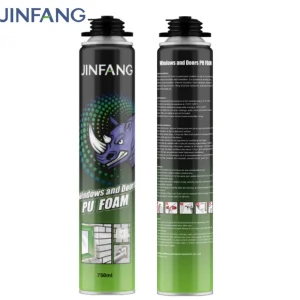
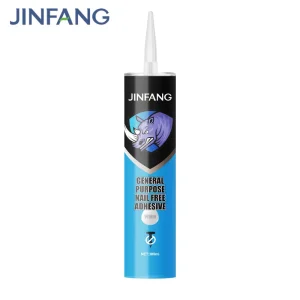
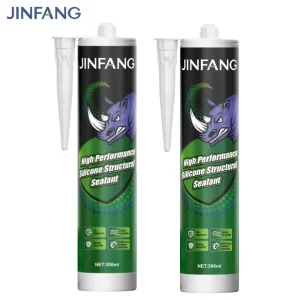
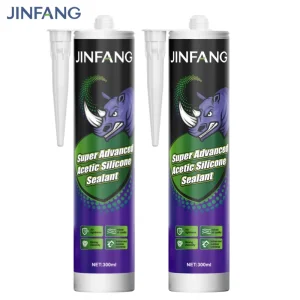
Explore our range of insulation foams, montage adhesives, and specialty structural caulks for industrial and residential applications.
 Jinfang